Table of Contents
The performance of packing materials is greatly impacted by permeability, which also affects the quality and shelf life of confined goods. Discover how manufacturers can now fine-tune barrier qualities thanks to permeability control masterbatch technology, which is revolutionizing the packaging sector. investigates the benefits and makeup of these masterbatches, which enable the modification of moisture and air barrier properties. They stress how crucial it is for companies looking to meet customer demand for higher-quality products and enhance packaging solutions to comprehend these developments.
The Science of Permeability: How Gases and Vapors Interact with Packaging Materials
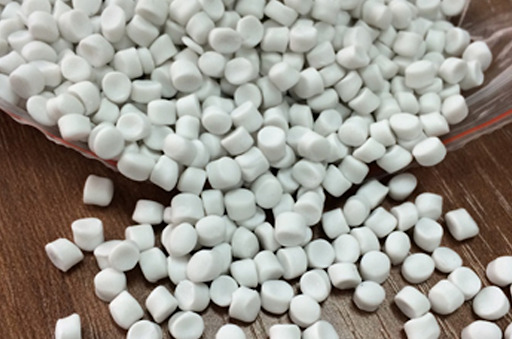
Based on research, the interaction of gases and vapors with packaging materials is a complex process that largely influences the shelf-life and quality of packaged products. Factors such as temperature, humidity, and the chemical structure of both the packaging and the permeating substances contribute to this dynamic. For instance, oxygen permeability can significantly affect food degradation, while moisture absorption may lead to spoilage in pharmaceuticals. Understanding these interactions helps manufacturers optimize their material choices to enhance the performance of their packaging solutions.
- Defining Permeability and Its Measurement
The permeability of gases in polymers is a structural characteristic that arises from the material’s absorption of fluids and the subsequent diffusion of these products through the polymer matrix. There are several industrial applications for a gas’s ability to move through materials more quickly. Permeability refers to the ability of a material to allow gases or vapors to pass through it.
Measurement is typically conducted using standardized tests that evaluate the transmission rate of specific gases (such as oxygen or carbon dioxide) under controlled conditions. These assessments provide valuable data for selecting suitable packaging materials, as permeability is influenced by factors like thickness, material composition, and environmental conditions.
- The Role of Barrier Properties in Packaging Performance
Barrier properties are crucial in determining how well packaging protects its contents from external factors. These properties help maintain product integrity by reducing the risk of spoilage caused by gas exchange, moisture gain, or loss of volatile compounds. For example, flexible films used in food packaging often integrate multi-layer structures that are engineered for optimal barrier performance, resulting in an extended shelf life. This leads to higher consumer satisfaction and reduced waste, reflecting the significant link between barrier properties and both economic and environmental sustainability.
In practical scenarios, improved barrier properties can translate into real financial benefits for brands. For instance, a food company that adopts high-performance barrier materials might see a decline in product returns and waste due to spoilage. By using permeable films that effectively block oxygen while allowing moisture control, products remain appealing and fresh for longer durations. Consequently, brands not only save on costs related to production and distribution but also strengthen their reputation for quality among consumers, driving brand loyalty and repeat purchases.
Masterbatch Innovations: Tailoring Polymer Formulations for Enhanced Barrier Methods
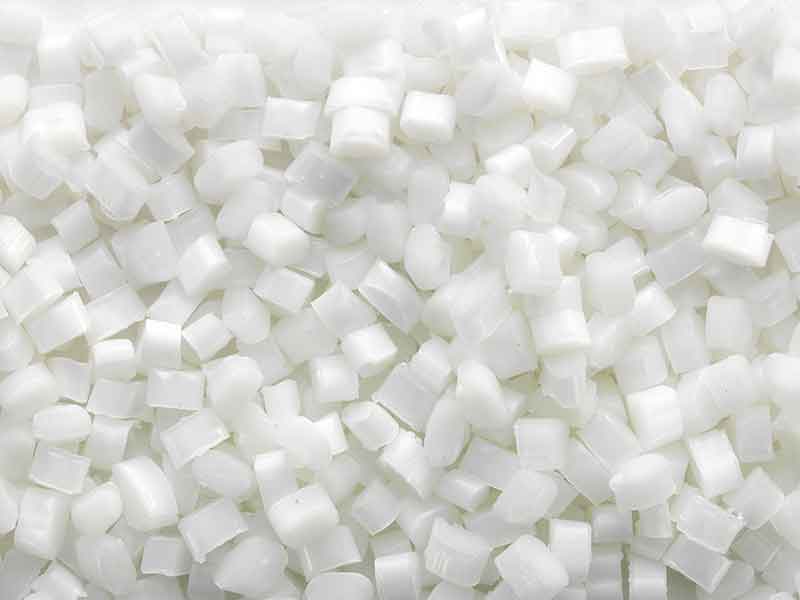
Innovations in masterbatch technology have enabled the development of advanced polymer formulations that provide tailored barrier properties. Manufacturers can customize these formulations to meet specific packaging requirements, addressing permeability concerns while maintaining product integrity. Utilization of innovative additives allows for improved resistance against oxygen and moisture ingress, thereby enhancing the shelf life of food products and sensitive items. As brands seek sustainable solutions with minimal environmental impact, bespoke masterbatches become necessary in achieving a balance between performance and cost-efficiency.
- Key Components of Permeability Control Masterbatches
Permeability control masterbatches consist of several key components that enhance barrier properties. These include inorganic fillers, such as silica and clay, which create physical barriers against gas and moisture transmission. Additionally, specialty additives like antioxidants and UV stabilizers protect against external factors that can compromise packaging integrity. The precise combination of these components is critical in tailoring the masterbatch for specific applications, ensuring compatibility with various polymers and processing methods.
- State-of-the-Art Technologies Driving Performance Improvements
Innovative technologies are central to enhancing the performance of permeability control masterbatches. Advancements in nanotechnology, for instance, allow for the incorporation of nanoscale additives that significantly improve barrier properties without compromising mechanical strength. Furthermore, developments in polymer blending techniques enable the creation of multi-layered systems, where each layer serves a specific function, resulting in unparalleled protection. Continuous research in biopolymer formulations also opens new avenues for sustainable options, appealing to environmentally conscious manufacturers.
Among the state-of-the-art technologies driving performance improvements are the emerging applications of AI and machine learning in material science. These technologies enable more precise formulation adjustments based on real-time insights and predictive modeling, tailoring barriers to meet dynamic industry needs. For example, companies utilizing data analytics can easily identify optimal concentrations of additives for specific polymers, which fosters innovation in creating lighter, thinner packaging with superior barriers. Additionally, advanced extrusion techniques have significantly improved the uniform distribution of additives, ensuring effective and consistent barrier performance across extensive production runs.
Real-World Applications: Sectors Benefiting from Advanced Barrier Solutions
Across various industries, advanced barrier solutions are increasingly necessary for maintaining product integrity and quality. Sectors such as food and beverage, pharmaceuticals, and electronics leverage these technologies to ensure optimal performance while minimizing waste and enhancing customer satisfaction.
- Food and Beverage Packaging
- Pharmaceutical and Medical Packaging
- Consumer Electronics
- Aerospace and Automotive
Sector Overview
| Food and Beverage Packaging | Utilizes barrier solutions to extend shelf life and maintain flavor and freshness. |
| Pharmaceutical and Medical Packaging | Aims to protect sensitive products from environmental influences and ensure therapeutic efficacy. |
| Consumer Electronics | Employs barriers to prevent moisture ingress and protect vital components. |
| Aerospace and Automotive | Incorporates advanced materials to shield components from corrosive elements. |
- Food and Beverage Packaging: Extending Shelf Life
Advanced barrier solutions in food and beverage packaging are designed to significantly prolong shelf life, ensuring that products remain fresh. By effectively reducing the permeability to oxygen, moisture, and other contaminants, these packaging solutions maintain flavor, texture, and nutritional value, ultimately resulting in reduced waste for manufacturers and retailers.
The French company Bernhardt-Deltasacs came up with the idea of barrier packaging, which has been utilized to cleanse drinking water. Their water purification bag uses both solar and surface heat generation to raise bag temperatures to 60°C. Internal film layers are . It is combined with an external PolyPropylene (PP) with UV additives. Used in the agricultural film to ensure sunlight durability. Design-wise, a 0.38-millimeter (mm) HPDE spout is easily inserted and sealable into the side of the pouch.
- Pharmaceutical and Medical Packaging: Ensuring Safety and Efficacy
The pharmaceutical industry relies heavily on advanced barrier solutions to uphold the safety and efficacy of medications. Packaging must protect against environmental factors such as humidity and light exposure, which can compromise drug stability and effectiveness, thus ensuring that products remain safe for consumption until their expiration dates.
Pharmaceutical packaging innovations incorporate moisture barriers, UV-blocking materials, and oxygen scavengers to create an optimal environment for drug preservation. For instance, blister packs designed with high-performance barrier films ensure that sensitive medications remain effective by minimizing exposure to atmospheric disturbances. The enhancements in permeability control not only safeguard product integrity but also align with regulatory compliance, ultimately boosting consumer trust in pharmaceutical brands.
Environmental Considerations: The Green Path to Efficient Barrier Packaging
Shifting toward sustainable packaging solutions is becoming a priority for manufacturers as environmental awareness grows. By integrating permeability control masterbatches with eco-friendly materials, companies can enhance their packaging’s barrier properties while minimizing environmental impact. These innovations contribute to reducing waste and promoting a circular economy, aligning with consumer demand for greener products.
- Balancing Performance with Sustainability Concerns
Achieving an optimal balance between high-performance packaging and sustainability remains a challenge. Innovators in the field actively seek materials that meet stringent barrier requirements without compromising on biodegradability or recyclability. By developing advanced formulations, they strive to ensure that environmental benefits do not come at the expense of performance, facilitating wider adoption of sustainable practices in packaging.
- Biodegradable Options and Their Impact on Market Trends
The introduction of biodegradable options is reshaping market dynamics in packaging. These materials, designed to break down naturally, appeal to eco-conscious consumers and may influence purchasing decisions significantly. As more brands adopt biodegradable packaging solutions, they set new standards that encourage innovation in sustainable materials across the industry.
Biodegradable options are not merely a trend; they represent a pragmatic response to escalating environmental concerns. Recent studies show that nearly 70% of consumers prefer products with sustainable packaging, prompting brands to explore alternatives that do not sacrifice quality. In sectors like food and beverage, the shift towards biodegradable materials has accelerated, with companies like Coca-Cola and Unilever pledging to make substantial changes by 2025. This commitment highlights a broader market movement where consumer preferences are increasingly aligned with sustainability ideals, compelling manufacturers to re-evaluate their packaging strategies for future competitiveness.
The Future of Packaging: Predictions for Barrier Technology Innovation
As packaging technologies advance, the future promises enhanced barrier properties driven by innovative materials and sustainable practices. With a focus on minimizing environmental impact, companies are investing in research to develop biodegradable and recyclable barrier solutions. Anticipated breakthroughs in nanotechnology and bio-based polymers will likely redefine performance standards, allowing for more efficient, protective packaging that meets evolving market demands and consumer expectations.
- Emerging Trends in Material Science and Application
Advancements in material science are paving the way for innovative barriers that offer better protection while reducing resource consumption. Examples such as bio-based polymers and nanocomposites demonstrate significant potential, providing superior mechanical and thermal properties. These materials not only enhance food preservation but also align with the principles of environmental sustainability, creating a future of economically viable and eco-friendly packaging alternatives.
- The Importance of Regulatory Compliance and Consumer Demand
Regulatory compliance plays a pivotal role in shaping the future of barrier technology. As consumer demand for sustainable and safety-conscious packaging rises, manufacturers must adapt to stricter regulations regarding materials and waste management. Industries are increasingly pressured to utilize materials that meet high health and safety standards while delivering optimal performance. The success of packaging innovations will depend significantly on the capacity to align production with these evolving compliance requirements and shifting consumer preferences.
To navigate this landscape, companies are leveraging collaborative efforts with regulatory bodies to ensure that their products not only comply with current guidelines but also anticipate future regulations. For instance, the European Union’s stringent regulations on single-use plastics have incentivized organizations to redesign their packaging. By developing barrier materials that are recyclable and safe for consumers, businesses not only meet compliance but also respond to growing ecological concerns, making them more appealing to environmentally conscious consumers.
Conclusion
With this in mind, they can appreciate the significance of Permeability Control Masterbatch in enhancing barrier properties for packaging solutions. This innovative approach enables manufacturers to fine-tune the permeation characteristics of their products, ultimately leading to improved shelf life and product integrity. By employing this technology, you can ensure that packaging meets the demands of various industries while maintaining sustainability and efficiency. As the market continues to evolve, they recognize that such advancements are vital for achieving superior packaging performance.