Table of Contents
The majority of plastic producers acknowledge the crucial role calcium filler masterbatch plays in improving their manufacturing operations. Understand that incorporating this additive not only enhances the physical properties of plastics but also reduces costs significantly. By using calcium as a filler, you can improve the strength, durability, and overall performance of the final product, while also benefiting from better processing efficiency. As industries strive for both quality and sustainability, they increasingly turn to calcium filler masterbatch as a vital component in meeting their operational goals.
The Vital Role of Calcium Filler Masterbatch in Enhancing Plastic Characteristics

Calcium filler masterbatch significantly elevates the overall quality of plastic products, ensuring they meet industry standards while remaining cost-effective. By integrating this additive, manufacturers can enhance aspects such as mechanical strength, thermal resistance, and surface finish, ultimately leading to improved performance and longevity of the final products. The optimal combination of calcium carbonate with polymers allows for a versatile range of applications, especially in sectors where durability and reliability are non-negotiable.
- Strengthening Mechanical Properties
Mechanical properties, such as tensile strength and impact resistance, receive a notable boost from calcium filler masterbatch. This enhancement is attributed to the filler’s ability to create a more uniform structure within the polymer matrix, preventing weaknesses that can lead to fractures or breaks during use. Studies have shown that including calcium carbonate can improve tensile strength by up to 30%, providing manufacturers with the necessary performance qualities required in demanding applications.
- Improving Thermal Stability
Thermal stability is paramount in plastics, especially for products exposed to varying temperatures. By incorporating calcium filler masterbatch, manufacturers can significantly minimize thermal degradation. This stabilization occurs because calcium carbonate has a high heat resistance and lowers the thermal expansion of the polymer matrix. As a result, products remain intact and functional across a broader temperature range, making them ideal for construction, automotive, and other applications where heat exposure is a concern.
Moreover, studies indicate that calcium filler masterbatch can increase the degradation temperature of plastics by as much as 50 degrees Celsius, substantially enhancing their lifespan. This improvement not only protects the integrity of the material during processing but also during its end-use, reducing the risks associated with temperature-induced failures. Consequently, products exhibit a higher degree of reliability, which is critical in maintaining safety and performance standards across various industries.
Cost-Efficiency Revolution: How Calcium Filler Masterbatch Reduces Production Costs
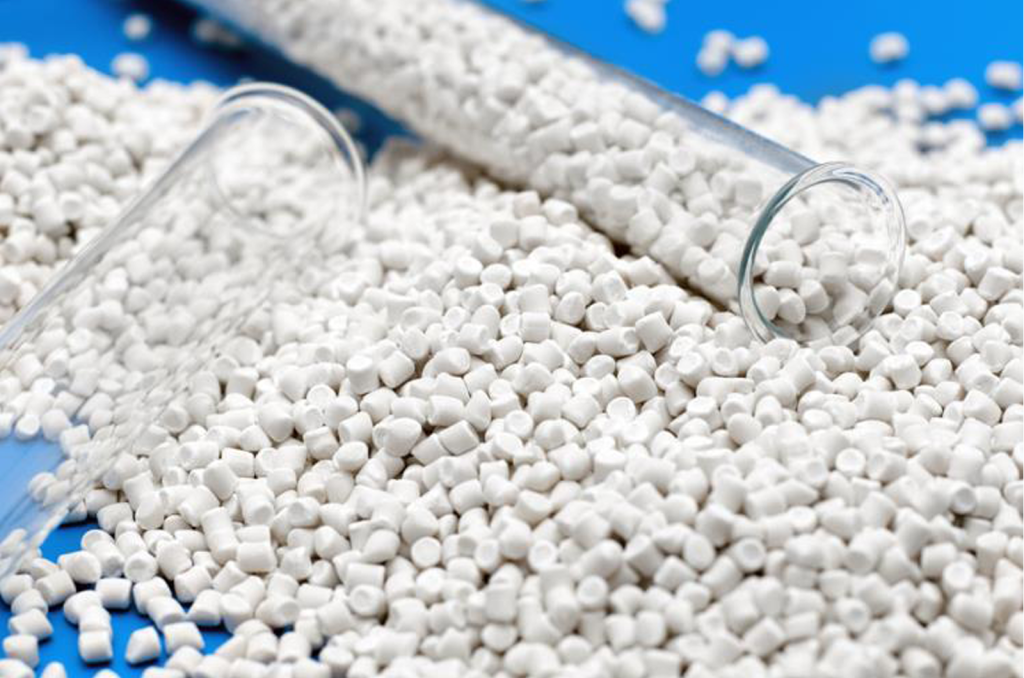
Embracing calcium filler masterbatch introduces remarkable cost-saving advantages for plastic manufacturers. By reducing the amount of expensive raw materials required and optimizing production processes, they can allocate resources more efficiently. The integration of this additive effectively decreases overall production costs, enabling businesses to maintain competitive pricing while preserving product quality and performance.
- Lowering Material Expenses
Calcium filler masterbatch serves as an economic alternative to traditional polymer materials. By substituting a portion of the costly resin with a lower-cost filler, companies can slash material expenses significantly. This reduction not only makes products more affordable to produce but also permits price flexibility in a competitive marketplace.
- Increasing Process Efficiency
Enhanced process efficiency is another compelling benefit of calcium filler masterbatch that plastic manufacturers increasingly appreciate. The smoother flow properties of calcium-loaded materials reduce machinery wear and tear, enabling faster processing speeds. Consequently, this accelerates production cycles, allowing companies to meet demand more promptly and optimize their throughputs with minimal disruptions.
Additionally, utilizing calcium filler masterbatch can streamline the production process, as its excellent dispersion leads to improved melt processing. Operators often observe fewer stoppages due to buildup or blockages, thus maintaining a consistent output. With these enhancements, productivity can increase by approximately 20-25%, translating into higher profitability and shorter lead times for clients. Overall, these efficiencies contribute substantially to the bottom line, reinforcing the strategic value of integrating calcium filler masterbatch into production workflows.
Environmental Impact: The Sustainable Advantage of Calcium Filler Masterbatch
Integrating calcium filler masterbatch into plastic manufacturing presents notable environmental benefits, reinforcing the industry’s move toward sustainability. This additive not only enhances the mechanical properties of plastics but also contributes to a significant reduction in the use of virgin materials, ultimately helping to lower environmental impact. As eco-conscious practices gain traction, manufacturers benefit from adopting this economical and sustainable approach, which leads to greener production processes and more sustainable end-products.
- Reducing Carbon Footprint
Utilizing calcium filler masterbatch enables manufacturers to lower their carbon footprint by decreasing the overall volume of plastic resin required in production. With a reduced dependency on petroleum-based raw materials, the manufacturing process becomes more energy-efficient, thus minimizing greenhouse gas emissions. Studies indicate that substituting 20% of traditional resin with calcium carbonate can reduce emissions by 10–15%, showcasing its potential for significant impact.
- Advancing Recycling Initiatives
Calcium filler masterbatch plays a pivotal role in advancing recycling initiatives within the plastics industry. Its composition enhances the recyclability of various products, making them easier to process and regenerate. With rising emphasis on circular economies, manufacturers are increasingly embracing calcium filler masterbatch as a means to elevate the quality of recycled plastics while reducing waste and promoting sustainable practices throughout the supply chain. By incorporating this additive, companies are not only enhancing product performance but also supporting environmental stewardship through improved recycling methods.
As recycling technologies evolve, calcium filler masterbatch stands out as a key player in creating high-quality recycled materials. Its ability to integrate seamlessly with various polymers ensures that the end products maintain strength and durability, which are crucial for consumer acceptance. Enhanced compatibility with existing recycling processes facilitates a comprehensive understanding of how to optimize waste management systems, leading to a more sustainable lifecycle for plastic products.
Industry Trends: The Growing Demand for Calcium Filler Masterbatch
The demand for calcium filler masterbatch continues to rise, driven by the increasing need for cost-effective and sustainable solutions in plastic manufacturing. Companies are focusing on reducing production costs while enhancing the performance of their products, which has led to an uptick in the adoption of calcium-based filler solutions. Recent market analyses indicate that the global calcium filler masterbatch market is expected to grow at a significant CAGR 7.3% from 2023 to 2030, reflecting heightened industry interest and an ongoing shift towards lighter yet stronger plastic formulations.
- Innovations in Formulation
Advancements in formulation techniques are enabling manufacturers to create calcium filler masterbatches with optimized properties. Recent innovations include the incorporation of additives that enhance durability, UV resistance, and processing efficiency. These developments not only improve the mechanical properties of the final products but also enable manufacturers to meet specific industry standards, ensuring that their offerings remain competitive and aligned with market demands.
- Market Expansion and Applications
Calcium filler masterbatch is expanding into a diverse range of applications, including packaging, automotive components, and consumer goods. The versatility of calcium-based fillers allows for improved performance in various plastics, from enhancing rigidity in automotive parts to increasing opacity in packaging films. As industries seek sustainable alternatives, manufacturers are finding new markets for calcium filler masterbatch, further driving its adoption across different sectors.
This market expansion reflects a broader trend toward lightweight materials, especially in the automotive and packaging industries where weight reduction leads to enhanced fuel efficiency and lower shipping costs. The increased focus on sustainability has seen organizations actively sourcing materials that can reduce their carbon footprint while still providing necessary performance characteristics. For instance, automotive manufacturers are increasingly turning to calcium filler masterbatch to reduce the weight of interior and exterior components, which in turn contributes to more sustainable vehicle designs.
Practical Implementation: How to Integrate Calcium Filler Masterbatch into Your Production Line
Successful integration of calcium filler masterbatch into a production line requires a clear strategy. Manufacturers should assess their current formulations and equipment to ensure compatibility. Starting with a small trial batch allows for the evaluation of material performance, cost efficiency, and adjustments needed in blending techniques or machinery. Collaborating with suppliers who can provide technical support and customized solutions further enhances the implementation process, ensuring optimal outcomes tailored to specific production needs.
- Choosing the Right Masterbatch
Selecting the appropriate calcium filler masterbatch involves considering factors such as the type of plastic being used, the desired mechanical properties, and end-use applications. Manufacturers should evaluate different grades based on their particle size, purity, and compatibility with other additives. Testing various formulations in a controlled environment can yield insights on which masterbatch yields the best results in terms of efficiency, cost savings, and overall performance.
- Adjusting Processing Parameters
Modifying processing parameters is vital after integrating calcium filler masterbatch to maintain product quality. Adjustments may include temperature settings, dwell times, and screw speeds to accommodate the new material’s characteristics. For example, increased filler levels often necessitate a higher processing temperature to ensure complete melting and mixing. Regular monitoring of flow rates and melt pressures can also identify any anomalies in the production cycle that require further optimization.
For optimal results, manufacturers should consider establishing baseline parameters before introducing calcium filler masterbatch. As they incorporate varying percentages of filler, adjusting the extruder temperature along with the cooling process may be necessary to maintain flow consistency and mitigate any potential processing issues. Additionally, utilizing tools like quality control software can help in tracking performance metrics to refine adjustments over time, ultimately leading to enhanced production efficiency and product quality.
Summing up
With this in mind, they should understand that Calcium Filler Masterbatch plays a vital role in enhancing the quality and cost-effectiveness of plastic manufacturing. You will acknowledge how it improves mechanical properties and reduces production costs by substituting a portion of more expensive resins. Furthermore, they should recognize its environmental benefits, as it promotes the use of less plastic while maintaining performance standards. Ultimately, integrating Calcium Filler Masterbatch into production processes can lead to significant advancements in both product functionality and sustainability.