Table of Contents
There’s a growing interest among manufacturers and retailers in using oxygen scavenger masterbatch to enhance the shelf life of packaged goods. This innovative packaging solution effectively minimizes oxidative degradation, ensuring products remain fresh and viable for longer periods. By incorporating these advanced materials into packaging, you can significantly reduce food waste and improve consumer satisfaction. As industries continue to seek sustainable and effective methods to preserve their products, oxygen scavenger masterbatches represent a promising development in food packaging technology.
The Science Behind Oxygen Scavengers
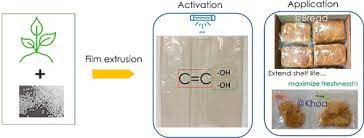
Understanding the science behind oxygen scavengers reveals why they are necessary for extending the shelf life of various products. Oxygen scavengers function by actively removing oxygen from the packaging environment, mitigating the inevitable oxidation processes that lead to spoilage and degradation. These compounds offer a proactive means of combating the harmful effects of oxygen, ensuring that products maintain their quality, nutritional value, and aesthetic appeal throughout their intended shelf life.
- Chemistry of Oxidation and Shelf Life
Oxidation, a reaction between oxygen and other substances, is a significant factor that affects shelf life. In food and pharmaceutical products, oxidative degradation results in nutrient loss, rancidity, and color changes. The rate of oxidation can be influenced by factors such as temperature, light exposure, and the presence of catalysts, meaning that controlling oxygen levels is vital to preserving product integrity.
- Mechanisms of Oxygen Scavenging in Masterbatches
Oxygen scavengers in masterbatches utilize various chemical reactions to effectively absorb oxygen. They commonly contain reducing agents, such as metal ions or organic compounds, which react with oxygen to form stable by-products. This process not only minimizes the oxygen levels within packaging but also prevents the oxidation of sensitive materials, extending the overall shelf life and enhancing the stability of the packaged goods.
Different oxygen scavenging mechanisms include reversible and irreversible reactions. Reversible scavengers temporarily bind to oxygen, allowing for potential regeneration under certain conditions, while irreversible scavengers permanently consume oxygen. Masterbatches often incorporate multiple scavenging agents to optimize performance across various products, ensuring consistent results in diverse packaging applications. A well-designed oxygen scavenging masterbatch can result in significant shelf life improvements, making it an invaluable tool for manufacturers aiming to deliver high-quality products to consumers.
Innovations in Packaging: The Role of Masterbatch

Advancements in packaging technology have paved the way for the integration of masterbatch into materials, enhancing their functionality and extending product shelf life. This specific formulation allows for the incorporation of oxygen scavengers directly within packaging, ensuring they actively respond to environmental conditions while maintaining the integrity of the products inside. As industries increasingly embrace sustainable practices, this innovation stands out by combining effectiveness with eco-friendliness.
- Integration of Scavengers in Packaging Materials
By embedding oxygen scavengers into packaging materials, manufacturers significantly improve the barrier properties of plastics. This innovative approach ensures that packaged goods remain protected from oxidative degradation. Through molecular modification during the extrusion process, these scavengers become an intrinsic part of the packaging, providing a continuous defense against oxygen without altering the necessary characteristics of the material.
- Benefits of Advanced Packaging Solutions
Advanced packaging solutions utilizing masterbatch offer several key benefits that enhance product longevity and consumer satisfaction. These include:
- Extended shelf life
- Reduction in food waste
- Improved product quality
- Cost-effective packaging production
Benefits of Advanced Packaging Solutions
| Benefit | Description |
| Extended Shelf Life | Effective protection from oxygen extending the usability of products. |
| Reduction in Food Waste | By maintaining freshness longer, waste is significantly diminished. |
| Improved Product Quality | Quality maintenance through enhanced preservation methods using masterbatch. |
| Cost-Effective Production | Streamlined processes with integrated materials reduce production costs. |
These advanced packaging solutions are transforming the landscape of food and pharmaceutical industries as they strive to enhance quality while reducing costs and environmental impact. The integration of masterbatch not only addresses shelf life but also aligns with the increasing consumer demand for sustainable practices. Manufacturers leveraging these innovations can produce more reliable, efficient, and eco-friendly packages that resonate well with consumers and industry standards alike.
Real-World Applications: Industries That Benefit
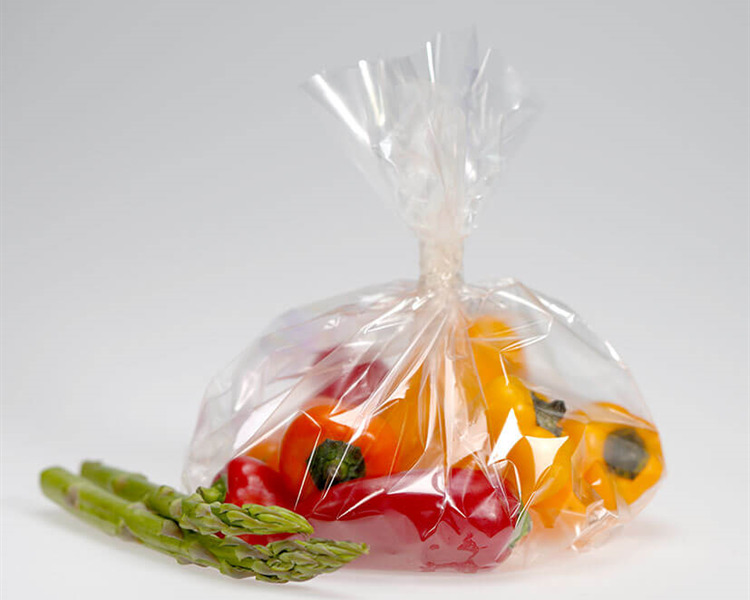
Numerous industries harness the benefits of oxygen scavenger masterbatch to enhance product longevity and maintain quality. From food packaging to pharmaceuticals, various sectors adopt these innovative solutions to combat the detrimental effects of oxygen exposure. Many manufacturers have seen a significant reduction in spoilage rates, leading to improved customer satisfaction and reduced waste across their product lines.
Food and Beverage Sector Enhancements
In the food and beverage sector, oxygen scavengers play a pivotal role in preserving freshness and flavor. They effectively protect perishable items like meats, dairy products, and beverages from oxidative spoilage, thus extending shelf life. Many manufacturers report that integrating these masterbatches into their packaging solutions results in longer-lasting products, ultimately benefiting both the supply chain and consumer experience.
- Pharmaceuticals and Medical Device Preservation
Oxygen scavenger masterbatch is also indispensable in the pharmaceuticals and medical device sectors, where product integrity is paramount. These solutions safeguard sensitive formulations from oxidative degradation and maintain their efficacy over time, which is vital for patient safety. The use of masterbatch in this industry not only enhances shelf life but also ensures compliance with stringent regulatory standards.
Pharmaceutical products, particularly those that are formulations rich in active ingredients, can deteriorate in the presence of oxygen, leading to reduced efficacy. Many pharmaceutical companies now utilize oxygen scavenger masterbatch as part of their packaging to create an oxygen-free environment. Case studies reveal that products such as vaccines and biologics, which demand strict temperature and oxygen controls, benefit significantly from this technology. By investing in advanced packaging solutions, these companies not only safeguard their products but also enhance trust with healthcare providers and patients alike.
Evaluating Performance: Metrics and Testing Standards
Evaluating the performance of oxygen scavenger masterbatches encompasses a range of metrics and testing standards that ensure reliability and effectiveness. Key performance indicators include the maximum oxygen absorption capacity, kinetic performance under various temperatures and humidity levels, and the overall compatibility with packaging materials. Rigorous testing protocols provide manufacturers with confidence that the masterbatch will perform consistently throughout its intended shelf life.
- Measuring Effectiveness of Oxygen Scavengers
Effectiveness assessment of oxygen scavengers involves quantifying the reduction in oxygen levels within the packaging environment. Techniques such as gas chromatography and colorimetric analysis are utilized to measure the scavenger’s capacity to absorb oxygen over time. These tests not only confirm the masterbatch’s active performance but also aid in optimizing formulations for specific applications.
- Industry Standards and Compliance Considerations
Adhering to industry standards is vital for manufacturers of oxygen scavenger masterbatches. Organizations such as ASTM International and ISO have established guidelines that outline performance testing and safety measures. Compliance with these standards ensures that products meet regulatory requirements necessary for food safety and consumer protection.
Industry standards and compliance considerations play a significant role in maintaining market integrity. For instance, products must often fulfill specific criteria established by the FDA (Food and Drug Administration) or equivalent organizations globally. Testing must cover not only the oxygen scavenging efficiency but also migration levels to ensure no harmful substances leach into food or products.
Future Directions: Trends Shaping Oxygen Scavenger Technology
Trends in oxygen scavenger technology are increasingly influenced by the demand for improved performance and environmental sustainability. As the food and beverage industry continues to prioritize reducing waste, the development of more efficient scavengers is becoming a focal point. Innovations such as nanotechnology and advanced polymer blends are leading the way in creating more effective solutions that not only prolong shelf life but also address sustainability concerns.
- Emerging Materials and Sustainable Practices
New materials are emerging in oxygen scavengers, with a focus on biodegradable and recyclable options. These developments allow manufacturers to enhance performance while aligning with eco-friendly practices. For instance, bio-based polymers are gaining traction as they offer a sustainable alternative to traditional plastics, reducing environmental impact without compromising quality.
- Predictions for Market Evolution and Consumer Demand
Market predictions suggest a significant rise in the demand for oxygen scavenger technologies over the next decade. As consumers become increasingly aware of food preservation methods, they are likely to prefer products that incorporate advanced packaging solutions. Analysts anticipate an annual growth rate of 6% in the global oxygen scavenger market, driven by the food, pharmaceuticals, and cosmetics sectors striving for extended shelf life and safety in their products.
Consumer preferences are evolving towards products with longer-lasting freshness and quality assurance, prompting brands to adopt innovative packaging solutions. As the demand for sustainable packaging continues to grow, companies will likely invest in research and development to create oxygen scavengers that not only meet performance metrics but also align with increasingly stringent regulatory frameworks.
Summing up
Upon reflecting, they have recognized the vital role of oxygen scavenger masterbatch in enhancing the longevity of packaged products. This advanced packaging solution offers a strategic approach to mitigating oxidative degradation, thereby prolonging shelf life and improving quality. Understand that incorporating such technology can greatly benefit manufacturers in maintaining product integrity and meeting consumer expectations. Noted that as the demand for longer-lasting products continues to grow, the implementation of oxygen scavenger masterbatch represents a significant advancement in sustainable packaging practices.