Table of Contents
Just exploring the intricacies of the extrusion process mastery can empower professionals in the plastics industry to enhance their production output. By mastering proven techniques, they can ensure a consistent quality of masterbatch, which is necessary for various applications. He, she, and they will explore into scientific principles and practical strategies that streamline the extrusion process, maximizing efficiency and effectiveness. This blog post serves as a comprehensive guide, equipping readers with the knowledge needed to excel in producing high-quality masterbatch consistently.
The Mechanics of Masterbatch Production
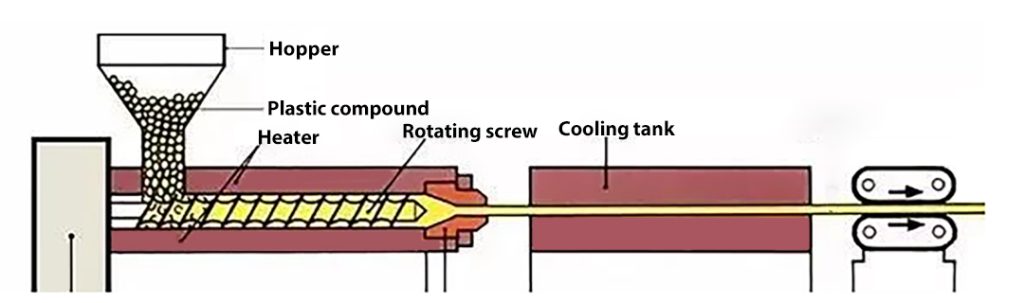
The process of masterbatch production involves a meticulous combination of materials and techniques to ensure consistent quality and performance. By understanding the nuances of extrusion, manufacturers can optimize their recipes for both color and functionality, enabling them to meet specific industry demands with precision. The careful selection of resins, additives, and pigments plays a pivotal role in achieving desirable product attributes like dispersion and stability.
- Key Components: Resins, Additives, and Pigments
In masterbatch production, the primary components include thermoplastic resins, various additives, and pigments. Resins serve as the base material, dictating the masterbatch’s compatibility and processing behavior. Additives enhance properties such as UV resistance or flame retardancy, while pigments provide the required color intensity. Each component must be selected thoughtfully to align with the intended application and enhance the final product’s performance.
- The Role of Extrusion Process Mastery: Temperature and Pressure
Extrusion temperature and pressure significantly influence the quality of the masterbatch. Properly controlled temperatures facilitate the melting of the resin and the fusion of pigments and additives. Optimum pressure levels ensure a homogenous mix and prevent issues like degradation or uneven dispersion in the output. Each material may require specific thermal profiles to maintain integrity throughout the extrusion process.
Temperature and Pressure Guidelines
| Extrusion Temperature | Typically ranges from 180°C to 250°C, depending on the resin type and additives. |
| Extrusion Pressure | Involves pressures from 1000 psi to over 4000 psi to ensure optimal mixing. |
Maintaining the right extrusion temperature and pressure directly correlates with the quality of the masterbatch. For instance, a temperature too high can lead to thermal degradation of sensitive additives, affecting color and functionality. Conversely, low temperatures might result in poor mixing and uneven dispersion, compromising the masterbatch’s performance. Understanding the specific thermal characteristics of each component allows operators to set precise conditions that maximize product yield and quality.
Temperature Effects on Materials
| Too High Temperature | Leads to resin degradation, changes in pigment properties, and reduced additive efficacy. |
| Too Low Temperature | Causes poor dispersion, potential blockages, and inconsistency in final product quality. |
Calibration Techniques for Precision Output
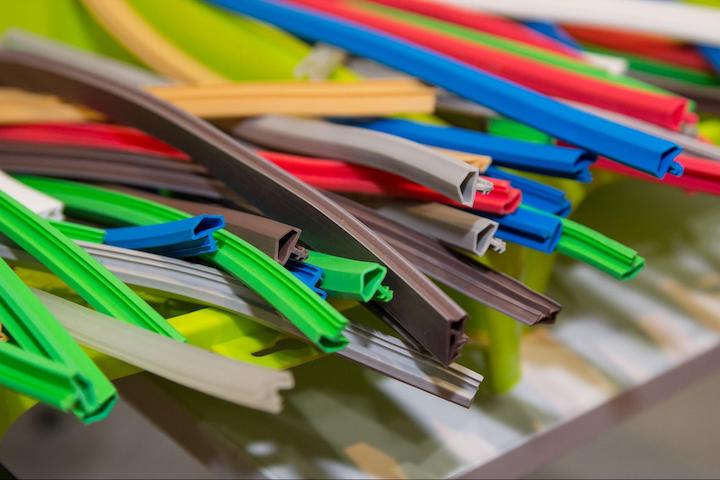
Masterbatch producers can achieve exceptional output quality by employing precise calibration techniques throughout the extrusion process. These techniques encompass a detailed assessment of equipment settings, material compatibility, and continuous monitoring of production parameters. Calibration not only enhances the uniformity of color and performance attributes but also minimizes waste and energy consumption, contributing to a more efficient manufacturing environment.
- Machinery Calibration for Consistency
Effective machinery calibration is important to ensure consistency in masterbatch production. Producers should undertake detailed calibration processes for extruders, feeders, and cooling systems, which directly impact product quality. Regularly verifying temperature profiles, pressure readings, and cooling times can catch deviations early, maintaining optimal processing conditions and resulting in a stable output.
- Importance of Feed Rate and Screw Design
Feed rate and screw design play pivotal roles in the extrusion process, influencing the stability and quality of the masterbatch output. An appropriate feed rate ensures that raw materials are delivered to the extruder at an ideal pace, enhancing mixing and dispersion. Meanwhile, screw design affects material conveyance and dwell time, facilitating proper melting and preventing degradation.
Feed rate variations can lead to inconsistencies in viscosity and ensure that the material is evenly distributed during the extrusion process. For instance, a well-engineered screw design can help maintain a steady flow of materials while allowing for adequate mixing of additives, thus ensuring that every batch meets the desired specifications. In practice, research has shown that optimizing feed rates along with tailored screw geometries can improve production efficiencies by up to 15%, allowing for higher throughput without sacrificing quality.
Quality Control Measures for Optimal Results
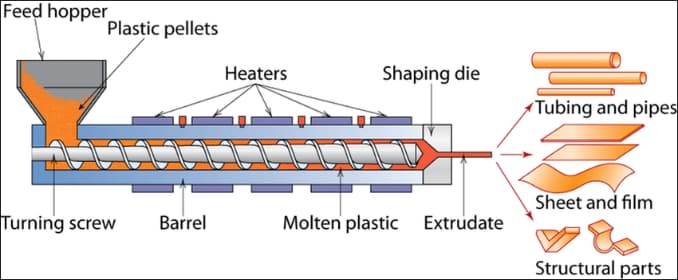
A comprehensive approach to quality control is crucial to achieve optimal masterbatch production outcomes. Implementing systematic measures not only minimizes defects but also maintains product consistency. From initial raw material analysis to final product evaluations, these measures play a pivotal role in ensuring superior quality. By adopting a multi-faceted strategy that includes both visual inspections and advanced testing techniques, producers can enhance process reliability and uphold customer satisfaction.
- Visual and Physical Property Assessments
Visual and physical property evaluations are essential to mastering the extrusion process because they guarantee reliable and superior masterbatch production. Visual inspections look for problems like streaks, flecks, or uneven distribution by concentrating on surface appearance, gloss, and color homogeneity. Physical property evaluations verify that the extruded plastic satisfies performance criteria by analyzing strength, flexibility, impact resistance, and dimensional stability.
By identifying processing irregularities early on, these assessments allow for prompt temperature, pressure, or screw speed modifications. In challenging plastic applications, producers may achieve higher product quality, decrease waste, and preserve customer trust by integrating visual and physical assessments.
Troubleshooting Common Extrusion Issues
Extrusion processes can often face challenges that may hinder the production of high-quality masterbatch. Operators need to be adept at identifying issues such as uneven dispersion, color streaking, or material degradation. By closely monitoring temperature profiles, feed rates, and the moisture content of raw materials, they can pinpoint the root causes of these anomalies. Regular maintenance schedules and thorough training ensure that operators are well-equipped to tackle these issues efficiently and effectively.
- Identifying and Resolving Defects in Masterbatch
Defects in masterbatch can significantly impact end-product quality. Operators analyze samples for inconsistencies, such as poor color matching or inadequate dispersion of additives. Techniques like retrospection of the entire production cycle, along with regular quality control checks, facilitate the identification of these defects. Once detected, adjustments in processing parameters and raw materials often resolve these issues, leading to improved batch consistency.
- Best Practices for Continuous Improvement
A systematic approach to continuous improvement fosters innovation and efficiency in extrusion processes. Conducting regular process audits allows teams to identify areas needing enhancement while benchmarking against industry standards. Collaborating with suppliers to optimize material formulations or implementing advanced monitoring technologies also yield better results. Additionally, ongoing employee training on the latest extrusion techniques and best practices promotes a culture of excellence and proficiency.
Implementing a continuous improvement philosophy in extrusion entails fostering an environment where feedback drives innovation. Utilizing tools such as Six Sigma can provide structured analysis to reduce defects, empower teams to conduct root cause analyses, and implement corrective actions for persistent issues. Additionally, employing real-time data tracking during extrusion allows operators to make adjustments dynamically, thus minimizing production disruptions and maximizing overall output quality.
Supplementary Technologies Enhancing Extrusion
In addition to traditional extrusion techniques, supplementary technologies significantly enhance the efficiency and quality of masterbatch output. Advances in equipment, such as twin-screw extruders and co-rotating systems, allow for superior mixing and dispersion of additives. Furthermore, the integration of real-time monitoring systems ensures better process control, ultimately paving the way for improved consistency in the final product. Together, these technologies create a synergistic environment that supports the production of high-quality masterbatch while minimizing waste and energy consumption.
- The Impact of Automation and IoT on Quality
Automation and the Internet of Things (IoT) streamline the extrusion process, resulting in heightened quality control. Connected machinery enables operators to gather real-time data, helping them identify variations during production. They can make immediate adjustments, ensuring uniformity in the masterbatch. For example, companies adopting IoT solutions have reported a reduction in defect rates by up to 20%, demonstrating the profound influence of these technologies on maintaining high standards in production.
- Innovations in Extrusion Processes and Materials
Recent developments in extrusion processes and materials have transformed the landscape of masterbatch production. Innovations like foamed extrusion and the use of biodegradable polymers provide enhanced performance while meeting environmental standards. Additionally, novel additives enhance flexibility and strength, allowing for greater versatility in applications. These advancements enable manufacturers to push the boundaries of what is achievable in product design, ensuring they stay competitive in a rapidly evolving market.
Research indicates that new materials such as biocomposites and high-thermal plastics are increasingly utilized in extrusion, offering valuable properties like improved thermal stability and reduced weight. For instance, the introduction of advanced thermoplastics has facilitated the production of lightweight automotive components, thereby enhancing fuel efficiency. Furthermore, the development of highly specialized screw designs optimizes melting and mixing, resulting in superior dispersion of pigments and additives in masterbatch formulations. As such innovations continue to evolve, they enable manufacturers to tailor their products to meet specific client demands, contributing to the ongoing trend towards customization in the industry.
Final Words
Summing up, mastery of the extrusion process is crucial for achieving consistent, high-quality masterbatch output. By applying proven techniques, practitioners can enhance their understanding of the intricacies involved, enabling them to optimize their production methods effectively. He, she, and they can draw upon the insights shared in this guide to elevate their operations, ensuring that their output meets the highest industry standards. With commitment and expertise, they can position themselves as leaders in the field of extrusion, ultimately driving their success and satisfaction in the process.