Table of Contents
There’s a growing interest in the use of infrared absorbing masterbatch within the polymer industry, as it provides advanced protection and efficiency for a variety of products. By incorporating infrared absorbing agents, manufacturers enhance the thermal stability and lifespan of their polymer materials, which proves beneficial in applications exposed to high temperatures or sunlight. This innovation not only improves product performance but also contributes to energy savings and sustainability efforts. As the demand for high-performance materials increases, understanding the benefits of infrared absorbing masterbatch becomes important.
Shielding from the Sun: The Mechanisms of Infrared Absorption
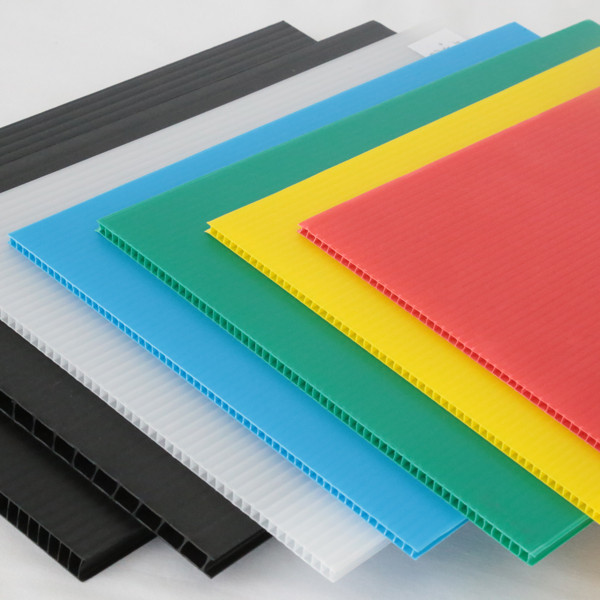
The process of infrared absorption involves the conversion of infrared radiation into heat, effectively preventing its penetration into polymer products. This protective mechanism allows materials to maintain their structural integrity and effectiveness, minimizing heat-induced deterioration, discoloration, and degradation. By utilizing infrared absorbing masterbatches, manufacturers can create polymer components that collectively resist temperature increases while prolonging their lifespan, thereby enhancing the overall product performance.
- The Science Behind Infrared Radiation
Infrared radiation consists of electromagnetic waves with wavelengths longer than visible light, typically ranging from 700 nanometers to 1 millimeter. This radiation is predominantly generated by the sun and is known for its ability to transfer heat. When materials are exposed to infrared light, they absorb this energy, leading to an increase in temperature, which can be detrimental to the performance and durability of various polymers used in outdoor applications.
- How Masterbatch Formulation Enhances Polymer Resilience
Incorporating infrared absorbing compounds into masterbatch formulations significantly improves polymer resilience against thermal stress and environmental factors. This strategic enhancement creates a more robust composite that can better withstand the rigors of its operational environment, ensuring longer-lasting performance without the degradation commonly associated with increased exposure to sunlight and heat.
Masterbatch formulations use specialized additives that interact with the polymer matrix, creating barriers that effectively capture and dissipate infrared energy as heat. This not only protects the polymer from thermal degradation but also helps maintain its aesthetic and functional properties over extended periods. Additives, such as carbon black and various organic pigments, are often employed to ensure optimal absorption characteristics. For example, testing has shown that adding just 5-10% of infrared absorbing masterbatch can reduce heat buildup by over 30%. By selecting the right components and ratios, manufacturers are empowered to customize the performance of their products, ensuring superior resilience and longevity against the harsh UV rays and high temperatures of outdoor environments.
Material Efficiency: The Economics of Infrared Absorbing Masterbatch
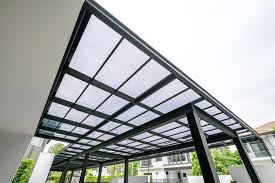
Infrared absorbing masterbatch optimizes material efficiency, driving down production costs while enhancing product performance. By integrating this advanced technology, manufacturers reduce the volume of raw materials required for production, lessening waste and maximizing yield. Additionally, products developed with this masterbatch experience improved durability, resulting in fewer replacements and lower overall material consumption over time.
- Cost-Benefit Analysis for Manufacturers
Manufacturers employing infrared absorbing masterbatch often find notable improvements in their bottom line. Although upfront costs may include a higher initial investment in masterbatch incorporation, the long-term savings from reduced material usage and minimized waste provide significant economic benefits. With enhanced product durability and performance, manufacturers can maintain competitive pricing while fostering customer loyalty.
- Long-term Savings through Increased Product Lifespan
The longevity of products utilizing infrared absorbing masterbatch leads to substantial long-term savings for manufacturers. Case studies indicate that products can last up to 50% longer when protected against UV and infrared radiation. As a result, manufacturers not only save on replacement costs but also gain positive brand recognition for offering robust, high-quality products.
This increase in product lifespan can considerably reduce warranty expenses and returns, which can be major costs for manufacturers. The ability to offer longer-lasting products helps capture consumer trust and strengthens market positioning, further translating initial investments into ongoing profitability.
Versatile Applications: Industries Harnessing Infrared Absorption
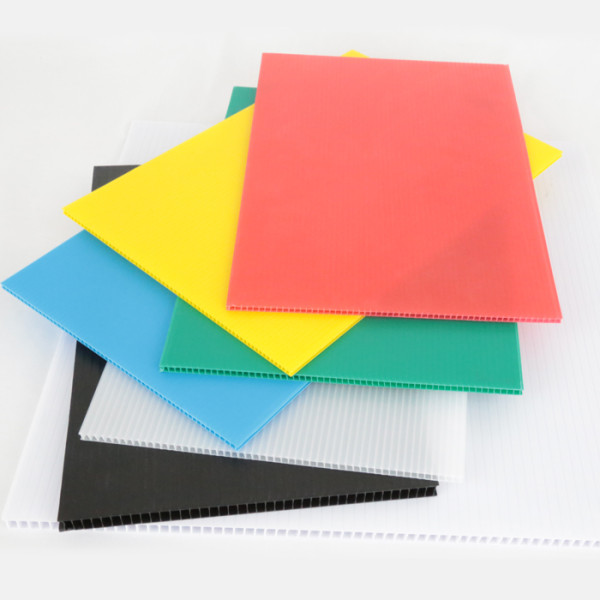
Numerous industries are tapping into the benefits of infrared absorbing masterbatch, enhancing performance and longevity across a range of products. These applications include automotive, outdoor goods, packaging, and electronics, demonstrating a remarkable range of adaptability. Companies are increasingly recognizing that by integrating infrared absorption technology into their designs, they can significantly improve heat management, energy efficiency, and user comfort, all while extending product life in the face of environmental challenges.
- Automotive Sector Innovations
The automotive sector has made significant strides by incorporating infrared absorbing masterbatch into its materials. This innovation helps reduce the interior temperature of vehicles, enhancing passenger comfort while potentially leading to reduced reliance on air conditioning systems. Manufacturers are now producing fabrics, plastics, and coatings that integrate these advanced materials, enabling cars to stay cooler on sunny days and improving energy efficiency, which ultimately supports regulatory compliance and promotes sustainability.
- Advancements in Outdoor Products
Outdoor products greatly benefit from infrared absorbing technology, which enhances performance in various conditions. Whether it’s tents, outdoor furniture, or sporting gear, the masterbatch contributes to cooler surfaces and reduced heat retention in direct sunlight. This capability significantly improves user experience, as individuals can enjoy their outdoor activities without the inconvenience of burning hot materials. Furthermore, the integration of infrared absorption not only leads to greater comfort but also bolsters the durability of products exposed to harsh environmental elements, making them reliable for prolonged use.
Specific examples of advancements in outdoor products can be seen in camping gear, where tents crafted with infrared absorbing materials maintain a cooler interior, even under direct sunlight. For instance, brands have developed picnic blankets that use these innovative materials to ensure a comfortable experience on hot days. Recent studies show that such products achieve a marked reduction in temperature, validating the efficacy of infrared absorption.
Barriers to Adoption: Challenges in Widespread Use
While infrared absorbing masterbatch offers significant advantages, several barriers hinder its widespread adoption. Cost considerations, technical knowledge gaps, and regulatory challenges contribute to a slower acceptance in the marketplace. Stakeholders must address these factors to unlock the transformational potential of this advanced material in various applications.
- Technological Limitations in Manufacturing
Manufacturers often encounter technological limitations that impact the production and integration of infrared absorbing masterbatch into existing processes. Equipment compatibility issues, as well as the need for specialized formulations, can lead to increased production times and costs. These hurdles make it challenging for companies to justify the transition to this innovative solution.
- Misconceptions Within Industry Practices
Misconceptions surrounding infrared absorbing masterbatch can deter organizations from fully embracing its advantages. Many professionals incorrectly assume that these advanced materials are complicated to implement or cost-prohibitive, overshadowing their benefits. Misunderstanding the potential energy savings and the expansion of product lifespans can inhibit decision-making processes in adopting this technology.
For instance, some industry practitioners believe that incorporating infrared absorbing masterbatch into their products will require extensive overhauls or retraining of staff, leading to misconceptions about its practicality. Furthermore, misleading narratives about the performance attributes may lead companies to underestimate the long-term financial benefits, such as reduced energy consumption and improved durability. These misconceptions play a vital role in the slow uptake of infrared technologies, emphasizing the need for comprehensive education on its true capabilities and cost-effective advantages.
Future-Proofing Polymer Products: Trends and Innovations
Constantly evolving consumer demands and regulatory pressures are shaping the development of polymer products. Companies are investing in technologies that allow for greater durability, reduced environmental impact, and improved functionality. Innovations such as self-healing polymers and enhanced recycling methods are becoming prevalent, enabling products to maintain performance while also contributing to sustainability. As industries adapt to these trends, integrating infrared absorbing masterbatch will likely be important for achieving long-term resilience and efficiency.
- Emerging Technologies Enhancing Masterbatch Efficiency
Advancements in material science are revolutionizing the efficiency of masterbatch formulations. Techniques like nanotechnology and advanced dispersion methods are leading to an improved distribution of infrared absorbers within polymers. This results in enhanced thermal stability and energy efficiency, ultimately providing superior performance in various applications.
- The Role of Sustainable Practices in Development
Sustainability is increasingly influencing the landscape of polymer product development. By incorporating renewable materials and energy-efficient manufacturing processes, companies can reduce their carbon footprint while also meeting consumer demand for eco-friendly options. Infrared absorbing masterbatch manufacturers are now focusing on sourcing biodegradable polymers and implementing closed-loop recycling systems, thereby enhancing the lifecycle of their products and minimizing waste. This not only aligns with global sustainability goals but also positions companies as responsible market leaders.
Many companies are taking significant strides toward sustainable practices in the development of infrared absorbing masterbatch. For instance, initiatives promoting the use of post-consumer recycled materials within masterbatch formulations are gaining traction. By promoting transparency in their sourcing and production processes, these manufacturers enhance customer trust and appeal to environmentally conscious consumers. Ultimately, integrating sustainable solutions allows businesses to remain competitive while fulfilling their commitment to the environment and society at large.
Final Words
The application of infrared absorbing masterbatch demonstrates significant advancements in protection and efficiency for polymer products. You will find that incorporating these masterbatches not only enhances thermal management but also prolongs the lifespan of materials in challenging environments. By effectively absorbing infrared radiation, these additives provide valuable benefits, especially in industries seeking to optimize performance while reducing energy consumption. As technology progresses, the growing importance of such innovative solutions is evident in strengthening the resilience and sustainability of polymer applications across various sectors.