Table of Contents
Resins are evolving rapidly in response to the pressing global sustainability goals. They understand the imperative to reduce environmental impact and are innovating to meet these demands. The global plastic resins market size was estimated at USD 829.26 billion in 2023 and is expected to reach USD 1.07 trillion in 2030, growing at a CAGR of 4.5% Industry experts note that manufacturers are increasingly investing in bio-based materials and advanced recycling techniques to create more sustainable product lines. People recognize that collaboration across sectors is necessary for developing solutions that align with both consumer preferences and regulatory requirements. In this blog post we’re gonna talk about the future of plastic resins looks to offer both functional benefits and eco-friendly alternatives.
Rethinking Material Design for a Circular Economy

To align with the principles of a circular economy, manufacturers are reevaluating how they design plastic materials, emphasizing longevity and recyclability. This approach encourages the development of products that can be easily disassembled, repaired, or recycled at the end of their life cycle. Innovative designs not only reduce waste but also minimize the usage of virgin materials, ultimately lowering environmental impact. By shifting focus towards sustainability from the outset, companies are fostering a culture of responsibility and resourcefulness within the plastics industry.
- Innovations in Bioplastics and Bio-based Resins
Advancements in bioplastics and bio-based resins are setting the stage for a more sustainable future in material design. These alternatives are derived from renewable resources, like corn or sugarcane, and exhibit similar properties to conventional plastics. Companies are increasingly investing in research and development to enhance the performance of these materials, making them suitable for a wider range of applications while reducing reliance on fossil fuels.
- Upcycling Existing Plastics into New Applications
Upcycling it means transforms existing plastics into valuable new products, thereby reducing waste while conserving resources. By creatively repurposing materials, manufacturers can divert plastics from landfills and contribute to a more sustainable ecosystem. This innovative approach not only supports environmental goals but also drives economic opportunities by creating jobs in the recycling and repurposing sectors.
Several initiatives showcase the potential of upcycling plastics into new applications. For instance, companies are taking discarded PET bottles and converting them into high-quality textiles for fashion and interior design, creating a demand for recycled materials. Other successful examples include upcycling plastic waste into durable building materials or outdoor furniture, effectively extending the lifecycle of products while also challenging perceptions of waste. Such endeavors not only highlight the ingenuity within the industry but also offer measurable impacts on environmental stewardship and resource management.
The Role of Regulatory Frameworks in Shaping Resin Production
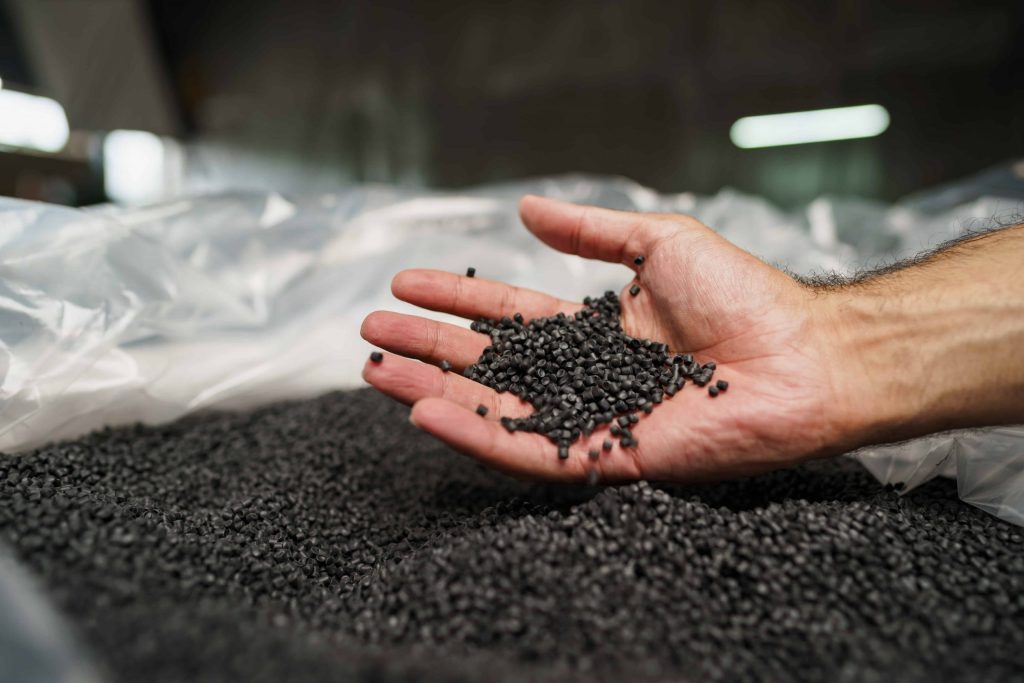
Regulatory frameworks are fundamentally influencing the landscape of resin production by establishing guidelines that prioritize sustainability. These regulations promote innovation and accountability, ensuring that companies adopt practices that minimize environmental impact while meeting consumer demands for eco-friendly materials. The EU is acting against plastic pollution. From 3 July 2021, single-use plastic plates, cutlery, straws, balloon sticks and cotton buds cannot be placed on the markets of the EU Member States. Through stringent waste management laws and emissions targets, policymakers are pushing manufacturers to reconsider their supply chains and production processes.
- Compliance with International Sustainability Standards
International sustainability standards set the benchmark for resin production, compelling manufacturers to align their operations with global sustainability objectives. By adhering to frameworks such as ISO 14001 for environmental management systems, companies actively demonstrate their commitment to reducing ecological footprints and promoting sustainable practices. The globally accepted standard for environmental management systems (EMS) is ISO 14001. It gives businesses a framework for creating and implementing an EMS and continuously enhancing their environmental performance. Organizations can make sure they are taking proactive steps to reduce their environmental impact, meet any legal requirements, and accomplish their environmental goals by following this standard.
- Impact of Government Policies on Material Choices
Government policies play a pivotal role in influencing the selection of materials used in resin production. Through incentives for sustainable practices and penalties for non-compliance with environmental regulations, policymakers shape the market landscape. For example, countries implementing carbon taxes effectively encourage manufacturers to opt for lower-emission alternatives, stimulating demand for bioplastics and recycled materials. This shift reflects a broader trend towards responsible sourcing and product design that aligns with climate action objectives.
One significant aspect of how government policies sway material choices is the introduction of subsidies that support the research and development of green technologies. For instance, in the European Union, the Circular Economy Action Plan incentivizes investments in closed-loop systems, enabling producers to integrate recycled materials into their processes. This legislative backbone not only fosters innovation but also cultivates a culture of accountability within the industry, urging manufacturers to adopt sustainable practices that would have been economically unviable under less rigorous regulatory environments. The interplay between regulatory initiatives and market dynamics is reshaping the resin industry toward a more sustainable future.
Cutting-Edge Technologies Driving Change in Plastic Sustainability
Innovative technologies are reshaping the landscape of plastic sustainability, with a focus on reducing environmental impact while enhancing the functionality of resin materials. Companies are investing in breakthroughs that not only improve product integrity but also facilitate better waste management practices. These technologies include advanced recycling methods, bio-based materials, and the integration of digital solutions that enhance supply chain transparency—each playing a vital role in addressing global sustainability goals.
Global plastics output increased by almost 39% to 400 million metric tons between 2012 and 2022, while recycling rates have not yet surpassed 10% worldwide. The Fourth Industrial Revolution (4IR), which is characterized by technological advancements like blockchain, biotechnology, and artificial intelligence, is transforming economies and industries at an astounding rate. The fight against plastic waste could be completely transformed by these technology. When fully utilized, they have the potential to not only convert linear production systems into circular economies—for instance, by facilitating more intelligent waste management, improved materials tracking, or creative recycling techniques—but also to stimulate advancements in biodegradation, alternative materials, and more precise consumption data.
- Advances in Recycling Technologies
Recycling technologies have evolved significantly, with chemical recycling processes emerging as a game changer. This method enables the breakdown of plastics into their original monomers, allowing for the production of new plastic products that maintain high quality. Companies such as Loop Industries are pioneering these methods, demonstrating that virtually any type of plastic can be recycled, diminishing reliance on virgin materials and reducing environmental strain.
- Integration of Digital Solutions for Supply Chain Transparency
Digital solutions are transforming the way companies approach plastic sourcing and waste management. By leveraging blockchain technology, companies can track plastic materials throughout the supply chain, ensuring responsible sourcing and better accountability. This transparency allows businesses to identify inefficiencies and take proactive steps in reducing their ecological footprint.
In practice, numerous companies are adopting digital platforms to refine their operations. For example, IBM’s Food Trust Blockchain enables real-time tracking of materials, enhancing accountability among suppliers and manufacturers alike. This system allows stakeholders to trace the origin of plastics, ensuring compliance with sustainability standards and facilitating informed decision-making. It also empowers consumers by providing them with information about the environmental impact of products, fostering a culture of responsibility and awareness in purchasing habits.
Stakeholder Collaboration: Building Bridges for Sustainable Solutions
Collaboration among stakeholders is important for fostering innovative, sustainable solutions in the resin industry. By bridging the gap between different sectors, including manufacturers, consumers, and policymakers, they can share insights and develop unified approaches to tackle sustainability challenges. Initiatives like cross-industry workshops and collaborative research projects are emerging, promoting transparency and accountability within the resin supply chain, ultimately leading to more sustainable practices.
- Partnerships Between Industries and NGOs
Strategic partnerships between industries and non-governmental organizations (NGOs) are proving beneficial for championing sustainability goals. These collaborations leverage the expertise of NGOs in environmental advocacy, guiding companies in adopting sustainable resin production methods. An example includes a partnership where a leading plastics manufacturer collaborated with an NGO to implement a closed-loop recycling system, reducing plastic waste and enhancing material recovery.
- Role of Consumers in Driving Responsible Resin Development
Consumers play a pivotal role in shaping responsible resin development through their purchasing choices and demand for sustainable products. As awareness increases, they seek transparency in sourcing and prefer brands that prioritize environmentally-friendly practices. This shift influences manufacturers to invest in sustainable resin technologies and practices, helping them align with global sustainability goals.
The power of the consumer is evident in recent trends where eco-conscious purchases surged by 23% over the last year, prompting manufacturers to rethink their strategies. A survey revealed that 75% of consumers are willing to pay more for products that are made from recycled materials. This increasing consumer demand influences companies to innovate by exploring bioplastics and recyclable resins, ultimately pushing the industry toward a more sustainable future. Understanding that their choices can drive systemic change, consumers are becoming advocates for sustainability, reinforcing the importance of responsible resin development.
Alternative Materials: Competing Against Traditional Plastics
Various alternative materials are making significant strides in the battle against traditional plastics, with a focus on sustainability and performance. Innovations such as bio-based polymers, recycled plastics, and biodegradable options are gaining traction in industries concerned about the environmental footprint of conventional plastics. For instance, polylactic acid (PLA), made from renewable resources like corn starch, is becoming a popular choice in food packaging and disposable products as it offers a similar performance profile while reducing reliance on fossil fuels.
- Assessing the Environmental Impact of New Compositions
The environmental impact of new materials necessitates thorough assessment to ensure they deliver on sustainability promises. Life cycle assessments (LCAs) are being utilized to evaluate not only the production processes but also the end-of-life scenarios of these alternative materials. For example, LCAs conducted on bioplastics show that while they offer lower greenhouse gas emissions during production, the sourcing of raw materials can vary significantly, influencing the overall ecological footprint. Brands are eager to ensure that their selections align with global sustainability goals and fulfill regulatory requirements while meeting consumer demand.
LCAs provide a comprehensive framework for understanding the implications of new materials from cradle to grave. They assess factors such as energy consumption, emissions, and waste generation throughout the lifecycle of a product. Specific studies indicate that bioplastics generally have a favorable profile compared to their petroleum-based counterparts, particularly when considering renewable sourcing and compostability. Nevertheless, variables like land-use changes and agricultural practices in raw material sourcing could offset some environmental benefits.
Final Words
As a reminder, the industry’s dedication to innovation and environmental stewardship is seen in the continuous effort to adapt plastic resins to global sustainability standards. They are putting themselves in a position to satisfy the demands of a more sustainable future by creating biodegradable materials, stepping up recycling initiatives, and using alternative sources. In order to solve the problems caused by plastic trash and strike a balance between ecological responsibility and economic growth, stakeholders must keep working together across sectors. Their work will be crucial in creating a sustainable environment for future generations.