Table of Contents
Masterbatch responds to the industry’s increasing need for sustainable practices by providing creative ways to increase plastic recycling rates. Point out that by improving the qualities of recycled plastics, these concentrated pigment and additive mixes can increase their appeal to manufacturers. Stresses how important it is to use masterbatch technology in order to improve the efficacy and efficiency of recycling procedures. They emphasize how implementing these solutions can help create a circular economy, which will ultimately cut waste and encourage environmental responsibility. Stakeholders can significantly contribute to the advancement of sustainable plastic recycling projects by utilizing masterbatch solutions.
The Role of Masterbatch in Enhancing Recyclability
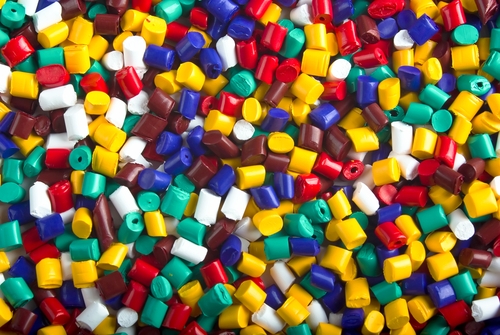
Masterbatch plays a pivotal role in enhancing the recyclability of plastics by incorporating various additives that improve physical and chemical properties. These specialized compounds facilitate the recycling processes by making materials easier to sort, process, and reuse. Companies leveraging masterbatch solutions can significantly reduce waste and improve the quality of recycled plastics, thereby promoting sustainability within the industry.
- Defining Masterbatch and Its Components
Masterbatch refers to concentrated mixtures of additives encapsulated during the manufacturing process, which are then combined with base plastic materials. These components include colorants, stabilizers, and performance-enhancing agents that optimize the final product’s characteristics. Utilizing masterbatch effectively modifies the base resin, enhancing its performance attributes while supporting recycling efforts.
- How Masterbatch Alters Material Properties for Better Recycling
Through the inclusion of specific additives, masterbatch effectively alters the mechanical, thermal, and chemical properties of plastics. Additives such as impact modifiers and chain extenders can improve flexibility and strength, making them easier to handle in recycling processes. Improved toughness minimizes breakage during collection and transportation, while additives that facilitate the degradation of undesirable contaminants lead to cleaner recyclate streams. These enhancements can lead to higher recycling yields and better quality, ultimately increasing the sustainability of the plastics lifecycle.
Addressing Common Recycling Challenges with Masterbatch Solutions
Challenges in the recycling process often hinder the overall efficiency and effectiveness of recycling initiatives. Masterbatch solutions provide targeted approaches to tackle these common issues, enhancing the viability of recycled materials. By incorporating specific additives and ensuring material compatibility, they can resolve many hurdles in the recycling landscape. With innovation at the forefront, these solutions pave the way for a more sustainable future, promoting an increase in recycling rates across various sectors.
- Overcoming Contamination Issues
Contamination in recycling streams can significantly reduce the quality of recycled materials. Masterbatch solutions equipped with additives can effectively neutralize or mitigate the effects of contaminants, preserving the integrity of the plastic. For instance, they can assist in breaking down colorants and impurities that generally degrade recycled output. This enhancement not only supports a higher quality end product but also encourages greater participation in recycling programs.
- Improving Compatibility Among Different Plastic Types
Compatibility challenges between various plastics often result in lower recycling rates as mixed materials can lead to inferior quality outputs. Masterbatch solutions address this issue by incorporating specially designed additives that promote the blending and processing of different polymers. This optimization is vital to enhance the performance of recycled materials, allowing for a diverse range of plastics to be processed together more effectively.
| Challenge | Masterbatch Solution |
| Contamination of plastics | Additives to neutralize contaminants |
| Material compatibility | Specially designed additives for blending |
| Poor mechanical properties | Performance enhancers in masterbatch |
| Color discrepancies | Color matching technologies |
Improving compatibility among different plastic types allows recyclers to combine materials that were previously deemed incompatible. Masterbatch technologies play a pivotal role by providing additives that enhance the cohesion of diverse polymers. This innovation not only expands the scope of recycling options but also increases the overall efficiency of the recycling process. As a result, recyclers benefit from a broader selection of materials, leading to higher quality recycled outputs and reducing waste in landfills.
- Perceiving the potential for enhanced recycling rates drives further investment in these solutions
Industries are looking for more intelligent, sustainable plastic solutions as a result of increased environmental consciousness. One of the main factors driving additional investment in recycling plastic masterbatch technology is the perception of the possibility for higher recycling rates. Through improved processing, color retention, and material integrity throughout several recycling cycles, these masterbatches are designed to increase the recyclability of plastic items.
Research and development of biodegradable additives, compatibilizers, and other environmentally friendly components is being fueled by the continually increasing investment in recycling-compatible masterbatches as more firms place a higher priority on sustainability. The landscape of plastic production is changing as a result of this change, which promotes the use of materials that increase product longevity and lessen environmental effect.
| Benefit | Result |
| Higher quality recycled materials | Greater market demand |
| Increased processing efficiency | Lower operational costs |
| Expanded recycling possibilities | Reduced environmental impact |
| Enhanced manufacturer acceptance | Stronger industry collaborations |
- Perceiving these advantages creates a stronger case for adopting masterbatch solutions within the recycling industry
When the benefits of recycling plastic masterbatch are recognized, such as increased processing effectiveness, improved material qualities, and greater color uniformity, the case for its use in the recycling sector is strengthened. By helping producers overcome typical recycling obstacles like deterioration and quality loss, these masterbatch solutions increase the viability of recycled plastics for high-performance applications. The importance of masterbatch is becoming more and more obvious as enterprises strive toward the objectives of the circular economy. These additives help achieve economic and environmental goals by improving the quality and usefulness of recycled plastics, promoting wider use across industries, and promoting sustainable innovation in plastic manufacture.
Innovations in Masterbatch Technology Driving Recycling Efforts

Innovations in masterbatch technology are revolutionizing the plastic recycling industry. Advanced formulations enhance the compatibility and functionality of recycled materials, making them more appealing to manufacturers. This progress is exemplified by the use of smart additives that can improve the mechanical properties of recycled plastics, thus promoting their use in various applications. Furthermore, advancements in material science are facilitating the development of masterbatches that enhance the overall efficiency of recycling processes.
- Advanced Colorants and Additives for Better Sorting
Through innovations in colorants and additives, recycling facilities can achieve better sorting of plastics. These advanced compounds allow for a more distinct identification of materials during processing. The following benefits are outlined below:
Benefits of Advanced Colorants
| Improved Detection | Enhanced visibility aids in sorting at recycling facilities. |
| Increased Efficiency | Faster processing times lead to reduced costs. |
| Compatibility | Enhances the quality and performance of recycled products. |
- Biodegradable Masterbatch Options and Sustainable Practices
The emergence of biodegradable masterbatch options represents a pivotal shift towards sustainability in the plastic industry. These masterbatches enable the production of plastics that break down more easily in the environment, addressing the growing concerns regarding plastic waste. By integrating materials derived from renewable resources, manufacturers can promote an environmentally friendly approach to product development.
In addition to reducing their negative effects on the environment, biodegradable masterbatch solutions help businesses meet their sustainability objectives. By combining conventional polymers with biodegradable additives, companies can create packaging solutions that satisfy customer needs while using fewer fossil fuels. Current developments in this field concentrate on accelerating these materials’ rates of degradation in order to produce a competitive substitute for traditional plastics that nevertheless fulfill performance requirements.
Economic Impacts of Utilizing Masterbatch in Recycling
Implementing masterbatch solutions in recycling has significant economic implications. By enhancing the quality and efficiency of recycled materials, companies can reduce the costs associated with traditional plastic production. The ability to create high-value, recycled plastics fosters a circular economy, allowing manufacturers to decrease dependency on virgin feedstocks and mitigating fluctuations in material prices. This shift not only promotes sustainability but also enhances profitability in the recycling sector.
- Cost-Benefit Analysis for Manufacturers and Recyclers
A comprehensive cost-benefit analysis reveals that adopting masterbatch technology can streamline processes for both manufacturers and recyclers. Initial investments in advanced masterbatch formulations can result in lower operational costs over time. Higher-quality recycled materials attract better market prices, effectively increasing revenue streams. Moreover, companies experience reduced waste disposal costs, thereby bolstering their dual focus on economic viability and environmental responsibility.
- The Potential for Job Creation in the Recycling Sector
The incorporation of masterbatch solutions in recycling presents substantial opportunities for job creation within the sector. As demand for high-quality recycled materials grows, so does the need for skilled personnel to manage the complexities of advanced recycling technologies. Educational institutions and training programs can emerge to equip workers with the necessary expertise, fostering a more robust workforce. This shift not only supports local economies but also addresses employment challenges prevalent in the post-pandemic world.
In fact, as an exmaple, in Indonesia, studies suggest that a 20% increase in plastic recycling rates fueled by innovative masterbatch solutions could create thousands of direct and indirect jobs nationally. As recycling plants expand their operations to accommodate high-quality outputs, roles in quality assurance, process engineering, and product development become necessary. Furthermore, the enlightening potential for ancillary businesses—such as logistics and waste management—emphasizes a long-term economic impact, contributing to sustainable growth across various sectors within the recycling industry.
Perspectives on Collaborations Within the Plastic Recycling Industry
Collaborations within the plastic recycling industry are important for leveraging expertise, resources, and technology to enhance recycling efforts. These partnerships can take many forms, including joint ventures, research initiatives, and shared recycling facilities, thereby promoting a collective approach to tackling plastic waste. With the consequences of plastic pollution becoming increasingly apparent, the need for integrated strategies that enhance operational efficiencies and recycling outcomes is becoming paramount.
- Partnerships Between Masterbatch Producers and Recyclers
Masterbatch producers and recyclers can significantly benefit from strategic partnerships that align their objectives and capabilities. For instance, collaborations enable recyclers to utilize specialized masterbatches that improve the performance of recycled materials. By sharing insights on material properties and recycling processes, they can develop solutions that enhance the purity and quality of recycled plastics, making them more marketable and suitable for diverse applications.
- The Role of Government and Policy in Supporting Innovations
Government involvement plays a pivotal role in fostering innovation within the plastic recycling sector. Policies that incentivize sustainable practices, such as tax breaks for companies utilizing recycled materials or grants for research on advanced recycling technologies, can accelerate growth in this area. Regulations promoting recycling targets also encourage industries to adopt innovative masterbatch solutions that enhance the recyclability of plastic products.
Specifically, policy frameworks like extended producer responsibility (EPR) compel manufacturers to take accountability for the lifecycle of their products, which elevates the demand for recyclable materials. Governments often facilitate funding for research and development of new technologies in recycling processes, enabling masterbatch producers to innovate more rapidly. Countries focusing on circular economy principles are leading the charge in integrating such innovations, ensuring that both policies and industry practices work in tandem to elevate plastic recycling rates effectively.
To wrap up
Now, he emphasizes the potential of masterbatch solutions in significantly improving plastic recycling rates. By optimizing the processing and enhancing the properties of recycled plastics, she allows brands to create more sustainable products. They recognize that innovation in masterbatch technology not only increases the viability of recycling efforts but also supports the broader goal of reducing plastic waste in the environment. As the industry evolves, he believes that these solutions will play a pivotal role in shaping a more sustainable future for plastic materials.