Table of Contents
Masterbatch plays a significant role in enhancing both the strength and color of plastic products. It is a concentrated mixture of additives, such as carbon black masterbatch, which is integrated into plastics during manufacturing. Emphasize that carbon black masterbatch not only improves mechanical properties but also provides UV protection and color stability. Pinned that this combination is particularly beneficial for manufacturers seeking durable and visually appealing products. By incorporating carbon black masterbatch, they can achieve an optimal balance of performance and aesthetic quality in their plastic applications.
The Role of Carbon Black Masterbatch in Polymer Chemistry
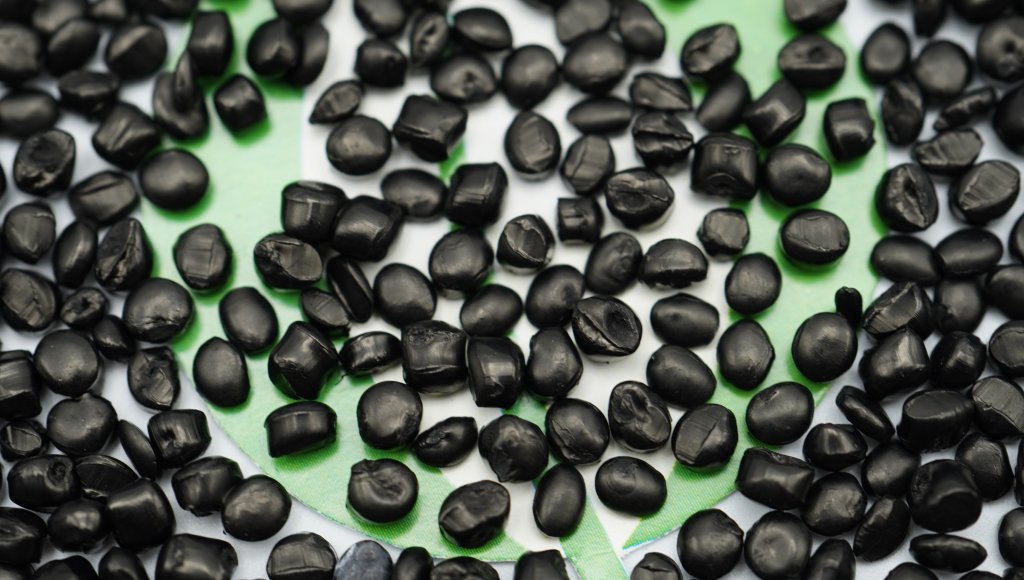
Carbon black masterbatch serves as a vital component in polymer chemistry, effectively modifying the physical and chemical properties of plastics. This material reduces light transmission, enhancing UV stability and protecting polymers from degradation. Furthermore, carbon black’s conductive properties can be utilized to enhance electrical conductivity in specific applications, catering to the needs of industries such as electronics and automotive. Through well-defined processes, it integrates seamlessly with various polymer matrices, resulting in improved formulations that fulfill diverse industrial requirements.
- How Carbon Black Enhances Polymer Properties
Carbon black not only reinforces mechanical strength in plastics but also plays a pivotal role in optimizing thermal and electrical conductivity. By incorporating carbon black, manufacturers can significantly improve tensile strength, impact resistance, and flexibility of the final product. Additionally, its colorant properties enable vibrant hues and consistency, leading to aesthetic enhancements. The versatility of carbon black allows it to cater to a wide array of applications, from automotive components to consumer goods, where both performance and appearance are paramount.
- The Relationship Between Particle Size and Performance
The performance of carbon black in plastics is intricately linked to its particle size. Smaller particles typically provide a greater surface area, enhancing the interaction with the polymer matrix. This leads to improved mechanical properties and a more uniform dispersion, which is key for achieving consistent color and strength. Conversely, larger particles can reduce the strength-enhancing effects and may result in undesirable visual textures within the final product.
Examining the relationship between particle size and performance, it becomes evident that fine carbon black offers advantages such as enhanced strength and improved pigment concentration. A study indicated that reducing particle size could improve tensile strength by up to 30%. Additionally, smaller particles form better, more uniform dispersions within the polymer matrix, minimizing the risk of agglomeration that can compromise the final product’s integrity. On the other hand, manufacturers often find that larger particles might achieve a darker color but could detract from the overall mechanical performance.
Achieving Superior Strength: The Mechanics of Reinforcement

Carbon black serves as a highly effective reinforcement agent within various plastic formulations. By incorporating carbon black masterbatch, manufacturers can significantly enhance the mechanical properties of plastics, resulting in products that not only meet industry standards but also outperform competitors in strength and durability. This mechanical reinforcement leads to improved load-bearing capabilities, effectively turning standard plastics into high-performance materials ready to withstand the stresses of diverse applications.
- Enhancing Tensile Strength through Carbon Black
Incorporating carbon black into plastic matrices substantially boosts tensile strength. With its unique physical structure and chemistry, carbon black disperses evenly throughout the polymer, creating a robust network that enhances molecular bonds. This improvement in bond strength increases a material’s ability to resist elongation and breakage under stress. Case studies have shown that using carbon black can nearly double the tensile strength of certain plastics, making them suitable for high-stress applications.
- Impact Resistance and Durability Improvements
Impact resistance is another critical area where carbon black masterbatch excels. The addition of carbon black not only strengthens the internal structure of the plastic but also increases its resistance to shock and fatigue. This results in materials that can withstand sudden impacts without fracturing or deforming, which is necessary in products exposed to harsh environments or heavy usage.
Impact resistance and durability improvements through carbon black are particularly notable in applications like automotive and construction materials. For example, plastics used in automotive exterior parts benefit significantly from added carbon black, which helps absorb shocks during accidents, reducing the risk of damage. In construction, carbon black-filled plastics display enhanced resilience against environmental factors such as UV radiation and temperature fluctuations, prolonging the lifespan of materials. Overall, the integration of carbon black enhances both the reliability and longevity of plastic products in demanding applications.
Color Mastery: The Aesthetic Benefits of Carbon Black
Carbon black not only enhances the structural integrity of plastics but also plays a pivotal role in their aesthetic appeal. By imparting an intense black hue, it enhances the visual quality of plastic products, making them more appealing to consumers. This rich pigmentation allows for versatile design options, enabling manufacturers to create products that stand out in competitive markets. Furthermore, the ability to control the depth of color through the amount of carbon black used allows for customization, resulting in products that align with brand identities and consumer preferences.
- The Science Behind Coloration and Light Absorption
The remarkable coloration provided by carbon black is due to its unique properties that enable it to absorb a broad spectrum of light. This phenomenon partly stems from its structure, which consists of small particles that possess an extensive surface area. When incorporated into plastics, carbon black can reflect or absorb light, allowing for deep, consistent coloring that is often unattainable with other pigments. The extensive light absorption capacity also contributes to energy efficiency in applications requiring UV protection, as the darker shades help block harmful rays, enhancing the longevity of plastic products.
- Achieving Consistency and Uniformity in Plastics
Uniform coloration is vital for maintaining the aesthetic appeal and marketability of plastic products. Carbon black ensures that every batch of plastic maintains consistent color through its excellent dispersibility. Its properties enable uniform distribution throughout the polymer matrix, negating the risk of unsightly color variations. Achieving consistency not only meets quality standards but also fosters consumer trust in the product, leading to improved brand loyalty.
By adopting advanced mixing and processing techniques, manufacturers can further enhance the uniformity of their products. For instance, utilizing high-shear mixers during production helps to evenly distribute carbon black at the molecular level. This approach minimizes clumping and ensures that the black pigment is blended thoroughly into the plastic matrix. Enhanced consistency results in a smoother aesthetic across all products, thus meeting stringent regulatory requirements while also satisfying consumer expectations for quality and appearance.
Economic Implications of Using Carbon Black Masterbatch
The integration of carbon black masterbatch into manufacturing processes presents significant economic advantages. Companies can optimize production efficiency while maintaining high-quality standards. By reducing the reliance on multiple colorant and reinforcement additives, manufacturers streamline their supply chains and minimize operational costs associated with inventory management and material procurement.
- Cost Efficiency in Manufacturing Processes
Implementing carbon black masterbatch results in lower overall production costs. Through its dual role as a colorant and strength enhancer, it simplifies formulation processes and minimizes waste. Companies can achieve consistent color and strength in their final products, reducing the likelihood of defects that often lead to costly rework and scrap.
- Long-term Value and Sustainability Benefits
The long-term value of incorporating carbon black masterbatch into plastic products manifests in enhanced durability and performance. These characteristics not only extend product life, reducing the frequency of replacements but also align with sustainability goals. Companies utilizing carbon black can appeal to environmentally conscious consumers and comply with increasingly stringent regulatory standards.
Furthermore, the increased strength and durability of products made with carbon black masterbatch contribute to sustainability by decreasing the need for frequent replacements, which lowers overall resource consumption. Manufacturers benefit from reduced environmental footprints as they shift towards utilizing fewer materials over time, promoting a circular economy. This approach can enhance brand reputation and customer loyalty, as companies that prioritize sustainability often see increased market share in a consumer landscape that values eco-friendliness.
Future Trends in Carbon Black Masterbatch for Plastics
The landscape of carbon black masterbatch is evolving with a strong focus on sustainability, performance, and versatility. Innovations in formulation and production techniques promise to enhance the compatibility of carbon black with various plastic resins, opening new opportunities for manufacturers seeking to optimize both the strength and aesthetics of their products. Additionally, the potential integration of smart technologies in masterbatch materials may lead to groundbreaking advancements in functionality and application.
- Innovations in Carbon Black Technology
Recent advancements in carbon black technology are paving the way for higher efficiency and performance. Developments include the engineering of tailored carbon black grades that specifically target enhanced dispersion and compatibility with a wider range of polymers, allowing for improved end-product properties. Furthermore, the introduction of advanced manufacturing processes, such as controlled particle morphology, is set to minimize the environmental impact while maximizing utility in various applications.
- Environmental Considerations and Alternatives
The pressing need for sustainable practices has raised significant discourse around the environmental impact of traditional carbon black production. Innovative alternatives, including bio-based carbon blacks and recovery methods from industrial by-products, are gaining traction. These alternatives not only aim to reduce carbon footprints but also provide manufacturers with the ability to meet stringent regulations while maintaining performance standards in plastics.
Exploration of eco-friendly substitutes for conventional carbon black is accelerating, driven by a shift in consumer preferences towards greener products. Efforts to develop biochar, derived from renewable resources, highlight the industry’s commitment to sustainability. Companies are also investing in advanced recycling techniques that not only recapture carbon black from post-consumer waste but also turn it into high-performance masterbatch, thereby closing the loop and fostering a circular economy. These advancements not only align with environmental regulations but also genuinely appeal to increasingly eco-conscious consumers.
Conclusion
From above, it is clear that carbon black masterbatch plays a significant role in enhancing the strength and color of plastics. He benefits from its ability to increase the durability of plastic products while providing deep, vibrant hues that appeal to consumers. Acknowledge its contribution to UV protection, ensuring longevity in various applications. They find that incorporating carbon black masterbatch not only improves mechanical properties but also enhances aesthetic value. Thus, carbon black masterbatch proves to be an crucial additive in the plastics industry, elevating product performance and visual appeal simultaneously.