Table of Contents
The performance of BOPP films, which are frequently used in packaging and labeling applications, is improved in large part by masterbatch technology. In this guide, you will explore the various aspects of BOPP film masterbatch guide, focusing on how they can improve clarity, toughness, and barrier performance. You will explore into the different types of additives utilized in masterbatch formulations and their impact on film characteristics. Choose masterbatches to satisfy certain application requirements and performance criteria by being aware of these factors.
The Chemistry of Clarity: BOPP Film Masterbatch Guide

Understanding the chemistry behind BOPP film masterbatch reveals the intricate balance between its primary components that contribute to outstanding optical properties. Polypropylene serves as the backbone of the film, while various additives amplify the clarity, allowing for improved light transmission and visual appeal. This interplay of materials ultimately determines the quality and application effectiveness of BOPP films in diverse industries.
- Role of Polypropylene in Film Clarity
Polypropylene, as the fundamental polymer in BOPP films, contributes significantly to their inherent clarity and lightweight properties. Its molecular structure enables a high degree of transparency, facilitating optimal light passage. Being a semi-crystalline polymer, polypropylene’s characteristics can be further enhanced through specific processing techniques, resulting in films that exhibit exceptional clarity alongside required mechanical strength.
- Impact of Additives on Optical Properties
Additives play a vital role in modifying the optical properties of BOPP films, enhancing clarity and light transmission. Optical brighteners, for instance, absorb ultraviolet light and re-emit it as a visible glow, thereby improving the perceived brightness of the film. Furthermore, certain plasticizers and fillers can adjust light refraction rates, leading to superior clarity without sacrificing film thickness or integrity. For example, the inclusion of nano-sized calcium carbonate has been shown to bolster both opacity and processing performance, providing a compelling advantage in the competitive packaging market.
Toughness Redefined: Enhancing Durability through Masterbatch Innovation
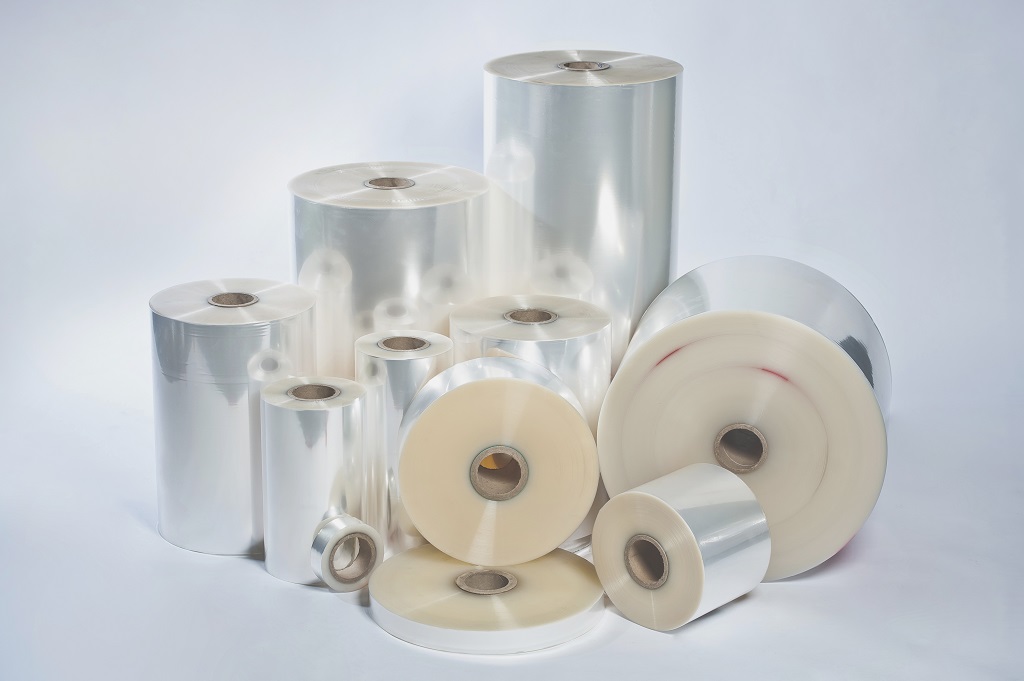
Masterbatch innovation in BOPP films focuses on enhancing toughness and durability to meet industrial demands. Improved formulations incorporate high-performance additives that significantly raise the impact resistance of films and reduce brittleness during varying temperature conditions. By utilizing specialized polymers and processing techniques, manufacturers can achieve a delicate balance that results in films capable of withstanding everyday stresses while maintaining superior clarity and pliability.
- Techniques for Improving Impact Resistance
Various techniques are employed to enhance impact resistance in BOPP films through masterbatch formulations. One effective method involves integrating specialized impact modifiers, such as ethylene-vinyl acetate (EVA) or elastomers, which improve energy absorption upon impact. Additionally, optimizing processing conditions, such as temperature and shear rates, can help distribute additives uniformly, maximizing their effectiveness. The result is a film that can endure greater stress without compromising its overall integrity.
- The Balance Between Flexibility and Strength
Striking a balance between flexibility and strength is imperative in BOPP film masterbatch development. Flexibility allows films to withstand bending and stretching without breaking, while sufficient strength is necessary to resist punctures and tearing. To achieve this equilibrium, formulators often manipulate the ratio of various polymers and additives, allowing for customized performance characteristics tailored to specific applications. This balance ensures that films can perform under pressure without sacrificing their longevity or clarity.
The balance between flexibility and strength often dictates the operational effectiveness of BOPP films in various applications. For instance, films used in packaging for food items require both flexibility for easy handling and strength against physical damage during transport. Formulators may leverage blends of polyolefins and additives that enhance tensile strength, allowing the final product to resist tears while still being pliable. This nuanced approach can yield films that not only protect their contents but also maintain their visual appeal, thereby fulfilling both practical and aesthetic expectations in the marketplace.
Barrier Breakthroughs: Advancing Moisture and Oxygen Resistance
Innovations in barrier technology have transformed BOPP films, enhancing their ability to resist moisture and oxygen infiltration. These advancements result in extended shelf life for packaged goods, especially in the food industry, where maintaining freshness is paramount. By integrating advanced coatings and incorporating specific additives, manufacturers achieve superior barrier properties without compromising clarity or toughness.
- The Significance of Barrier Technology in Packaging
Barrier technology plays a pivotal role in preserving product integrity, especially in flexible packaging applications. It protects against environmental factors like moisture, oxygen, and odors, significantly impacting food safety and quality. Enhanced barrier properties in BOPP films not only improve product shelf life but also reduce food waste, directly benefiting both consumers and manufacturers.
- Innovations in Enhancing Film Barrier Properties
Recent advancements in enhancing BOPP film barriers include the development of multilayer structures and the use of nanomaterials. These innovations allow for a significant increase in both moisture and oxygen resistance, achieving levels previously unattainable with standard films. For instance, incorporating nanoclays within the film matrix can create a tortuous path for gas molecules, drastically reducing permeability. Manufacturers are now exploring bio-based barriers, promising a sustainable alternative while maintaining performance. This holistic approach ensures that BOPP films meet the evolving demands of the packaging industry.
Application Spotlight: Industries Transforming with BOPP Film
BOPP film is making waves across a variety of industries, providing innovative solutions that boost performance and efficiency. From food packaging to textile applications, BOPP film has become a game changer, delivering advantages like enhanced mechanical properties, barrier performance, and clarity. As industries continue to embrace these benefits, the demand for BOPP film is accelerating, creating new opportunities for growth and development.
- Food Packaging: Elevating Freshness and Shelf Life
BOPP film has revolutionized food packaging, dramatically extending freshness and shelf life. With its excellent barrier properties against moisture, oxygen, and UV light, it reduces spoilage and waste. Companies in the food sector utilize BOPP film for products ranging from snacks to perishables, increasing both consumer satisfaction and product viability in the marketplace.
- Non-Food Applications Driving Market Growth
The versatility of BOPP film extends beyond food packaging, infiltrating sectors like personal care, medical supplies, and consumer goods. This broadened application range has led to significant market growth, as manufacturers increasingly seek packaging solutions that offer strength and visual appeal. BOPP film provides desirable properties such as graphics quality and printability, crucial for brands looking to stand out on crowded shelves.
In recent years, the non-food applications of BOPP film have seen robust demand, particularly in industries like cosmetics and pharmaceuticals. For instance, the rise in eco-friendly and sustainable packaging options has compelled companies to opt for BOPP film due to its recyclability. Furthermore, innovations such as antimicrobial coatings integrated within BOPP films attract industries focused on safety and cleanliness, paving the way for new developments and partnerships in the market.
Sustainability in Focus: Eco-Friendly Alternatives in BOPP Masterbatches
Commitment to sustainability is becoming a pivotal aspect of BOPP film production. As industries increasingly prioritize eco-friendly practices, manufacturers are exploring alternatives that minimize environmental impact while maintaining performance. Innovations in biodegradable materials and waste reduction strategies are paving the way for greener BOPP masterbatch solutions.
- Biodegradable Masterbatch Solutions
Biodegradable masterbatches are emerging as a viable alternative to traditional plastics, allowing BOPP films to decompose under specific environmental conditions. These solutions typically incorporate organic additives that break down more easily compared to their conventional counterparts. For example, some biodegradable masterbatches enable films to degrade within three to five years in composting environments, significantly lessening long-term waste accumulation.
- Lifecycle Assessment of BOPP Film Products
Evaluating the lifecycle of BOPP film products provides a comprehensive view of their environmental impact, from raw material extraction to end-of-life disposal. Lifecycle assessments (LCA) quantify emissions and resource consumption at each production stage, delivering insights into sustainability improvements. Specific studies have shown that by optimizing production processes and incorporating recycled materials, companies can substantially reduce their carbon footprint while enhancing product performance.
The lifecycle assessment of BOPP film products signifies an emerging trend toward quantifying sustainability in the packaging industry. By analyzing energy use, emissions, and waste across various stages, manufacturers are equipped to identify key areas for environmental improvement. Notably, one study indicated that utilizing recycled polypropylene in BOPP production can cut overall energy consumption by up to 30%. Implementing these insights not only aids in producing sustainably, but also meets increasing regulatory demands and consumer preferences for environmentally responsible products.
Final Words
Following this guide, professionals can effectively enhance BOPP film performance through the strategic use of masterbatch. By focusing on clarity, toughness, and barrier properties, they can tailor film formulations that meet specific industry needs. Understand the significance of proper selection and application of masterbatches to achieve desired characteristics while optimizing production efficiency. With the right knowledge and tools, they are well-equipped to elevate their BOPP film products to new standards of quality and performance.