Table of Contents
With increasing demands for efficient plastic molding operations, you need reliable solutions to combat common production challenges. The size of the global mold release agent market was estimated at USD 2.07 billion in 2023, and it is expected to increase at a compound annual growth rate (CAGR) of 6.2% between 2024 and 2030. The expansion of the manufacturing, transportation, and construction sectors in emerging economies has enormous potential for the industry.
The need for mold-releasing agents is expected to increase as these developing countries rapidly modernize and prosper. Adding mold release agent masterbatch to your manufacturing workflow can greatly enhance your molding process. This unique additive helps you decrease sticking problems, increase overall production efficiency, and lessen the force needed to eject pieces. You’ll see less wear on your mold surfaces, fewer flaws, and a smoother part release if you incorporate these masterbatches into your process.
The Key Divide: Internal vs External Release Agents
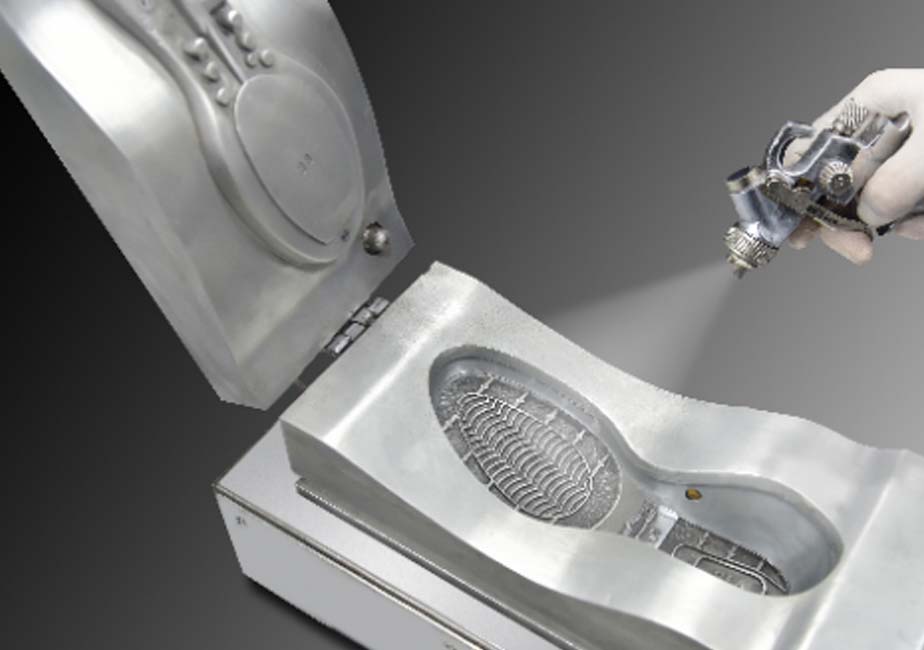
Release agents fall into two distinct categories: internal agents mixed directly into the polymer matrix, and external agents applied as coatings to mold surfaces. Internal agents migrate to the part surface during processing, creating a microscopic barrier layer. The molding compound is immediately supplemented with internal mold release agents. Internal mold release agents lower costs and boost productivity because they don’t need to be constantly reapplied to the mold. There are mostly internal mold release agents, e.g., metal soaps, amine carboxylates, amides, etc.
External agents form a temporary film between the mold and polymer through spraying or wiping application methods. Zinc stearate, aluminum stearate, fluorocarbons, and silicones are examples of external mold release or parting agents that are placed to the mold cavity’s surface (typically by spraying) to create a release coating that makes component removal easier.
- Mechanisms of Release
The release process relies on creating low surface energy interfaces that prevent polymer adhesion to mold walls. Internal agents work through controlled migration and blooming to the surface during molding, while external agents establish a physical barrier film. Both types leverage chemical incompatibility between the release material and polymer to enable clean part ejection with minimal force.
Based on research, mold release agents work by reaching the surface between the tool and the plastic. Some fluoropolymers, for example, have a strong affinity for the die or mold surface but do not mix or dissolve well in the polymer. Other mold release agents dissolve in heated polymers but separate from the solution when the polymer is extruded or molded.
- Application Suitability for Various Molds
Your mold geometry and part complexity guide the choice between internal and external release agents. Internal agents excel with deep draws, tight undercuts, and intricate details where spray application proves difficult. External agents better suit open-faced molds, simple geometries, and situations requiring frequent release agent changes.
For optimal results, match the release agent type to your specific molding parameters. Internal agents provide consistent release through multiple cycles without reapplication but may affect surface finish. External agents offer more flexibility in changing release properties between runs but require regular maintenance. Complex molds often benefit from combining both approaches – using internal agents for baseline release and external agents for problematic areas.
Strategic Deployment: Where Release Agents Make the Most Impact

Release agent masterbatches deliver maximum value when strategically deployed in high-volume production environments where even minor efficiency gains translate into significant operational benefits. The targeted application of these additives in challenging molding scenarios helps manufacturers maintain consistent quality while reducing cycle times and maintenance needs.
- Critical Applications in Caps, Crates, and Closures
Your caps and closures production lines benefit substantially from release agent masterbatches, particularly in high-cavity molds where sticking issues can cascade into major disruptions. Beverage caps, flip-top closures, and industrial container lids show 30-40% reduction in ejection force when proper release agents are incorporated. Plastic crates and containers with deep draws or complex geometries similarly demonstrate improved release characteristics and fewer surface defects.
- Enhancing Productivity Through Targeted Use
By focusing release agent deployment on your most challenging applications, you’ll maximize return on investment while optimizing material usage. Start with molds showing frequent sticking issues or those requiring excessive release spray. Monitor cycle times and reject rates to quantify improvements and adjust concentrations accordingly.
The data shows release agent masterbatches typically reduce cycle times by 15-20% in optimized applications. Your production efficiency gains come from multiple factors: faster part ejection, fewer stuck parts, reduced mold cleaning frequency, and lower scrap rates. Many manufacturers report payback periods of 3-6 months when implementing release agents in their most problematic molding operations. Testing different concentrations helps you find the sweet spot between material costs and productivity benefits.
Chemistry in Action: Dosing Ranges and Common Formulations
- Navigating Silicone, Wax, and Amide Options
Silicone-based masterbatches typically require dosing levels of 0.5-3%, while wax formulations need 1-5% loading rates. Fatty acid amides work best at 2-4% concentration. Your specific application determines the optimal chemistry – silicones excel in high-temperature applications above 200°C, waxes provide excellent surface finish at 150-180°C, and amides offer balanced performance across 160-200°C processing windows.
- Optimizing Performance with the Right Chemistry
Match your mold release masterbatch chemistry to your polymer matrix for maximum compatibility. Polypropylene-based carriers work best with polyolefins, while EVA carriers suit engineering resins. The release agent’s molecular weight must align with your processing temperature – higher temperatures demand more thermally stable chemistries to prevent degradation and maintain consistent release properties.
Your processing parameters directly influence masterbatch performance. Running temperatures 20-30°C above the release agent’s melting point ensures proper migration to the surface. Screw speeds affect distribution – moderate RPMs of 150-250 allow optimal dispersion without degradation. Mold temperature control within ±5°C of target helps maintain consistent release properties across production runs. Testing different combinations of carrier resins, active ingredients, and processing conditions helps identify the ideal formulation for your specific application.
Accelerating Efficiency: Influence on Cycle Time and Ejector Settings
- Balancing Speed and Quality
Mold release masterbatch allows you to reduce cycle times by up to 15% while maintaining part quality. The reduced friction during ejection means parts can be released faster and with less cooling time. Your production rates benefit from quicker mold opening and closing sequences, as the release agent prevents sticking that typically slows down automated processes. This optimization particularly shines in high-volume production where even small time savings multiply into significant efficiency gains.
- Adjusting Ejector Settings for Optimal Results
The addition of mold release masterbatch enables you to fine-tune your ejector settings for smoother operation. Lower ejection forces mean you can reduce hydraulic pressure settings by 20-30%, decreasing wear on both molds and machinery. Your ejector pins can operate with shorter strokes and faster return times, contributing to overall cycle optimization.
Fine-tuning your ejector settings starts with reducing the pressure in 5% increments while monitoring part quality. You’ll find the sweet spot where ejection remains consistent but doesn’t apply excessive force. Set your ejector return speed 10-15% faster than standard settings, as parts will release more readily. Monitor pin marks and surface finish quality during the first 50-100 cycles to ensure optimal results. Many molders report success with ejector delays reduced by 0.5-1 second when using release masterbatch effectively.
Mold Release Agent Masterbatch: Energy and Adhesion Considerations
Surface energy directly impacts how plastic parts interact with molds, labels, and coatings. Lower surface energy reduces sticking but can affect downstream processes like printing and decorating. The key lies in finding the optimal balance – you’ll want just enough release properties to prevent sticking while maintaining sufficient surface energy for secondary operations. Modern mold release masterbatches let you fine-tune this balance through precise dosing.
- Measuring Surface Energy for Greater Success
Testing surface energy through dyne pens or contact angle measurements helps you dial in the perfect release agent levels. Your target surface energy typically ranges from 38-42 dynes/cm for most applications. Regular testing during production runs allows you to maintain consistency and catch any variations before they impact part quality or downstream processes.
- Ensuring Effective Print and Label Adhesion
While mold release agents reduce surface energy to prevent sticking, you’ll need to maintain minimum levels for decoration. Standard pad printing requires 38-40 dynes/cm, while hot stamping needs 40-42 dynes/cm. Testing surface energy before decorating helps predict adhesion success and prevents costly rework.
Surface treatment methods like corona, plasma, or flame treatment can boost surface energy when needed. For example, corona treatment can increase surface energy by 8-12 dynes/cm, making previously unprintable surfaces ready for decoration. You can also adjust mold release dosing or switch to specialized grades that offer better print adhesion while maintaining release properties. Regular testing of treated surfaces ensures treatment effectiveness hasn’t degraded before printing begins.
Maintaining Standards: Food Contact Compliance and Odor Testing
- Best Practices for Food-Contact Materials
Food-grade mold release masterbatches must meet FDA 21 CFR and EU 10/2011 regulations for direct food contact. Your selection should focus on masterbatches containing approved polyethylene carriers and food-grade additives at permitted usage levels. Regular migration testing ensures compliance with specific migration limits (SMLs) for individual substances and overall migration limits (OMLs) of 10 mg/dm². Documentation of compliance through declarations of conformity provides assurance for your food packaging applications.
- Conducting Successful Odor and Taste Evaluations
Sensory evaluation follows standardized protocols like DIN 10955 and Robinson testing to detect any impact on food products. Your testing panel should assess molded parts at different temperatures and exposure times, rating odor intensity on a defined scale. Common benchmarks require scores below 2.0 on a 4-point intensity scale for food packaging applications.
Testing methodology involves conditioning samples at 23°C and 50% relative humidity for 24 hours before evaluation. Your trained panel members examine specimens individually in odor-free rooms, with controlled air circulation and lighting. Between assessments, panel members use coffee beans as olfactory palate cleansers. Results are documented using standardized evaluation forms that track intensity, character, and acceptability ratings. This systematic approach helps you validate that your masterbatch-containing products meet sensory requirements for food contact applications.
Proactive Strategies: Build-Up Prevention and Cleaning Protocols
- Regular Maintenance Routines
Implementing systematic cleaning schedules with your mold release masterbatch prevents residue accumulation and maintains optimal performance. Schedule brief cleanings every 500-1000 shots using specialized mold cleaners compatible with your masterbatch formula. This proactive approach reduces unplanned downtime and keeps ejection forces consistently low. Monthly deep cleaning sessions help remove any stubborn deposits before they impact part quality.
- Solutions for Persistent Mold Build-Up
Tackling stubborn build-up requires a multi-faceted approach combining mechanical and chemical cleaning methods. Use ultrasonic cleaning systems for intricate mold surfaces while applying targeted solvents for polymer residue removal. Modern mold release masterbatches contain anti-stick additives that actively prevent deposit formation, reducing cleaning frequency by up to 40%.
The latest generation of mold release masterbatches incorporates self-cleaning additives that continuously work during production. These additives create a microscopic barrier between the mold surface and molten polymer, preventing material adhesion at the molecular level. Testing shows this technology can extend cleaning intervals by 2-3 times compared to conventional release agents. For maximum effectiveness, pair these advanced formulations with automated mold cleaning systems that maintain consistent surface conditions throughout extended production runs.
Metrics that Matter: Key Performance Indicators to Monitor
Measuring the effectiveness of mold release masterbatch implementation requires tracking specific performance indicators that directly impact your production efficiency and bottom line. Focus on metrics like cycle time reduction, reject rates, and planned versus unplanned downtime to quantify improvements and identify areas needing optimization.
- Tracking Reject Rates and Cycle Times
Monitor your reject rates before and after implementing mold release masterbatch to measure quality improvements. Track cycle times across different product runs, noting reductions in cooling time and easier part ejection. Your quality control team should document surface finish consistency, while operators log any instances of sticking or release issues. This data helps optimize masterbatch concentrations and processing parameters.
- Minimizing Downtime Through Continuous Improvement
Regular analysis of production data reveals patterns in mold maintenance needs and cleaning frequency. By tracking these metrics, you can schedule preventive maintenance during planned downtimes rather than facing unexpected production stops. Your maintenance intervals typically extend by 30-50% when using mold release masterbatch effectively.
Establish a systematic approach to data collection and analysis. Document cleaning cycles, mold wear patterns, and production interruptions in detail. Create benchmarks for optimal performance and set trigger points for maintenance actions. Your operators should maintain detailed logs of any release-related issues, allowing process engineers to fine-tune masterbatch concentrations and processing parameters. This proactive stance often results in maintenance cost reductions of up to 25% while extending mold life by 15-20%.
Final Words
By taking these factors into account, you can use mold release agent masterbatch solutions to greatly improve your molding processes. As you see shorter cycle times and lower part rejection rates, your production efficiency will increase. You can safeguard your mold surface and achieve consistent release performance by choosing the right masterbatch concentration and keeping the right processing conditions. By reducing maintenance needs and enhancing product quality, this investment not only optimizes your production process but also yields long-term cost savings.