Table of Contents
Manufacturers can improve the mechanical qualities of their products by using Masterbatch, a very effective additive solution in the plastics sector. Masterbatch solutions optimize performance attributes by enhancing strength, flexibility, and durability through the use of diverse formulas. To ensure that their final products fulfill industry standards and client expectations, engineers can customize material properties to meet specific application demands by integrating customized masterbatches. This blog post examines the variety of masterbatch solutions that are available and how they enhance mechanical performance in a range of applications.
Essential Additives Driving Mechanical Enhancements
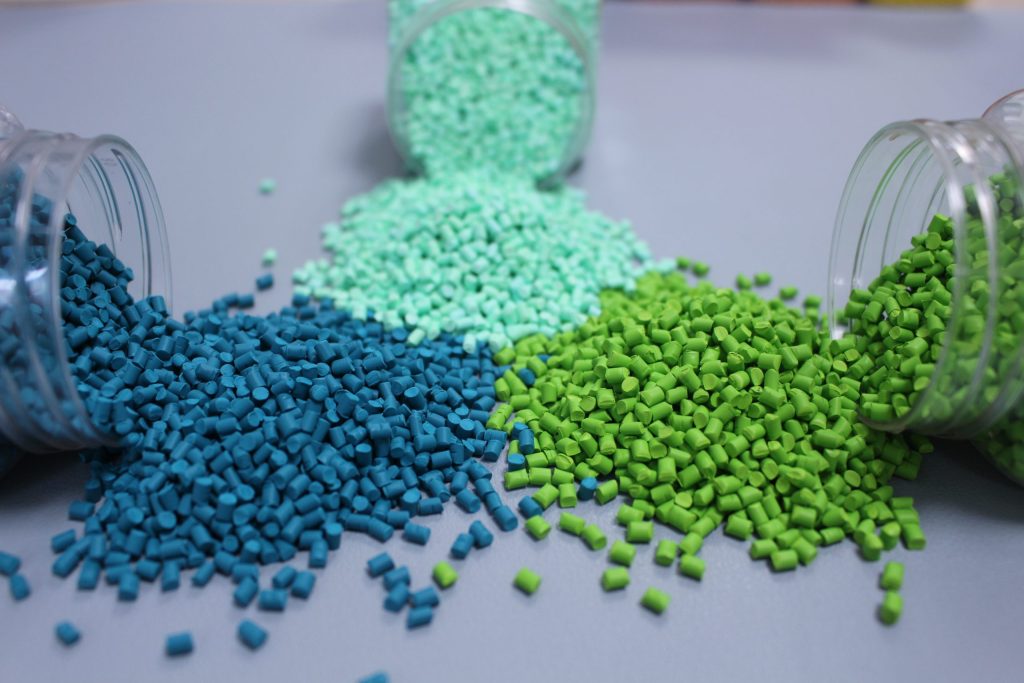
Incorporating important additives into masterbatches significantly enhances the mechanical properties of polymer materials. These additives, including fillers, impact modifiers, and colorants, can improve strength, flexibility, and overall performance. A carefully chosen blend allows manufacturers to tailor products to meet specific demands, ensuring durability and functionality while optimizing production efficiency. The right combination not only drives cost-effectiveness but also elevates product quality to meet evolving industry standards.
- Role of Fillers in Strengthening Materials
Fillers play a vital role in reinforcing materials by improving mechanical strength and stiffness. Commonly used fillers such as talc, calcium carbonate, and glass fibers act as a strengthening agent within polymer matrices. By increasing tensile strength and reducing the weight of the final product, fillers contribute to enhanced performance without compromising on flexibility. They also optimize production processes by lowering overall material costs while yielding superior characteristics in the finished product.
- Impact of Colorants on Performance Attributes
Colorants, while primarily used for aesthetic purposes, also influence the mechanical properties of plastics. Certain pigments can enhance UV resistance, thermal stability, and even impact resistance, depending on their chemical composition. By selecting specific colorants, manufacturers can not only achieve desired visual appeal but also improve the longevity and durability of the material in various environmental conditions. This dual function of colorants adds substantial value, particularly in applications where both appearance and performance are critical.
Pigments like carbon black have been shown to significantly improve UV stability, ensuring that products maintain their integrity over extended periods of outdoor exposure. For instance, adding specific blue or green colorants can enhance the thermal properties of the plastic, helping to reflect heat and reduce warping in high-temperature environments. This multifaceted role of colorants positions them as an important element in creating high-performance materials, allowing for a broader range of applications without sacrificing style for substance.
Tailoring Polymeric Structures Using Masterbatches
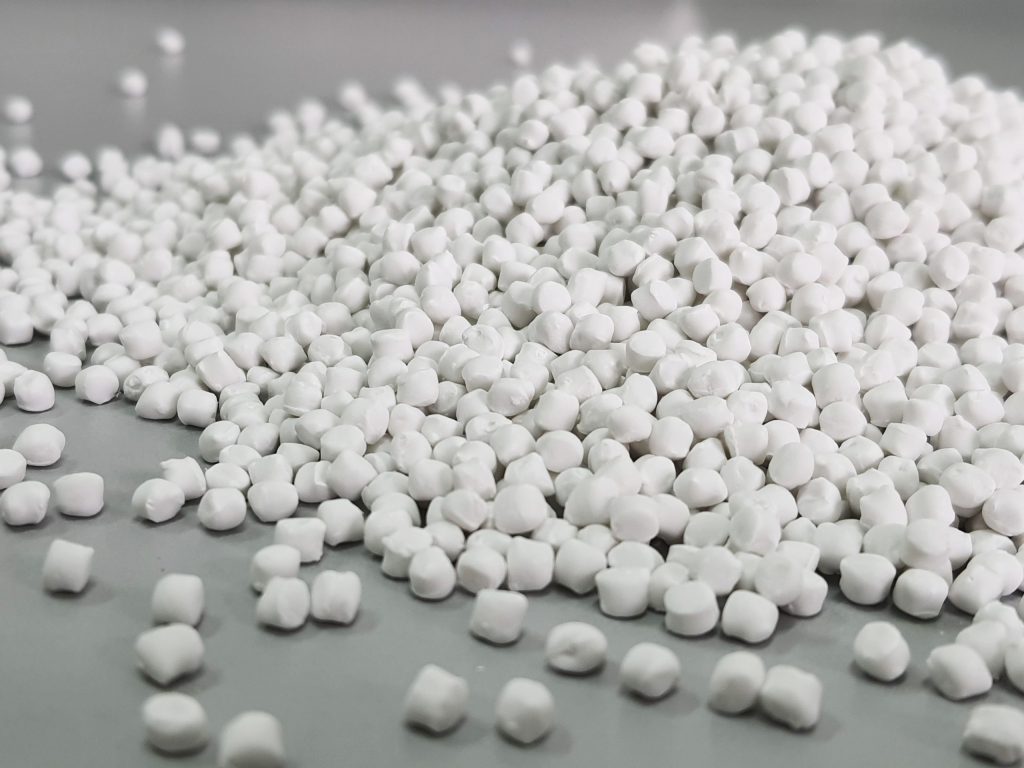
Masterbatches have revolutionized the way polymeric structures are tailored, providing manufacturers the ability to mix and match various additives to achieve specific characteristics. This process allows for fine-tuning of properties such as strength, flexibility, and thermal resistance, leading to enhanced performance in diverse applications. By utilizing carefully formulated masterbatches, manufacturers can meet stringent performance criteria and streamline production processes, ultimately reducing costs and improving product longevity.
- Custom Formulations for Targeted Applications
Custom formulations utilizing masterbatches can address the needs of specific applications such as packaging, automotive, and medical devices. For instance, the incorporation of impact modifiers and UV stabilizers can enhance durability and lifespan in outdoor applications. This targeted approach enables manufacturers to optimize their products’ mechanical properties while simultaneously meeting required industry standards.
- The Synergy of Polymer Blending and Masterbatches
The combination of polymer blending and masterbatches creates a powerful synergy that enhances the mechanical properties of final products. This technique involves the blending of different types of polymers to achieve desired physical characteristics, while masterbatches allow for the easy integration of additives into the mix. By varying the ratios of polymers and selecting appropriate masterbatches, engineers can create materials with tailored toughness, elasticity, and other crucial qualities that cater to specific industrial demands. For example, combining polypropylene with ethylene copolymer using a masterbatch containing glass fibers can yield a composite with significantly improved tensile strength and impact resistance for automotive sector, showcasing this synergistic potential.
The Role of Processing Techniques in Property Improvement
Processing techniques significantly influence the mechanical properties of masterbatches. Specific methodologies, such as mixing, compounding, and extrusion, are meticulously optimized to enhance the dispersion of additives, leading to improved tensile strength, flexibility, and impact resistance. Utilizing advanced processing parameters allows manufacturers to tailor the characteristics of the final product, achieving superior performance in various applications.
- Innovations in Compounding and Extrusion
Recent advancements in compounding and extrusion technologies have greatly enhanced the mechanical performance of masterbatches. Devices featuring precise control of temperature and shear forces ensure thorough mixing of polymers and additives, which results in a uniform distribution. Innovations such as twin-screw extruders are now commonplace, allowing for optimized throughput and better pigment dispersion, contributing to overall product robustness.
- Effect of Thermal Treatments on Mechanical Qualities
Thermal treatments play a pivotal role in refining the mechanical properties of masterbatches. By applying controlled heat post-processing, facilitate crystallization or improve polymer chain alignment, which ultimately enhances tensile strength and thermal stability. Understanding the interplay between temperature and material composition allows for tailoring properties to specific application requirements.
Thermal treatments involve processes such as annealing and heat-setting, which can significantly enhance properties like impact resistance and dimensional stability. For example, in polyethylene masterbatches, subjecting the material to elevated temperatures can improve its crystallinity, resulting in a notable increase in stiffness and strength. In contrast, heating can also relieve internal stresses, helping to maintain integrity under mechanical loads. Manufacturers often use differential scanning calorimetry (DSC) in polymer to monitor the effects of these thermal treatments, enabling ongoing optimization of their production processes.
Market Trends Influencing Masterbatch Development
Emerging market trends are directing the evolution of masterbatch formulations, driven by both consumer demands and industry requirements. Factors such as the push for sustainability, a shift toward lightweight materials, and advancements in recycling technologies are redefining the landscape. As industries increasingly embrace innovation, manufacturers are compelled to adapt their masterbatch solutions to align with these trends, securing their competitive position in a rapidly changing market.
- Sustainability and Eco-Friendly Alternatives
Demand for sustainable materials is reshaping masterbatch offerings significantly. Producers are exploring bio-based and biodegradable additives, striving to reduce environmental impact without sacrificing quality. Innovations such as compostable polymers and recycled content in masterbatches are gaining traction, helping brands meet regulatory requirements while appealing to environmentally conscious consumers.
- Technological Advances Shaping Future Solutions
The landscape of masterbatch development is being actively transformed by technological advances. Automation in manufacturing processes enhances efficiency and consistency, while advancements in colorant technology enable a broader palette and improved durability. These innovations are paving the way for smarter, more responsive formulations that address both aesthetic and functional requirements, ensuring better performance across various applications.
Another powerful factor is digitalization, especially in relation to Industry 4.0. Throughout the production process, real-time monitoring and modifications are made possible by smart factories with Internet of Things capabilities. Improved data analytics enable ongoing formulation optimization by offering insights into material performance.
Strategic Implementation for Optimizing Mechanical Properties
Implementing effective strategies for optimizing the mechanical properties of masterbatches involves a comprehensive understanding of material compatibility, processing conditions, and end-use applications. By systematically analyzing these variables, manufacturers can tailor formulations to achieve desired characteristics, such as enhanced tensile strength, flexibility, or impact resistance.
- Best Practices for Selection and Mixing
Successful selection and mixing of masterbatches require careful consideration of resin types and additives to ensure compatibility and performance. Shear rates during mixing, as well as the choice of equipment, play significant roles in dispersing additives evenly. Utilizing a two-step mixing process can also enhance the homogeneity and distribution of additives, ultimately leading to improved mechanical properties. Adopting standardized mixing protocols helps maintain consistency across production batches while also enabling easier scalability.
- Evaluating Performance: Standards and Testing Methods
Establishing the mechanical performance of masterbatch formulations necessitates adherence to recognized industry standards and testing methods. ASTM and ISO provide guidelines for testing tensile strength, flexural modulus, and notched impact strength, which are important for assessing material behavior under mechanical stress. Manufacturers benefit from conducting comprehensive evaluations, including both dynamic mechanical analysis and thermal stability tests, to ensure that masterbatches meet or exceed industry expectations.
Evaluating performance through established standards and testing methods is key to delivering high-quality masterbatches. Utilizing rigorous methodologies such as ASTM D638 for tensile properties and ISO 179 for impact tests ensures that the materials comply with global benchmarks for reliability. Additionally, employing advanced techniques like dynamic mechanical analysis (DMA) enables engineers to probe the material’s response under varying temperature and frequency conditions.
Final Words
Taking this into account, she concludes that masterbatch solutions play a significant role in enhancing the mechanical properties of plastics. They provide effective methods for manufacturers to tailor materials to specific applications, improving strength, flexibility, and durability. By employing various additives, they can optimize performance while maintaining cost-effectiveness. Therefore, it is clear that the thoughtful selection and use of masterbatch solutions are vital for advancing material science and meeting industry demands.