Table of Contents
The size of the worldwide plastic resin market was projected to be USD 829.26 billion in 2023 and is projected to increase at a compound annual growth rate (CAGR) of 4.5% from 2024 to 2030, reaching USD 1.07 trillion. Numerous experts in the plastics sector are looking for practical ways to improving plastic resin, the compatibility of different plastic resins. An important part of this process is the masterbatch, which is a concentrated blend of fillers, colorants, or additives.
They can improve the finished products’ performance, dispersion, and physical characteristics by plastic resin formulation. By knowing the basics of masterbatch technology, producers may streamline their operations and produce polymers of superior quality that can be used in a variety of applications.
Redefining Compatibility: The Role of Masterbatch
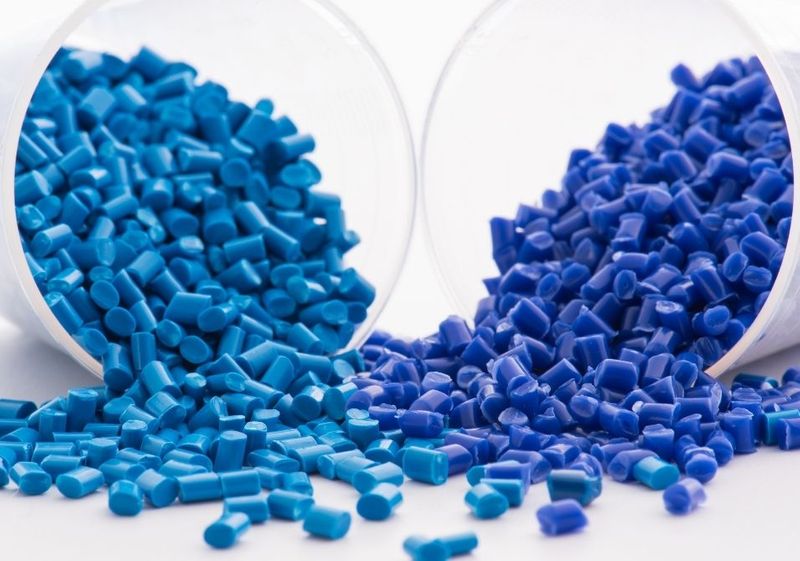
Masterbatch serves as a game-changer in enhancing the compatibility of various plastic resins. By incorporating concentrated additives into a single carrier resin, it allows for the efficient and uniform distribution of colorants and functional additives throughout the polymer matrix. This process facilitates better interaction among disparate materials, creating more cohesive blends that can better meet specific performance requirements in diverse applications.
- The Science of Polymer Blending
Polymer blending involves combining two or more polymers to achieve desirable properties that cannot be obtained from the individual components. During this process, factors such as viscosity, polarity, and chemical affinity play significant roles. Based on the physical characteristics of their constituents, polymer blends can be categorized as plastic, thermoplastic, elastomer, and so on. However, miscibility and phase behavior of polymer blends must be considered because the final morphology will determine the blend’s ultimate qualities. Masterbatch technology simplifies this complex task by providing tailored compatibilizers that improve interfacial adhesion, thus enhancing the overall mechanical, thermal, and aesthetic properties of the final product.
- Improving Plastic Resin: Advantages of Masterbatch in Resin Modification
Utilizing masterbatch for resin modification offers several advantages, such as improved processing efficiency, enhanced material properties, and cost-effectiveness. By enabling precise control over color and functional additive concentrations, manufacturers can achieve consistent product quality, which reduces production waste and downtime. Additionally, masterbatch formulations can be tailored to meet specific industry standards, allowing for more innovative designs without sacrificing performance.
Enhancing resin properties through masterbatch also enables manufacturers to achieve specific performance metrics, such as UV resistance or flame retardancy, without needing to alter the base resin itself. By following the right formulation, a 2% addition of the masterbatch can lead to significant improvements in mechanical strength, impact resistance, and additional desired traits, exemplifying why many professionals consider masterbatch a vital component in developing advanced materials for today’s demanding applications.
Key Ingredients: Evaluating Functional Additives in Masterbatch

Functional additives in masterbatch significantly contribute to achieving desired properties in plastic resins. During the manufacturing process, masterbatch or in-resin additives are incorporated into the polymer matrix. To disperse functional qualities throughout the bulk material, these additives are added to the resin either prior to or during extrusion. These additives can enhance physical characteristics, improve performance during processing, and optimize the final product’s functionality. By carefully selecting and combining appropriate additives, manufacturers can drastically improve attributes such as thermal stability, impact resistance, and processability. Evaluating these ingredients is vital for ensuring that the masterbatch truly enhances the characteristics of the resin it complements.
- Impact of Colorants and Fillers
Colorants and fillers play a decisive role in defining the visual and structural properties of plastic products. Colorants provide the desired shades and tones, allowing manufacturers to achieve specific branding requirements. Fillers, on the other hand, can enhance mechanical properties and reduce production costs. For example, incorporating talc or calcium carbonate can improve stiffness and dimensional stability while optimizing the cost-effectiveness of the plastic resin formulation.
- Enhancers and Compatibilizers: Unveiling Their Roles
Enhancers and compatibilizers are vital in improving the interactions between dissimilar plastic resins. These additives facilitate better dispersion, ensuring that multiple resins blend seamlessly, which ultimately leads to enhanced product performance. The role of compatibilizers is particularly evident in applications where performance attributes like impact resistance and surface finish are critical. By selecting specific compatibilizers, manufacturers can create a synergistic effect that boosts the overall functionality and extends the application potential of their final products. This results in materials that not only meet specific regulations but also surpass customer expectations.
Tailoring Masterbatch Formulations for Specific Applications

Customization of masterbatch formulations is vital for meeting the diverse needs of various applications, from automotive components to consumer products. Manufacturers can customize material qualities like UV resistance, flame retardancy, or distinctive hues via masterbatches. This adaptability fosters creativity and satisfies the needs of specific applications across a range of sectors. By adjusting the concentration of pigments, additives, and carrier resins, companies can develop masterbatches that optimize performance properties such as thermal stability, UV resistance, and mechanical strength. This targeted approach not only enhances visual aesthetics but also contributes to the functional longevity and reliability of the final products.
- High-Performance Polymers and Specialty Resins
High-performance polymers require specific masterbatch formulations to achieve the desired durability and resistance characteristics. These masterbatches often incorporate advanced additives that enhance properties like flame retardance and chemical resistance, catering to demanding industries such as aerospace and healthcare. With tailored formulations, manufacturers can ensure product longevity and compliance with stringent regulatory standards.
- Sustainable Solutions: Biodegradable and Recycled Materials
Sustainable alternatives within the masterbatch domain are gaining traction, particularly through the integration of biodegradable and recycled materials. These formulations not only support environmental goals but also enhance the appeal of products in a market increasingly focused on sustainability.
The shift towards sustainable solutions involves the development of biodegradable masterbatches that break down more efficiently in natural environments, thus reducing landfill contributions. Incorporating recycled materials into masterbatch formulations can also maintain the necessary performance characteristics while decreasing reliance on virgin resources. Companies are increasingly utilizing bio-based polymers, such as PLA (polylactic acid), that offer compostable options without sacrificing mechanical performance. By leveraging such innovative approaches, manufacturers can align with eco-friendly practices while still meeting the aesthetic and functional demands of today’s consumers.
The Future of Plastic Resin: A Paradigm Shift in Compatibility
Innovations in masterbatch formulations are redefining plastic resin compatibility, enhancing performance, and expanding application possibilities. This shift promises to improve the functionality of materials used in a variety of industries, from automotive to consumer products, while meeting increasingly stringent performance and sustainability requirements.
- Innovation Trends in Masterbatch Technologies
Recent advancements in masterbatch technologies focus on incorporating nanomaterials and bio-based additives, leading to enhanced properties and improved formulation efficiencies. Companies are exploring ways to optimize the dispersion and compatibility of these new ingredients, ensuring they add value without compromising overall material quality.
- Environmental Considerations and Regulatory Impact
The growing emphasis on sustainability in the plastics industry drives the need for environmentally friendly masterbatch solutions. Regulatory changes are pushing manufacturers to consider the impact of their formulations on the environment, prompting a collective move towards greener practices in production processes.
The push for environmentally responsible practices in masterbatch development includes adherence to directives such as the European Union’s REACH regulation, which governs chemical substances. Companies are actively seeking eco-friendly additives and materials that meet these standards. For instance, incorporating post-consumer recycled content into masterbatches not only aids in minimizing waste but also enhances sustainability. Additionally, manufacturers are investing in lifecycle analyses of their products, providing transparency to customers regarding environmental footprints.
Practical Strategies for Implementing Masterbatch in Manufacturing
Manufacturers looking to gain an edge while working with plastic resins can effectively implement masterbatch by utilizing practical strategies. These strategies include selecting the right type of masterbatch, optimizing the mixing process, and integrating new formulations with existing production lines. They can also consider collaborating with suppliers for tailored solutions that meet specific compatibility challenges, ensuring smooth production runs without compromising product quality.
- Optimizing Processing Parameters
Fine-tuning processing parameters is vital to maximizing the efficacy of masterbatch in manufacturing processes. Adjusting temperature, shear rates, and mixing times can significantly improve material dispersion and compatibility. By conducting trials at different settings, operators can determine the ideal conditions needed to achieve the best results, ensuring that the masterbatch blends seamlessly with any plastic resin.
- Quality Control and Performance Testing
Implementing quality control and performance testing is vital in the manufacturing process to ensure the consistent performance of masterbatch. This involves rigorous testing protocols such as melt flow rate analysis, mechanical property evaluations, and thermal stability assessments. By regularly assessing these key characteristics, manufacturers can identify any deviations and adjust their processes accordingly, securing high-quality output with every batch produced.
Quality control and performance testing not only help maintain standards but also provide insights into the long-term durability and reliability of the products manufactured. For instance, specific case studies have shown that regular testing can result in a 30% reduction in defects related to resin compatibility issues. Using advanced techniques such as spectroscopy and rheology, manufacturers can closely monitor the interaction between masterbatch and base resins.
Summing up
Conclusively, improving plastic resin compatibility through masterbatch plays a significant role in enhancing material performance and expanding application scope. You may find that incorporating masterbatches tailored for specific resins can lead to better dispersion, improved mechanical properties, and increased processing efficiency. Consequently, they can achieve optimal compatibility in composite materials, enabling the development of innovative products in various industries. This approach is vital for manufacturers aiming to elevate the quality and functionality of their plastic products while addressing performance challenges.