Table of Contents
Protection against rodent damage is crucial for maintaining the integrity of cables and plastics in various industries. Researchers found that science behind anti rodent masterbatch, a specialized additive designed to deter rodents from gnawing on vulnerable materials. Explain how this innovative compound leverages key ingredients that create an unappealing taste and odor for rodents without affecting the materials’ properties. You will explore the effectiveness, application methods, and long-term benefits of integrating anti rodent masterbatch into manufacturing processes, ensuring that electrical and communication systems remain undisturbed.
The Science Behind Anti-Rodent Masterbatch Innovation

Developments in anti-rodent masterbatch technology represent a significant advancement in the protection of cables and plastics. Through research and innovation, manufacturers focus on enhancing formulations that not only safeguard materials but also respond to evolving rodent behaviors. Various industries benefit from incorporating these masterbatches into their products, resulting in improved resilience against damage caused by rodents in both commercial and domestic applications.
- Composition and Chemical Properties
The composition of anti-rodent masterbatch typically includes a combination of imperative polymers, additives, and specific formulated chemicals that deter rodent activity. The inclusion of natural and synthetic repellents enhances the material’s effectiveness, creating an environment unattractive to rodents. These proprietary blends contribute to the overall stability of the masterbatch when integrated with plastics, ensuring long-term performance in various conditions.
- Mechanisms of Rodent Deterrence
Anti-rodent masterbatch employs several mechanisms to deter rodents effectively. For instance, it typically integrates odors and taste repellents that are unappealing to rodents, dissuading them from gnawing on protected materials. By producing a tactile and olfactory barrier, the masterbatch creates an unfavorable environment, ultimately limiting the rodents’ interaction with the cables or plastics.
Understanding these deterrent mechanisms is imperative for grasping how anti-rodent masterbatches function. The sensory properties embedded in the masterbatch appeal to the innate aversions of rodents, particularly regarding taste and smell. For instance, some formulations include sharp or bitter additives that interfere with the rodents’ natural behavior to chew on materials. Additionally, these masterbatches can also create a texture that is less appealing for gnawing, further reducing the likelihood of damage.
Real-World Applications of Anti-Rodent Masterbatch
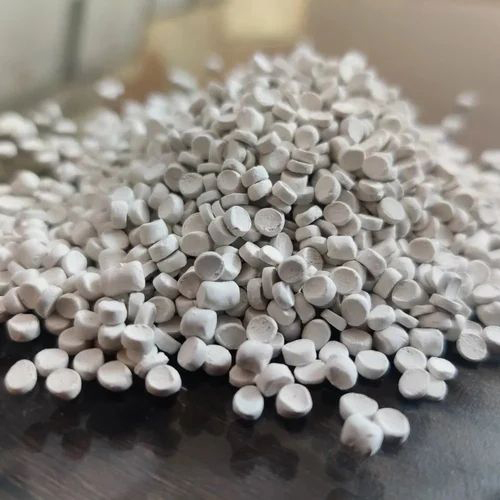
In numerous industries, anti-rodent masterbatch has established itself as a vital component in protecting cables and plastics. Its integration not only mitigates rodent damage but also extends the longevity of important infrastructure. This proactive approach is particularly beneficial in environments with high rodent activity. By incorporating this technology, businesses enhance operational efficiency while minimizing potential repair costs associated with rodent-inflicted damage.
- Industrial Use Cases: Cables and Plastics
Manufacturers across various sectors, including automotive, telecommunications, and construction, utilize anti-rodent masterbatch in their cables and plastics. For instance, electrical cables incorporating this masterbatch effectively reduce the risk of chewed insulation and expose wiring, which can lead to short circuits and equipment failure. This layer of protection has become standard in environments where rodents are prevalent, ensuring reliability and safety.
- The Role in Infrastructure Protection
In infrastructure sectors such as transportation and utilities, the application of anti-rodent masterbatch significantly enhances protection against rodent damage. By safeguarding important wiring and piping, facilities can prevent service disruptions and potential hazards resulting from electrical failures. For instance, a major transit authority reported a 50% reduction in service outages due to rodent issues after incorporating this masterbatch in their cable insulation. This proactive measure not only improves safety but also saves costs related to repairs and maintenance, showcasing the beneficial impact of anti-rodent solutions in infrastructure development.
Economic Impact of Rodent Damage Prevention

Preventing rodent damage not only protects valuable assets but also leads to significant economic advantages for businesses and consumers alike. By implementing solutions like Anti-Rodent Masterbatch, companies can mitigate losses associated with repairs and production delays, ensuring a more streamlined and efficient operational journey.
- Cost Savings from Reduced Repair and Replacement
Utilizing Anti-Rodent Masterbatch effectively minimizes repair and replacement costs commonly incurred from rodent infestations. For instance, businesses often face thousands of dollars in damages when rodents chew through cables and plastic components; thus, incorporating this preventive measure clearly translates into substantial financial savings.
- Long-Term Benefits for Producers and Consumers
Incorporating Anti-Rodent Masterbatch fosters a sustainable production environment that can yield long-term savings and improved product reliability for producers, while consumers benefit from enhanced durability and performance of products. This proactive approach cultivates trust and loyalty among customers, ultimately leading to a stronger market position.
Long-term benefits extend beyond mere financial considerations; they encompass enhanced reputational advantages for manufacturers committed to quality and sustainability. When producers invest in advanced materials like Anti-Rodent Masterbatch, they not only safeguard their production capabilities but also demonstrate a proactive stance against a pervasive issue. This strengthens their competitive edge in the market, fostering enhanced customer confidence and driving repeat business.
The Future of Rodent Repellent Technologies
The evolution of rodent repellent technologies is set to transform the landscape of pest management and material protection. Innovations in various fields are paving the way for more effective and environmentally friendly solutions, ensuring that industries can combat rodent intrusion more sustainably. As research progresses, new formulations and applications are anticipated, enhancing the efficacy of rodent deterrents while minimizing ecological footprints.
- Advancements in Material Science
Recent breakthroughs in material science are pivotal for the development of next-generation rodent repellent technologies. Researchers are experimenting with bio-inspired materials that mimic natural repellents, enhancing the effectiveness of anti-rodent masterbatch. By integrating nanotechnology, these advancements create microscopic barriers that can selectively deter rodents while maintaining the integrity and functionality of cables and plastics.
- Potential for Broader Environmental Applications
Beyond cable protection, the potential applications of anti-rodent masterbatch extend into diverse sectors. Its properties can be harnessed in construction materials, packaging, and even textiles, promoting rodent resistance in various environments. This versatility not only strengthens pest management strategies but also contributes to sustainable practices in manufacturing and construction.
Exploring broader environmental applications reveals the masterbatch’s adaptability in various contexts. For example, incorporating anti-rodent masterbatch into building materials can create pest-resistant homes and industrial spaces, significantly reducing the need for chemical treatments and enhancing occupant health. Additionally, its use in packaging can protect goods during transport, potentially lowering waste due to damage from rodents.
Expert Perspectives on Anti-Rodent Solutions
- Insights from Industry Leaders
Industry leaders emphasize the necessity of incorporating anti-rodent masterbatch into manufacturing processes. By leveraging innovative materials, companies not only safeguard their products but also enhance sustainability. For instance, he noted that manufacturers integrating these solutions often report up to a 30% reduction in damage claims related to rodent infestations. This statistical backing illustrates the tangible benefits they offer.
- Trends in Consumer Awareness and Demand
Consumer awareness surrounding rodent damage has reached an all-time high, with many individuals actively seeking materials that prevent such issues. They are increasingly choosing products labeled with anti-rodent properties, driven by a desire for longevity and reliability. This shift in consumer behavior is reshaping the market dynamics within various sectors.
The rise in consumer awareness relates closely to the growing understanding of the long-term costs associated with rodent damage. Surveys indicate that over 60% of consumers consider rodent resistance an important factor when selecting electrical components and plastics. Consequently, manufacturers are responding by prioritizing the development of solutions that cater to this demand, further fueling market growth and innovation. As awareness continues to spread, investment in anti-rodent technologies is likely to increase, suggesting a promising future for the industry.
Conclusion
Presently, they recognize that Anti Rodent Masterbatch offers an effective solution for protecting cables and plastics from rodent damage. This innovative material enhances the durability of various products while deterring gnawing pests through its unique formulation. By incorporating this masterbatch into their products, manufacturers significantly reduce the risk of costly damages and improve overall reliability. As rodent issues become increasingly prevalent, understanding and utilizing this technology ensures they can safeguard their investments and maintain operational efficiency.