Table of Contents
Industries are increasingly using carbon capture innovations to reduce their impact as environmental concerns grow. Examine the most recent developments that are revolutionizing masterbatch production and allowing businesses to lower carbon emissions without sacrificing product quality. You can highlight different approaches and procedures being used in the industry and show how they support sustainability objectives. Explore the possibilities of these developments as well, showing how incorporating carbon capture into manufacturing procedures might result in more environmentally friendly operations and a more sustainable industry in the future.
Pioneering Technologies in Carbon Capture
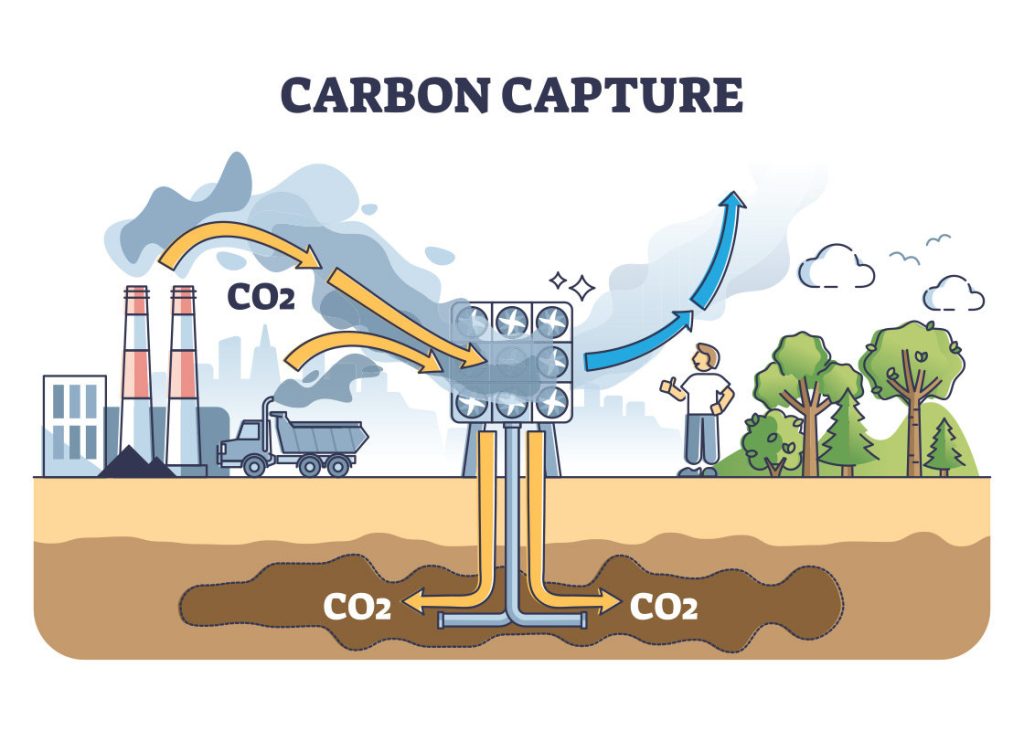
Advancements in carbon capture technology are playing a pivotal role in transforming masterbatch manufacturing into a more environmentally friendly process. Companies are now focusing on innovative methods that not only reduce CO2 emissions but also enhance production efficiency. With the introduction of various technologies ranging from absorption techniques to membrane separation processes, the industry is witnessing a renaissance in sustainable practices that align with global climate goals.
- Breakthroughs in Absorption Techniques
Recent developments in absorption techniques have revolutionized carbon dioxide capture. Techniques utilizing advanced solvents and amines are achieving higher capture efficiency rates, with absorbing of CO2 emissions during the manufacturing process. These advancements not only minimize the carbon footprint but also reduce operational costs associated with traditional methods.
- Innovations in Membrane Separation Processes
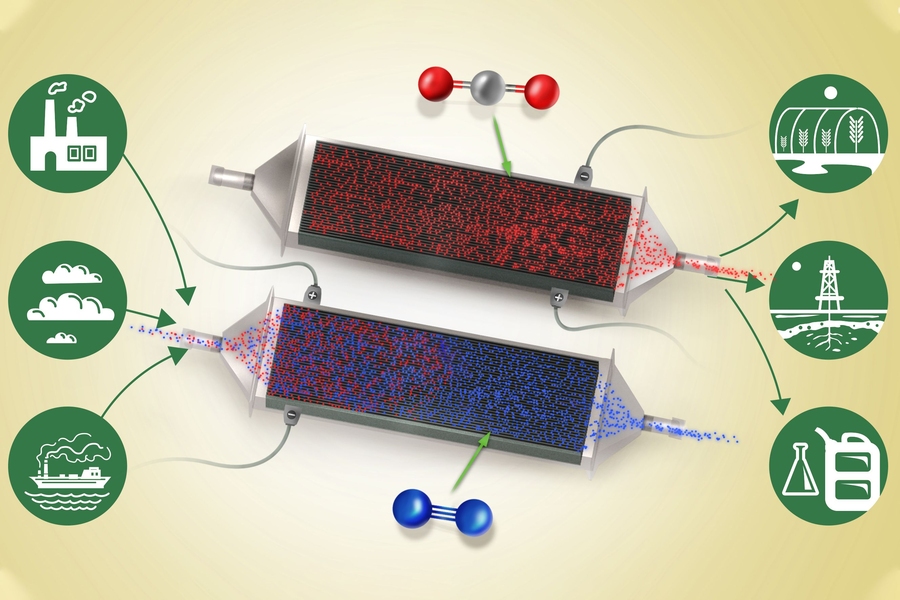
Based on research, membrane separation processes are emerging as a transformative strategy for carbon capture in masterbatch manufacturing. These membranes allow for the selective separation of CO2 from other gases, making the process more efficient and compact. Innovations in materials science have led to the development of high-performance membranes that can achieve over 90% purity in captured CO2, providing multiple downstream uses, from enhanced beverage carbonation to potential feedstock for sustainable fuel production.
Building on the principles of selectivity, these newly engineered membranes utilize advanced polymer structures that not only improve flux rates but also resist fouling, significantly extending their operational life. For instance, some new membranes can operate effectively at various temperatures and pressures, allowing for seamless integration into existing manufacturing setups. This adaptability facilitates broader applications across different industrial sectors, making membrane technologies an attractive option for companies aiming to lower their carbon emissions while maintaining economic feasibility.
Sustainable Practices in Masterbatch Production
Sustainable practices within masterbatch production focus on reducing environmental impact and promoting resource efficiency. Companies are actively pursuing methods that minimize waste generation, improve recycling efforts, and utilize cleaner technologies. By embracing environmentally-friendly initiatives, manufacturers aim for a lower carbon footprint while also meeting the growing demand for sustainable products in the market.
- Incorporating Recycled Feedstocks
Utilization of recycled feedstocks is gaining traction as manufacturers seek to lower production costs and environmental impact. By integrating post-consumer plastics and industrial by-products into their processes, producers can not only reduce reliance on virgin materials but also contribute to a circular economy. This approach ensures that resources are kept in use longer, aligning production methods with sustainability goals.
- Energy Efficiency through Carbon Management
Improving energy efficiency is paramount for reducing carbon emissions in masterbatch manufacturing. Techniques such as capturing waste heat and optimizing equipment can significantly lower energy consumption. Advanced heating methods, like induction heating, have shown to cut energy requirements by around 20%. Implementing systematic carbon management processes enables companies to track their emissions effectively and identify areas for improvement, ultimately supporting an environmentally responsible production paradigm.
Innovative carbon management systems allow manufacturers to assess emissions at each production stage, facilitating targeted strategies for energy reduction. For instance, some firms have adopted real-time monitoring tools that evaluate energy usage and emissions data, enabling them to make swift adjustments in operations. This proactive approach not only enhances energy efficiency but also helps companies comply with regulatory standards and meet their sustainability objectives. With a focus on continuous improvement, these measures contribute to a more resilient and eco-friendly manufacturing landscape in the masterbatch sector.
The Economic Impacts of Carbon Capture in Masterbatch

The integration of carbon capture technologies into masterbatch manufacturing yields profound economic benefits, reshaping production costs and operational efficiencies. By capturing and recycling CO2 emissions, companies can not only adhere to regulatory requirements but can also explore new revenue streams through the sale of carbon credits. Furthermore, the potential for reduced energy costs through optimized processes amplifies the financial viability of adopting these innovations, driving a competitive edge in an increasingly eco-conscious market.
- Cost-Benefit Analysis: Short vs. Long-Term Gains
The analysis of costs versus benefits in carbon capture reveals a distinction between immediate financial outlays and long-term gains. Initial investments in technologies may appear substantial; however, they often lead to significant reductions in operational costs and enhanced sustainability metrics over time. For instance, companies that adopt these technologies may experience a decrease in carbon-related taxes and an improved market position that attracts environmentally conscious consumers.
- Market Dynamics: Influencing Supply Chain Decisions
Market dynamics significantly influence supply chain decisions in the masterbatch industry, especially in the context of carbon capture technologies. As consumers increasingly prioritize sustainability, companies that embrace carbon capture can differentiate themselves in a competitive market. This shift is compelling suppliers and manufacturers to rethink their partnerships, seeking collaborations that enhance eco-friendliness and sustainability.
The growing trend towards sustainability is altering supply chain dynamics across the masterbatch sector. As companies prioritize carbon-neutral initiatives, partnerships with suppliers who commit to lower emissions become pivotal. Engaging with eco-conscious suppliers not only ensures compliance with environmental regulations but also enhances brand reputation. Research indicates that regions with stringent emissions policies are seeing increased collaboration among companies focused on sustainable practices, driving the need for high-quality, environmentally friendly materials.
Regulatory Frameworks Driving Innovation
Regulatory frameworks play a pivotal role in incentivizing and shaping carbon capture innovations within masterbatch manufacturing. Governments across the world are establishing stringent emission reduction goals, prompting manufacturers to adopt advanced capture technologies. The European Union, for instance, has integrated carbon capture and storage into its climate action plan, while the United States has outlined a set of policies aimed at reducing industrial emissions. Such frameworks not only push companies to innovate but also create a competitive landscape where sustainable solutions can thrive.
- Government Incentives for Carbon Capture Adoption
Numerous governments are offering financial incentives designed to encourage the adoption of carbon capture technologies in the manufacturing sector. Tax credits, grants, and subsidies form part of this support system, easing the financial burden that often accompanies the initial implementation of carbon capture solutions. In the U.S., the 45Q tax credit provides substantial benefits for every ton of CO2 captured and stored, motivating companies to explore these sustainable options actively.
In Indonesia, By bringing in investments in clean energy technologies and generating new jobs, Carbon Capture and Storage (CCS) technology has the ability to stimulate economic growth. Because of its distinct geology, which includes a large number of saltwater aquifers as well as depleted oil and gas reservoirs, Indonesia offers the perfect setting for the safe and secure storage of carbon dioxide extracted by CCS operations.
- International Standards and Compliance Challenges
The implementation of international standards for carbon capture technologies presents significant compliance challenges for manufacturers. Varying regulations across regions can create obstacles, complicating the process for companies aiming to streamline operations and maintain sustainability. Navigating these disparate compliance requirements is often time-consuming and expensive, potentially slowing down the overall adoption of effective carbon capture innovations within the masterbatch industry.
Efforts to standardize carbon capture practices are ongoing, but disparities persist due to differing national priorities and technological capabilities. For example, while ISO FDIS 27928 standards provide robust guidelines, some countries have adapted these frameworks to align with local environmental policies, leading to inconsistencies in implementation. This lack of uniformity can hinder global companies striving for seamless operational integration across multiple markets, ultimately affecting their ability to invest in and scale carbon capture initiatives effectively.
Future Trends: What Lies Ahead for Masterbatch Manufacturing
As masterbatch manufacturing evolves, the focus will increasingly shift towards sustainability and efficiency. Innovations in raw material sourcing and waste reduction will play pivotal roles in shaping a greener future. Heavier reliance on renewable energy sources and advanced recycling technologies will enhance production processes, meeting the rising demand for environmentally friendly products. Industry stakeholders must stay attuned to regulatory changes and consumer preferences, ensuring they adapt to maintain a competitive edge in a rapidly changing landscape.
- The Rise of Circular Economy Principles
Embracing circular economy principles is transforming masterbatch manufacturing by promoting resource efficiency and waste minimization. Companies are now prioritizing the recycling of end-of-life plastics and integrating biodegradable materials into their formulations. This shift not only reduces reliance on fossil fuels but also contributes to sustainable product life cycles, enhancing brand reputation and customer loyalty.
- Integrating Artificial Intelligence in Carbon Management
Integrating artificial intelligence into carbon management systems empowers manufacturers to track, manage, and optimize their carbon emissions effectively. Utilizing AI-driven analytics, companies can predict emissions patterns based on production variables, leading to more informed decision-making. These insights enhance operational efficiency and compliance with environmental regulations, positioning manufacturers as leaders in eco-friendly practices.
Artificial intelligence applications in carbon management are revolutionizing data collection and analysis within masterbatch manufacturing. By employing predictive algorithms, companies can identify inefficiencies and optimize processes in real-time, minimizing their carbon footprint. For instance, machine learning models can analyze energy consumption patterns to recommend adjustments that reduce emissions without compromising product quality.
To wrap up
Upon reflecting on the advancements in carbon capture innovations for greener masterbatch manufacturing, they acknowledge the significant impact such technologies can have on reducing carbon emissions in the plastics industry. Note that these developments not only enhance sustainability but also drive economic benefits by improving process efficiencies. Emphasizes the need for ongoing research and collaboration among industry stakeholders to further refine these innovations, ensuring that they meet both environmental standards and market demands. Together, they contribute to a more sustainable future in manufacturing practices.