Table of Contents
Carbon-neutral resins have become a key component of sustainable production, as companies work to lessen their environmental impact. You can investigate how masterbatch additives improve these resins’ performance and guarantee that they satisfy the specifications needed for a range of applications. They contribute significantly to enhancing durability, use, and visual appeal while upholding an environmentally friendly image. The significance of masterbatch additives in the development of carbon-neutral resins and the advantages they provide to producers and consumers alike are explained in this blog post.
The Environmental Stakes: Why Carbon-Neutral Matters
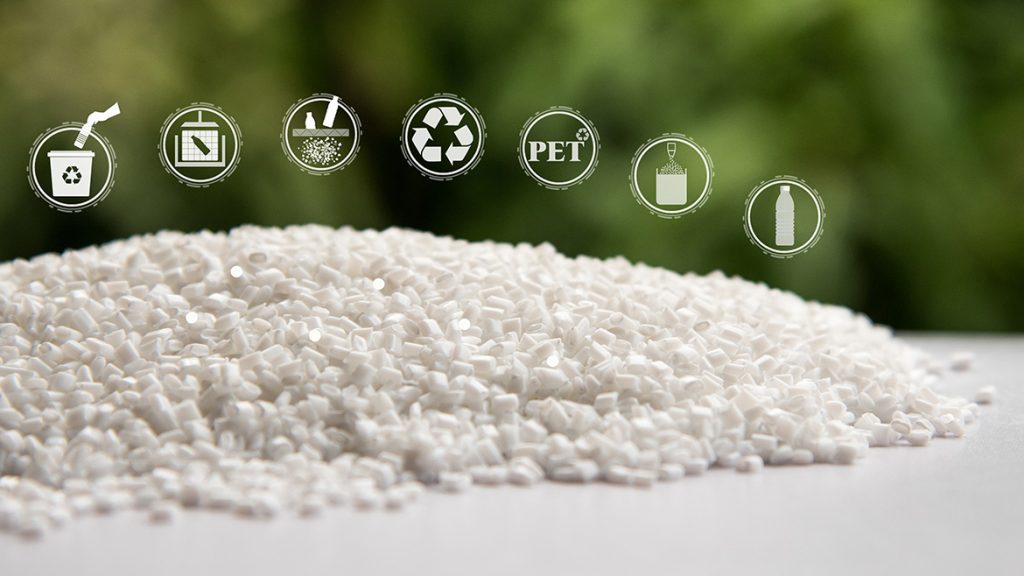
Transitioning to carbon-neutral processes is not merely an ecological ambition but an urgent necessity. As global temperatures rise and extreme weather events become frequent, industries bear an ethical responsibility to mitigate their environmental impact. Stakeholders across various sectors are increasingly recognizing that carbon neutrality isn’t just beneficial for the planet; it’s important for sustaining economic viability and public health. By moving towards carbon-neutral resins, manufacturers can significantly reduce their overall carbon footprint, aligning economic growth with environmental conservation.
- The urgency of carbon neutrality
Immediate action towards carbon neutrality has become imperative as climate change continues to accelerate. Industries are responsible for substantial greenhouse gas emissions, propelling a need for innovative solutions to reduce their carbon output. Global initiatives, such as the Paris Agreement, underscore the urgency for companies to implement carbon-neutral practices to avert the most catastrophic effects of climate change and achieve a sustainable future.
- Resins and their ecological footprint
The production and disposal of traditional resins contribute heavily to environmental degradation. Furthermore, the life cycle of resin materials often leads to significant resource depletion, habitat destruction, and pollution. Transitioning to carbon-neutral resins presents an opportunity for manufacturers to not only reduce their carbon emissions but also minimize the detrimental impacts associated with conventional resin production methods.
Creating a better understanding of resins’ ecological footprint reveals that various factors, including raw material extraction, processing, and end-of-life disposal, significantly influence their environmental impact. Conventional petroleum-based resins contribute to oil extraction-related pollution and necessitate extensive energy consumption during production. In contrast, carbon-neutral resins derived from sustainable, bio-based materials offer a promising reduction in both resource depletion and greenhouse emissions. Manufacturers who actively pursue carbon-neutral solutions can not only enhance their sustainability practices, but they also encourage a broader industry shift toward environmentally friendly materials.
Decoding Masterbatch Additives: What They Are and How They Function
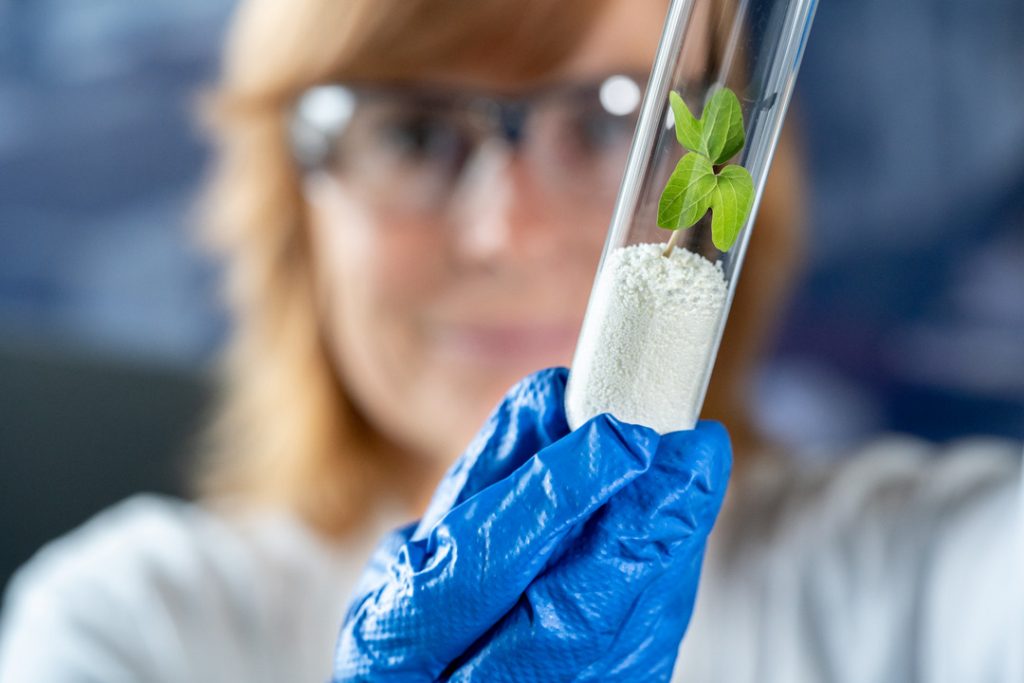
Masterbatch additives serve as the backbone of resin modification, enhancing both appearance and functionality in polymer applications. By integrating pigments, fillers, and functional additives into the masterbatch, formulators can tailor the properties of the final product. These additives are crucial in achieving desired characteristics such as color, UV resistance, flame retardancy, and even mechanical strength, ultimately driving the performance of carbon-neutral resins in various industries.
- The chemistry of mastery: Understanding masterbatch formulations
Masterbatch formulations combine various components like polymers, carriers, and additives to create a concentrated mixture that can be efficiently blended with base resins. The selection of carrier polymers influences the compatibility and dispersion of the additives within the final product. Additionally, the formulation’s temperature stability and processing behavior are crucial for achieving optimal results in downstream processing.
- The role of additives in enhancing resin properties
Additives significantly bolster the properties of resins, enabling them to meet specific application requirements. For instance, impact modifiers improve toughness, while stabilizers enhance thermal and UV performance. The inclusion of anti-blocking agents can facilitate easier processing and handling of films, while fillers like calcium carbonate can increase stiffness without adding much weight. By strategically incorporating these additives, formulators can create resins that not only meet aesthetic needs but also contribute to the sustainable initiatives tied to carbon neutrality.
The use of additives also extends to adjusting the thermal conductivity and electrical properties of resins, potentially paving the way for advancements in electronics and battery applications. For example, incorporating conductive fillers can transform a standard thermoplastic into an electrostatic dissipative material, which is increasingly relevant in the age of growing electronic waste and the need for increased energy efficiency. When each component is tailored correctly, the resulting resin demonstrates enhanced reliability and performance, making it suitable for demanding applications while supporting environmental goals.
Carbon-Neutral Strategies: How Masterbatch Additives Make a Difference

Carbon-neutral strategies harness masterbatch additives to enhance the eco-friendliness of resins. By incorporating bio-based and recycled materials, manufacturers can significantly reduce the carbon footprint of their products. These additives facilitate the production of plastics that contribute less to greenhouse gas emissions while maintaining performance qualities crucial for various applications. As industries aspire to meet sustainability targets, the role of masterbatch additives becomes increasingly vital in achieving carbon neutrality across the supply chain.
- Innovations in Sustainable Additives Beneficial for Resins
Innovations in sustainable additives pave the way for greener resin formulations. New technologies utilize renewable resources and waste materials, allowing for the development of additives that bolster performance while decreasing environmental impact. For instance, advancements in bioplastics incorporate agricultural by-products, which not only reduce reliance on fossil fuels but also enhance biodegradability. This paradigm shift facilitates a smoother transition to sustainable practices in the plastics industry.
- The Life Cycle Impact of Integrating Carbon-Neutral Masterbatches
The life cycle impact of integrating carbon-neutral masterbatches reveals substantial benefits over traditional practices. When manufacturers utilize these innovative additives, they not only diminish their immediate emissions but also address end-of-life challenges through improved recyclability and biodegradability. A recent study highlighted that products made with carbon-neutral masterbatches could reduce overall carbon emissions by up to 20% compared to conventional resins, thereby contributing to a circular economy. This comprehensive approach ensures that environmental benefits are realized not just during production but throughout the product’s entire lifecycle.
Delving deeper into the life cycle impact, the integration of carbon-neutral masterbatches presents opportunities to optimize resource efficiency. By reducing energy consumption in production and increasing the longevity of products, these masterbatches play a crucial role in minimizing waste generation. Furthermore, as products reach their end-of-life phase, sustainable additives facilitate easier recycling processes, thereby reducing landfill burdens.
The Competitive Advantage: Market Implications of Going Carbon-Neutral
Embracing carbon-neutral initiatives provides companies with a significant edge in a marketplace increasingly driven by sustainability. As consumers become more environmentally conscious, businesses adopting such practices gain not only brand loyalty but also a competitive advantage. Sustainability is no longer a niche market but is transforming into a core consideration in consumer decision-making. Organizations that integrate carbon-neutral processes effectively position themselves to capitalize on shifting market demands, setting trends that resonate with responsible stewardship of the planet.
- Consumer demand and corporate responsibility
Consumer preferences are shifting towards brands that exhibit corporate social responsibility, especially regarding sustainability. They actively seek products with eco-friendly credentials, thereby pressuring companies to adopt greener practices. This demand translates into tangible benefits, as research indicates that brands committed to carbon neutrality can enjoy enhanced customer loyalty and an increase in market share. By aligning their operations with the values of today’s consumers, organizations can not only fulfill ethical obligations but also drive profitability.
- Case studies of successful brands utilizing carbon-neutral resins
Numerous brands have successfully pioneered the use of carbon-neutral resins, demonstrating the market viability of sustainable practices. These case studies illustrate the tangible benefits of adopting carbon-neutral technologies, ranging from reduced carbon footprints to increased customer engagement. For instance, leading consumer goods companies and innovative startups alike are scaling their initiatives to position themselves as leaders in sustainability.
- Unilever: Reduced overall carbon footprint by 50% through the use of carbon-neutral resins in packaging, contributing to a 15% rise in consumer brand loyalty.
- Coca-Cola: Launched the PlantBottle initiative made from up to 30% renewable plant materials, which contributed to a 20% reduction in their overall environmental footprint in the beverage packaging sector.
- Patagonia: Introduced carbon-neutral polyester derived from recycled plastic which led to a 20% increase in sales as customers sought sustainable apparel options.
- H&M: Implemented the use of carbon-neutral fabrics resulting in a 10% boost in their market share within the eco-fashion sector.
As these case studies show, companies embracing carbon-neutral resins can achieve significant environmental and economic gains. Unilever’s shift toward sustainable packaging not only addressed environmental concerns but also resulted in increased consumer loyalty, demonstrating a direct link between sustainability and business success. The PlantBottle initiative by Coca-Cola serves as another prime example, showcasing how innovative materials can lead to substantial reductions in the carbon footprint while positively influencing brand perception. With Patagonia’s similar efforts in fashion and H&M’s sustainable fabric integration, these brands illustrate that carbon neutrality is not merely a trend but a viable business strategy that aligns with evolving consumer expectations.
Future Trends: What Lies Ahead for Carbon-Neutral Resins and Additives
The landscape of carbon-neutral resins and additives is rapidly evolving, influenced by technological advances and growing environmental consciousness. Manufacturers are increasingly adopting sustainable practices, integrating renewable resources and innovative recycling methods into their production processes. As consumer demand for green products escalates, industry players are expected to innovate and adapt, paving the way for more effective carbon-neutral solutions that meet both ecological standards and market needs.
- Predicting advancements in additive technology for sustainability
Innovations in additive technology are anticipated to propel the development of carbon-neutral resins significantly. Researchers are exploring biobased additives that enhance mechanical properties while reducing environmental impact. These advancements aim to create alternatives that not only perform on par with traditional materials but also boast reduced carbon footprints, pushing the boundaries of sustainable materials in various applications.
- Regulatory and market shifts driving eco-friendly practices
Consumer tastes and changing rules have a big impact on the drive for eco-friendly activities. Laws pertaining to plastic waste, such the Single-Use Plastics Directive of the European Union, have forced producers to reconsider the materials and procedures they use. Furthermore, companies are realizing that sustainability and sourcing transparency may be a differentiator, encouraging sectors to embrace eco-friendly practices and ultimately establishing a norm for manufacturing in the future.
Regulatory bodies are tightening standards on plastic production and disposal, which is prompting companies to pivot towards sustainable resin solutions. For instance, the implementation of green certification programs and recycling mandates is steering manufacturers away from conventional petroleum-based products. The shift is matched by a growing consumer base that values environmentally responsible practices.
Summing up
Conclusively, carbon-neutral resins play a pivotal role in sustainable manufacturing, and the incorporation of masterbatch additives significantly enhances their performance. They enable she to achieve improved processing and mechanical properties, while also facilitating various applications. As you considers the future of environmentally friendly materials, they must acknowledge the importance of these additives in driving innovation and efficiency within the industry. Ultimately, the synergy between carbon-neutral resins and masterbatch additives represents a significant advancement towards achieving a greener, more sustainable future in plastics.