Table of Contents
In the battle against climate change, many experts think that cutting-edge approaches like carbon capture and utilization (CCU) are crucial. Examines the latest developments in masterbatch technology and emphasizes how they are turning carbon emissions into useful goods. At about 0.1% of annual worldwide CO₂ emissions, CCS is still very much in its infancy. To meet the one billion metric tons that must be caught and stored by 2030 and live up to the promise, the sector is currently facing tremendous obstacles.
Opening the door for sustainable materials that lessen their impact on the environment and promote economic growth by incorporating CCU tactics. The function of masterbatch innovations in reducing climate change and fostering a more sustainable future is examined in this blog article.
Capturing Carbon: The Innovative Technology Behind Masterbatches
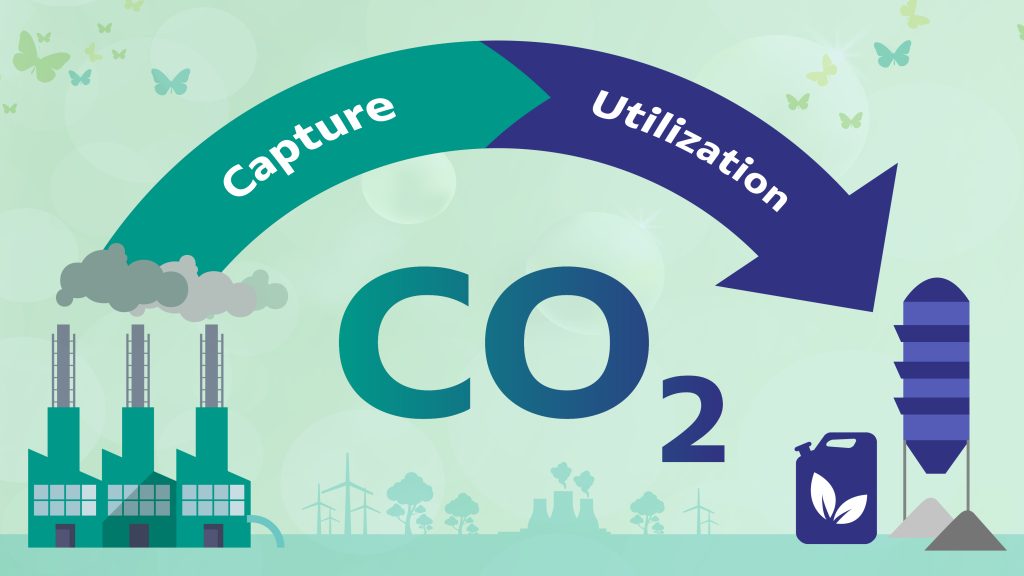
Advanced technologies drive the effective capture of carbon, integrating seamlessly within masterbatch formulations. By encapsulating CO2 within plastic matrices, these innovations not only reduce atmospheric carbon but also enhance the properties of the end products. The techniques employed in carbon capture and utilization, such as adsorption and membrane separation, have evolved to improve efficiency, allowing manufacturers to harness previously untapped carbon sources for sustainable production. Carbon capture technologies enable industries to innovate while addressing environmental challenges, underscoring the pivotal role of masterbatches in the climate action narrative.
- The Science of Carbon Capture Solutions
Carbon capture technologies leverage scientific principles, primarily focusing on the separation and storage of CO2 from industrial emissions. Chemical absorption using solvents, physical adsorption on porous materials, and direct air capture are among the leading methods. These scientific advancements allow industries to minimize their carbon footprints significantly, facilitating a shift towards more sustainable practices. Research indicates that globally, the primary sources of greenhouse gas emissions are electricity and heat (31%), agriculture (11%), transportation (15%), forestry (6%) and manufacturing (12%). Energy production of all types accounts for 72 percent of all emissions.
- How Masterbatches Enhance Carbon Utilization Efficiency
Masterbatches optimize the carbon capture and utilization, transforming it into functional additives within various plastic products. Through meticulous formulations, they improve the mechanical and barrier properties of plastics, ensuring minimal environmental impact while maximizing performance. By incorporating carbon-derived fillers, masterbatches can significantly reduce reliance on virgin materials, reinforcing sustainability in manufacturing.
These enhancements facilitate a closed-loop system where CO2 emissions are transformed into valuable resources. For instance, masterbatches using carbon black not only give plastics durability but also reduce the overall carbon emissions associated with their production. The incorporation of such innovations has led companies to report a reduction of up to 30% in their carbon footprints. Moreover, brands adopting these sustainable practices can enhance their market competitiveness while appealing to environmentally conscious consumers.
Transforming Waste into Resource: Economic and Environmental Impact
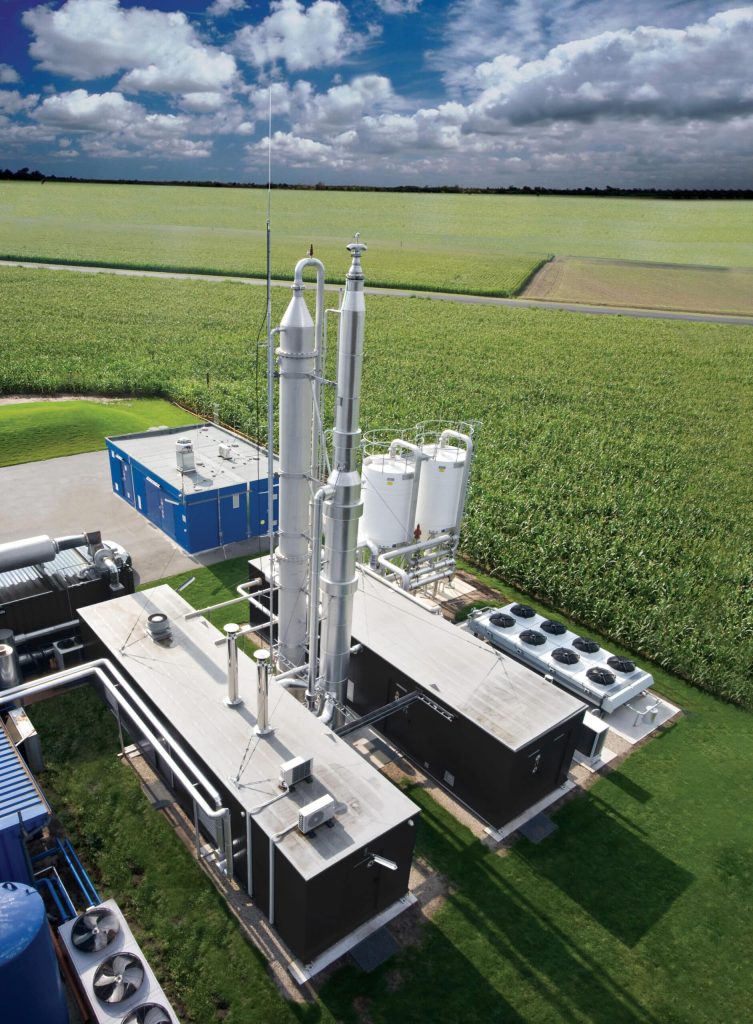
The integration of carbon capture technology with masterbatch innovations enables the transformation of pollutants into valuable resources, offering both economic and environmental advantages. By converting captured CO2 into usable materials, industries can reduce disposal costs while simultaneously contributing to a circular economy. This dual benefit not only minimizes the carbon footprint but also leads to potential savings and new revenue streams for companies, enhancing their sustainability profiles in a market increasingly focused on environmental responsibility.
- Evaluating the Cost-Effectiveness of Carbon Utilization
The cost-effectiveness of carbon utilization in masterbatch production is driven by the potential for increased operational efficiency and reduced raw material expenses. As industries adopt carbon capture and utilization technologies, they find that converting captured CO2 into additives can lower manufacturing costs while meeting regulatory requirements. With increasing government incentives for sustainable practices, many companies are discovering that investment in carbon utilization yields long-term financial benefits that contribute to both profitability and environmental stewardship.
- The Role of Masterbatches in Circular Economy Models
Masterbatches play a pivotal role in advancing circular economy models by enabling the repurposing of carbon-rich waste into innovative materials. This approach not only reduces reliance on virgin resources but also promotes responsible consumption patterns across industries. By encapsulating CO2 in masterbatches, companies transform waste emissions into imperative materials for plastics and other products, fostering a sustainable ecosystem where waste is minimized, and resources are reused. This process enriches product life cycles and aligns with global sustainability goals.
As industries embrace circular economy principles, masterbatches serve as a vital link in the chain of sustainability. These highly concentrated mixtures enhance the properties of recycled plastics, enabling them to regain utility without sacrificing quality. Companies implementing masterbatch innovations can effectively close the loop on material lifecycle, tapping into renewable resources while significantly lowering greenhouse gas emissions. By turning CO2 into useful products, they not only reduce waste but also promote a strong economy that values resilience and sustainability, establishing new benchmarks for environmental stewardship in the sector.
The Journey from Lab to Market: Scaling Carbon Capture Solutions
The transition from laboratory innovations to market-ready solutions in carbon capture and utilization involves a complex landscape of research, development, and commercialization. This process often includes pilot projects to validate technological efficacy, alongside efforts to secure investment and stakeholder support for larger-scale implementations. Through collaborations with industry leaders and academic institutions, emerging technologies undergo rigorous testing before reaching commercial viability, demonstrating that resilience and adaptability are vital to navigating this journey.
- Key Players and Partnerships Driving Innovation
Numerous companies and research institutions are advancing carbon capture technologies by forming strategic partnerships. Collaborative efforts, such as those between energy giants and startups, facilitate skill sharing and resource pooling, accelerating the pace of innovation. For instance, carbon capture and utilization partnerships between universities and private sector firms have resulted in groundbreaking research that not only enhances efficiency but also significantly reduces costs in carbon capture methods.
- Overcoming Regulatory and Market Challenges
Regulatory hurdles and market volatility often pose significant barriers to the scaling of carbon capture technologies. Comprehensive policy frameworks and incentives are necessary to encourage investment and adoption, while consistency in regulations can help mitigate uncertainty for investors. Moreover, the alignment of carbon capture technologies with existing sustainability standards is necessary for broader acceptance and implementation in various industries.
Navigating regulatory challenges requires stakeholders to actively engage with policymakers to establish a conducive environment for innovation. Successful examples include the Carbon Capture and Storage Association’s advocacy for clear guidelines and tax incentives in the United Kingdom, which bolster investment and deployment. Additionally, addressing market fluctuations necessitates transparent communication strategies to build public trust, ensuring the long-term viability of carbon capture initiatives in an ever-evolving economic landscape.
Real-World Applications: Masterbatches at Work in Diverse Industries
Masterbatch innovations are being implemented across various industries, transforming operational protocols and leading the charge against climate change. By integrating carbon capture processes, companies are enhancing their product offerings while significantly reducing their carbon footprint. These advancements are evident in sectors such as construction, automotive, and packaging, where the demand for sustainable practices continues to rise. Companies now benefit not only from improved sustainability metrics but also from potential cost savings and innovative product development.
- Case Studies Highlighting Breakthrough Implementations
Numerous companies have successfully adopted masterbatch solutions that incorporate carbon capture technology, setting concrete benchmarks for others in their respective industries. The following case studies illustrate their successes:
- Company A: Achieved a 30% reduction in CO2 emissions by utilizing carbon-dense masterbatches in their manufacturing processes.
- Company B: Launched a line of eco-friendly packaging made from captured carbon, resulting in a 20% increase in market share within one year.
- Company C: Reported a savings of $500,000 annually through energy consumption reductions linked to the introduction of carbon-utilizing masterbatches.
- Company D: Partnered with a carbon capture firm to develop a composite material that has already replaced traditional plastics in 40% of their products.
- Impact on Sustainability Goals across Sectors
The integration of carbon capture technology into masterbatch formulations is significantly contributing to sustainability goals across numerous sectors. Carbon capture and utilization, manufacturers not only offset greenhouse gas emissions but also align with global initiatives aimed at reducing carbon footprints. Industries such as automotive have begun to see substantial decreases in lifecycle emissions, while packaging sectors have capitalized on the eco-friendly credentials associated with carbon-based materials. This shift towards sustainable practices not only fosters regulatory compliance but also enhances corporate reputation, attracting environmentally-conscious consumers.
Future Horizons: How Masterbatch Innovations are Shaping Climate Policy
Masterbatch innovations are influencing the development of climate policy by providing scalable solutions for carbon reduction. As environmental concerns escalate, policymakers are increasingly looking at how these innovations can enhance sustainability objectives. Initiatives that support masterbatch technology can lead to significant reductions in greenhouse gas emissions, fostering a legislative environment aligned with global climate goals.
- Anticipating Trends in Carbon Capture Technologies
Emerging trends indicate a shift towards more efficient carbon capture technologies, with a focus on enhancing masterbatch formulations. Research is underway to develop biocompatible materials that improve carbon intake and storage capacity. This evolution not only boosts environmental performance but also attracts investments directed towards innovation in sustainable practices.
- The Role of Policy in Accelerating Adoption
Effective policy frameworks are imperative for accelerating the adoption of masterbatch innovations in carbon capture technologies. Government incentives, such as tax breaks for companies that invest in sustainable practices, have demonstrated positive outcomes. Policies that mandate carbon reduction targets encourage industries to explore advanced masterbatch solutions, thereby catalyzing broader market acceptance and integration.
Policymakers are now crafting regulations that reward companies for implementing carbon capture and utilization technologies within their processes. Successful case studies show companies that align with these regulations not only meet compliance standards but also gain market advantages through increased consumer preference for environmentally responsible products. By fostering partnerships between government agencies and technology developers, they pave the way for a comprehensive approach to combating climate change through innovative masterbatch applications.
Final Words
As a reminder, carbon capture and utilization technologies are vital in mitigating climate change impacts. People may appreciate the innovative advancements in masterbatch formulations that enhance the efficiency and effectiveness of these methods. By integrating sustainable practices into industrial processes, they are contributing to a reduction in greenhouse gas emissions. Furthermore, these innovations not only address environmental concerns but also create opportunities for economic growth and resource optimization, underscoring the importance of continued research and development in this field.