Table of Contents
People are aware that masterbatches containing antimicrobial additives significantly improve food safety in a variety of applications. The global additive masterbatch market size was valued at USD 2.79 billion in 2024. The market is projected to grow from USD 2.91 billion in 2025 to USD 4.21 billion by 2032, exhibiting a CAGR of 5.7% during the forecast period.
By successfully preventing the growth of dangerous microbes, these chemicals increase food products’ shelf lives and reduce health hazards. Investigates how the use of these cutting-edge technologies in plastic packaging guarantees that food is consumed in a safer manner. Explores the cutting-edge polymer technology solutions that are revolutionizing industry operations and protecting public health as knowledge of foodborne illnesses grows.
The Science of Antimicrobial Additives
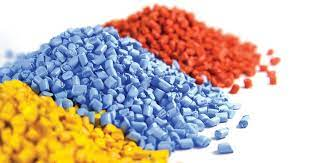
Understanding the underlying science of antimicrobial additives reveals their role as protective agents in various applications. These substances not only inhibit microbial growth but also promote food safety by preventing contamination. As food products are often stored in materials containing these additives, the assurance of their effectiveness is vital to public health and safety management.
- Mechanisms of Action in Masterbatch
The mechanisms by which antimicrobial additives operate in masterbatch formulations vary widely. They primarily disrupt bacterial cell membranes, inhibiting imperative cellular processes such as respiration and reproduction. By creating an inhospitable environment for microbes, these additives ensure that food safety standards are met and maintained throughout the product’s lifecycle.
- Types of Antimicrobial Agents Used
Various antimicrobial agents are incorporated into masterbatches, each contributing to enhanced food preservation. Based on research, common types include silver ions, zinc, and organic acids, all known for their unique antimicrobial properties. Silver ions, for instance, disrupt bacterial DNA, while organic acids lower the pH level, making the environment unsuitable for microbial growth. This versatility allows manufacturers to tailor products according to specific needs.
| Type of Antimicrobial Agent | Mechanism of Action |
| Silver Ions | Disrupts DNA and protein synthesis in bacteria. |
| Zinc Compounds | Inhibits microbial growth by interfering with enzymatic functions. |
| Organic Acids | Lowers pH to inhibit microbial proliferation. |
| Quaternary Ammonium Compounds | Destroys cell membranes of bacteria. |
| Nanosilver | Releases silver ions over time for long-lasting effects. |
Choosing the right type of antimicrobial agent involves assessing various factors, including efficacy, application method, and compatibility with the masterbatch. Each agent’s performance may vary based on concentration and formulation, making it imperative for manufacturers to experiment to optimize results. Additionally, the interaction between the carrier resin and the additives can influence antimicrobial effectiveness and product lifecycle properties.
| Antimicrobial Agent | Application Areas |
| Silver Ions | Food packaging, healthcare products. |
| Zinc Compounds | Food storage containers, household items. |
| Organic Acids | Meat processing, dairy products. |
| Quaternary Ammonium Compounds | Sanitizers, cleaning agents. |
| Nanosilver | Long-lasting coatings, textiles. |
Comprehending these uses enables developers to take use of their characteristics to produce antimicrobial masterbatches that are safer. Consequently, this guarantees that customers obtain goods that not only fulfill safety requirements but also provide supplementary defense against microbiological hazards. The customized method of choosing these agents gives producers the adaptability required to handle particular food safety issues.
The Impact on Food Safety Regulations

Antimicrobial additives in masterbatch are transforming compliance landscapes within the food industry. As public awareness of foodborne illnesses rises, regulatory bodies are updating standards to integrate these advanced materials. Regulations increasingly mandate that food packaging materials demonstrate effective microbial resistance, thereby elevating the importance of these additives as an necessary component in ensuring food safety.
- Key Regulations Influencing Adoption
Several key regulations are driving the adoption of antimicrobial additives in masterbatch, including the Food Safety Modernization Act (FSMA) in the United States and the European Union’s Framework Regulation (EC) No 1935/2004. These regulations emphasize the necessity of safe food packaging practices, leading manufacturers to explore innovations that bolster the security of food products against contamination.
- Case Examples of Compliance and Enforcement
Compliance and enforcement of food safety regulations involving antimicrobial additives have been evident through various industry examples. Kellogg Company for example, have successfully integrated these materials often showcase enhanced safety records and reduced incidents of foodborne illnesses. Regulatory audits frequently highlight their use of antimicrobial masterbatches as a proactive measure in maintaining food integrity standards.
For instance, a notable case involved a leading food manufacturer that faced strict scrutiny over its packaging material. By transitioning to antimicrobial masterbatch, they not only complied with the stringent FSMA regulations but also reported a 30% decrease in spoilage-related losses within the first year. This transition not only showcased their commitment to food safety but also helped foster consumer trust. Furthermore, regulatory bodies recognized their efforts, leading to a more favorable review during audits, reinforcing the advantages of incorporating antimicrobial solutions in food packaging.
Enhancing Shelf Life: A Game Changer for Food Packaging

Antimicrobial additives in masterbatch have the power to significantly enhance the shelf life of food products, addressing key concerns in the food industry. By incorporating these additives into food packaging, manufacturers can mitigate the growth of spoilage-causing microorganisms, ultimately extending the usability of perishable goods. This innovation not only reduces food waste but also ensures that consumers receive fresher, safer products.
- Synergies Between Additives and Packaging Technology
The integration of antimicrobial additives with advanced packaging technologies creates a synergistic effect that maximizes food preservation. These additives can work in tandem with active and intelligent packaging systems that respond to environmental stimuli, promoting optimal conditions for food safety. As a result, the effectiveness of both additives and packaging solutions is enhanced, leading to improved overall performance in maintaining food quality.
- Real-World Applications in Food Preservation
Implementations of antimicrobial additives in food packaging are already making a significant impact. For instance, companies are utilizing these additives in film wraps for fresh produce, ensuring that fruits and vegetables remain unspoiled for longer periods. Moreover, modified atmosphere packaging combined with antimicrobial agents has shown promising results in preserving meat products, greatly reducing bacterial contamination.
Several companies have reported successful trials using antimicrobial masterbatches in their packaging solutions. A dairy manufacturer adopted antimicrobial-infused pouches for yogurt, successfully preventing mold growth for up to three weeks longer than their standard packaging. These real-world applications not only affirm the effectiveness of antimicrobial additives but also underscore their potential for widespread adoption across various food sectors, ultimately contributing to higher food safety standards and reduced waste.
Economic Arguments: Weighing Costs Against Benefits
Cost assessments often highlight the immediate financial burden of integrating antimicrobial additives in masterbatch for food packaging. However, these costs must be evaluated against the potential benefits, such as reduced food spoilage, minimized waste, and enhanced safety, which collectively suggest a positive return on investment in the long run.
- Return on Investment for Manufacturers
Manufacturers can anticipate an improved return on investment by incorporating antimicrobial additives. By extending the shelf life of products, they reduce losses due to spoilage, allowing for higher sales volume and enhanced profitability. Brands that adopt these advanced materials position themselves as leaders in food safety, attracting cost-conscious consumers.
- Consumer Perception and Market Trends
Consumer perception is shifting toward a greater emphasis on food safety and quality, influencing market trends significantly. Studies indicate that over 9.7% of consumers are willing to pay a premium for products that guarantee enhanced safety features, demonstrating a growing awareness and preference for packaging that incorporates antimicrobial properties.
The increasing consumer demand for safety in food products is reflected in market trends. This shift not only impacts purchasing behaviors, but also urges manufacturers to invest in antimicrobial additives within their masterbatch formulations. As consumers become more educated about foodborne illnesses and safety, brands that utilize these additives will likely see an uptick in loyalty and market share.
Ethical Considerations and Consumer Concerns
Addressing ethical considerations and consumer concerns surrounding antimicrobial additives in masterbatch is crucial for fostering trust. Stakeholders must prioritize transparent communication about ingredient safety and environmental impact. Consumer advocacy groups highlight the need for responsible sourcing and adherence to regulations, ensuring additives do not compromise food safety or health.
- Public Perception of Chemical Additives
Public perception plays a significant role in the acceptance of chemical additives in food packaging. Many consumers exhibit skepticism toward synthetic additives, associating them with potential health risks. In surveys, approximately 60% of consumers expressed concern over chemical ingredients, underscoring the importance of manufacturers demonstrating the safety and efficacy of antimicrobial additives.
- Balancing Safety and Transparency
Striking a balance between safety and transparency remains a challenge for manufacturers of antimicrobial additives in masterbatch. Firms must navigate consumer apprehensions while adhering to regulatory standards. Providing clear, accessible information about the science behind these additives can help alleviate fears and promote informed decision-making among consumers.
Transparency entails presenting research results on the efficacy and safety of antimicrobial compounds in addition to revealing their composition. For example, businesses can increase their reputation and encourage customer confidence by disclosing data from independent studies that verify the lack of detrimental health consequences. holding candid discussions with interested parties, such as consumer activists and medical professionals.
Conclusion
Consequently, it is evident that masterbatch antibacterial additions constitute a noteworthy development in food safety. They provide producers looking to improve food product preservation and hygiene a practical alternative. By adding these compounds, companies prolong food products’ shelf lives and lower the chance of microbial contamination, both of which improve public health. The future of food packaging is probably going to be greatly influenced by these advancements as long as industries continue to prioritize quality and safety.