Table of Contents
Over recent years, the demand for abrasion-resistant masterbatches has surged, catering to industries requiring durable polymer solutions. Describe how these masterbatches enhance the mechanical properties of polymers, offering superior resistance to wear and tear. Emphasize the importance of selecting the right composition, as it directly impacts the durability and performance of the final product. They research into various applications, highlighting how robust polymers can withstand harsh environments, ensuring longevity and efficiency in their usage. This blog post serves as an informative guide to understanding the significance of abrasion-resistant masterbatches in modern manufacturing.
The Science of Abrasion Resistance
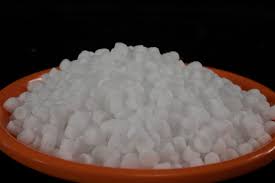
Abrasion resistance is a critical property in many applications, particularly where materials are subjected to friction, wear, and mechanical stress. Understanding the underlying science allows engineers and material scientists to formulate masterbatches that enhance the durability of polymers. Key factors influencing abrasion resistance include the structure of the polymer matrix, the nature and distribution of filler materials, and the interaction between components. By manipulating these factors, they can increase the material’s longevity, making it suitable for demanding environments and prolonging the lifecycle of various products.
- Mechanical Properties that Matter
Mechanical properties such as tensile strength, elongation at break, and hardness directly influence a polymer’s ability to resist abrasion. High tensile strength often correlates with improved durability, while optimal elongation at break ensures that materials can withstand deformation without cracking. Hardness plays a significant role as well; harder materials generally offer greater resistance to wear. These properties must be balanced to achieve optimal performance in applications ranging from automotive to consumer goods, ensuring that the final product can withstand harsh conditions without premature failure.
- Material Selection and Composition
Selecting the right materials and composition is paramount for achieving optimal abrasion resistance in masterbatches. Factors like polymer type, additive choice, and filler materials can significantly influence the end product’s performance. Engineers often select high-performance thermoplastics, such as polycarbonate or nylon, which inherently possess better abrasion resistance. Furthermore, common additives like glass fibers or specific elastomers can enhance overall durability when blended appropriately, creating a synergistic effect that boosts resilience and longevity in demanding applications.
Engineers often analyze the specific application requirements and environmental conditions to determine the best formulation. For instance, a masterbatch designed for outdoor use might include UV stabilizers and anti-oxidants along with abrasion-resistant fillers like carbon black or silica. In contrast, a solution for industrial machinery might prioritize high-temperature stability and chemical resistance. By considering these aspects thoroughly, engineers can design masterbatches that excel in durability and performance while also catering to unique application needs.
Applications Demanding Durability
Durability is paramount in various industries where materials withstand harsh conditions. For instance, construction components, automotive parts, and outdoor consumer goods benefit significantly from abrasion-resistant masterbatches. These masterbatches enhance the longevity and performance of products exposed to wear and tear, allowing manufacturers to reduce replacement costs and improve sustainability. Companies focusing on high-impact applications rely heavily on these advanced materials to ensure their products meet rigorous performance standards.
- Industries Leveraging Abrasion-Resistant Masterbatch
Numerous industries actively implement abrasion-resistant masterbatches to enhance their product durability. The automotive sector incorporates these materials in vehicle components such as bumpers and interior panels, while the construction industry uses them for concrete additives and protective coatings. Additionally, the sporting goods sector utilizes these masterbatches for high-performance equipment, ensuring they withstand extreme conditions and usage.
- Real-World Challenges Addressed
The incorporation of abrasion-resistant masterbatch addresses several real-world challenges posed by wear, tear, and environmental factors. Industries frequently encounter issues such as material degradation, increased maintenance costs, and product failures due to abrasion and impact. By integrating masterbatches, manufacturers can significantly reduce these risks, enhancing their products’ performance and lifespan.
In practice, a construction company utilizing abrasion-resistant masterbatch in their concrete formulations reports a 30% increase in durability compared to standard mixes, effectively decreasing repair needs in high-traffic areas. Similarly, an automotive manufacturer noted that vehicles equipped with components using these masterbatches experienced 25% fewer surface scratches and scuffs, leading to improved customer satisfaction and reduced warranty claims.
Innovations Driving Abrasion-Resistant Technologies
Manufacturers are increasingly focusing on innovative formulations that not only provide robust resistance to wear but also contribute to sustainability. These innovations lead to products that cater to various industries, from automotive to packaging, ensuring that they meet the rigorous demands of modern applications.
- Recent Breakthroughs in Polymer Formulations
Recent developments in polymer formulations have yielded new blends that incorporate advanced additives for increased durability. For instance, a new generation of high-performance polyolefins now incorporates specialized fillers and reinforcements that enhance their resistance to abrasion without compromising flexibility or clarity. These breakthrough materials are setting new benchmarks for performance across several demanding applications.
- The Role of Nanotechnology in Enhancing Resistance
Nanotechnology significantly enhances the abrasion resistance of polymers by embedding nanoparticles into the matrix, creating a stronger, more resilient composite. These nanoparticles, often made of materials like silica or carbon nanotubes, improve mechanical properties and increase surface hardness, providing an effective barrier against wear.
Specific examples highlight the effectiveness of this technique. For instance, researchers have demonstrated that incorporating only 1-2% of nanosilica into a polycarbonate can dramatically improve its scratch resistance, leading to longer-lasting products in applications such as eyewear and electronic devices. The incorporation of carbon nanotubes in polyethylene has shown to quadruple the wear resistance of the base polymer, illustrating nanotechnology’s potential to revolutionize abrasion-resistant materials. Integrating these advanced materials not only enhances durability but also aligns with industry goals for lightweight and energy-efficient designs in various sectors.
Navigating Production and Cost Considerations
Production and cost considerations are pivotal for companies seeking to integrate abrasion-resistant masterbatch into their operations. These factors influence the overall viability of the product, affecting timelines, resource allocation, and ultimately the bottom line. By evaluating the production methods, material availability, and the specific requirements of their applications, manufacturers can identify optimal pathways for successful implementation while managing costs effectively.
- Balancing Performance with Cost Efficiency
Finding the right balance between performance and cost efficiency can significantly impact the adoption of abrasion-resistant masterbatch. Companies often need to conduct thorough cost analyses, factoring in not only the price of raw materials but also the potential savings from reduced wear and tear on equipment and extended product life. An effective approach involves assessing the total cost of ownership rather than merely the upfront expenses, leading to choices that may provide longer-term economic benefits.
- Strategies for Incorporating Masterbatch into Existing Processes
Implementing abrasion-resistant masterbatch into existing production processes requires strategic planning and assessment of current workflows. You may begin by performing compatibility tests with current materials to ensure seamless integration. Careful evaluation of equipment settings and possible adjustments can also optimize performance. Engaging in pilot runs allows manufacturers to fine-tune parameters before full-scale production. Collaboration with suppliers for technical support can enhance knowledge transfer and improve optimal usage of the masterbatch.
Successful incorporation of masterbatch mandates a careful approach, beginning with an analysis of existing operations to pinpoint necessary adjustments for compatibility. Brandishing a collaborative mindset with suppliers enriches knowledge on best practices and potential modifications. Additionally, training staff on new materials and ensuring equipment is capable of handling new formulations enhances efficiency. Companies that experiment with small batch sizes during pilot runs can refine processing techniques without significant disruptions to the main production line, enabling smoother transitions to full implementation while mitigating risks and ensuring consistency in quality.
Looking Ahead: The Future of Abrasion-Resistant Materials
Emerging technologies and a growing focus on sustainability are set to drive the next wave of abrasion-resistant materials, enhancing their performance in demanding environments. Researchers are exploring the use of nanomaterials and advanced composites to improve wear resistance while maintaining flexibility. Furthermore, the integration of smart materials that respond to external stimuli is gaining momentum, enabling real-time monitoring of material integrity and performance.
- Emerging Trends in Polymer Science
New polymer formulations are being developed that incorporate bio-based additives for enhanced abrasion resistance. Innovations like 3D printing with specialized filaments are creating opportunities for customized solutions in various sectors, from aerospace to automotive. Additionally, collaborations between academia and industry are fueling breakthroughs in polymer applications, promising better outcomes for energy efficiency and product lifespan.
- Sustainability Concerns and Solutions
As industries pivot toward sustainable practices, the demand for eco-friendly abrasion-resistant materials is increasing. Companies are now prioritizing the use of recycled materials and bio-based polymers, which maintain performance without compromising environmental standards. Innovative recycling processes and biodegradable options are emerging as viable solutions to combat plastic waste challenges.
To address sustainability concerns, many manufacturers are investing in research aimed at developing recyclable materials that do not sacrifice durability. For instance, projects focused on creating polymers from renewable resources, such as plant-derived feedstocks, have gained traction. Additionally, lifecycle assessments are becoming standard practice in evaluating the environmental impact of abrasion-resistant materials, ensuring that they contribute positively to a circular economy.
Final Words
So, it is evident that abrasion-resistant masterbatch plays a significant role in enhancing the durability and performance of polymers for demanding applications. By integrating these toughening agents, manufacturers can create products capable of withstanding harsh environments and mechanical wear. You should consider the benefits of using abrasion-resistant masterbatch, as it not only extends the lifespan of materials but also improves their overall quality and reliability. They must recognize the importance of such innovations in driving advancements in various industries.