Table of Contents
You may be curious about graphene masterbatch, a cutting-edge material that integrates graphene into plastic compounds. They represent an innovative blend, enhancing the physical properties of plastics and opening new avenues for application across various industries. You will explore the unique properties of graphene, its versatile applications, and the myriad benefits it offers in improving material performance. This informative article aims to provide a comprehensive understanding of graphene masterbatch and its transformative impact on manufacturing and product development.
Unpacking the Composition of Graphene Masterbatch

Graphene masterbatch is primarily composed of graphene oxide or reduced graphene oxide (rGO) dispersed within a polymer matrix. This blend typically includes various plastic carriers, such as polyethylene or polypropylene, which provide the necessary compatibility and processability for future applications. The concentration of graphene in the masterbatch usually ranges from 1% to 10%, allowing for desirable properties without compromising the material’s overall functionality. The precise formulation can vary, depending on the target application and desired characteristics, leading to an array of customized products meeting specific market demands.
- The Role of Graphene in Polymer Composites
Graphene significantly enhances the mechanical, electrical, and thermal properties of polymer composites. By integrating graphene’s excellent strength and conductive characteristics, polymers can exhibit improved toughness, flexibility, and durability. Manufacturers benefit from reduced weight without sacrificing performance, making these composites suitable for applications in automotive, aerospace, and electronics. Additives based on graphene have demonstrated the potential to enhance barrier properties and anti-corrosion capabilities as well, leading to longer-lasting and more efficient products.
- Manufacturing Processes: From Raw Graphene to Masterbatch
Creating graphene masterbatch involves several critical manufacturing processes starting from raw graphene materials. Initially, the graphene is sourced through various methods, such as mechanical exfoliation or chemical reduction. Once acquired, the graphene powder undergoes dispersion techniques to uniformly integrate it into a liquid polymer carrier. Common methods include melt blending or solvent-based techniques, where temperature control ensures optimal viscosity. The final step typically involves granulation, ensuring the masterbatch is easy to handle and suitable for industrial applications.
In the manufacturing journey from raw graphene to masterbatch, the dispersion process plays a vital role in determining the performance characteristics of the final product. Techniques may utilize high-shear mixers or ultrasonic processes to achieve a homogeneous blend, preventing agglomeration of graphene particles. For example, shear mixing under controlled temperatures allows the polymer matrix to embed the graphene thoroughly, ensuring that the composite retains its advantageous properties throughout. Subsequently, granulation techniques create small, manageable pellets that can be easily integrated into various processing methods, such as injection molding or extrusion, ensuring versatility across applications.
Exceptional Properties of Graphene Masterbatch
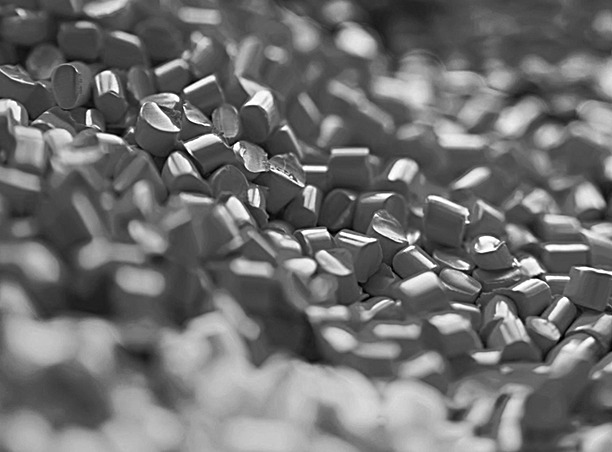
Graphene masterbatch showcases remarkable properties that significantly enhance the performance of polymer materials. Combining the benefits of graphene with various polymers results in improved mechanical properties, thermal stability, and electrical conductivity. This synergy allows manufacturers to produce materials that stand out not only for their performance but also for sustainability, making graphene masterbatch a sought-after solution in multiple industries.
- Mechanical Strength and Durability Enhancements
One of the key features of graphene masterbatch is its ability to reinforce materials, providing exceptional mechanical strength and durability. The incorporation of graphene enhances tensile strength, impact resistance, and overall toughness of polymer composites. For instance, studies have shown that adding just a small percentage of graphene can significantly elevate the tensile strength of plastics, leading to products that resist deformation and wear over time.
- Thermal and Electrical Conductivity Benefits
Graphene masterbatch offers substantial improvements in thermal and electrical conductivity, making it ideal for applications requiring efficient heat dissipation and electrical performance. The exceptional conductivity properties ensure that heat generated in electronic devices is effectively managed, thereby enhancing safety and performance. Additionally, industries such as automotive and electronics benefit from materials with improved conductivity properties, allowing for innovative designs and features.
The conductivity advantages of graphene masterbatch stem from graphene’s unique structure, which provides a high surface area that facilitates electron mobility. In applications where thermal management is critical, such as in LED lighting or advanced electronics, graphene masterbatch enhances heat transfer efficiency, potentially lowering energy consumption. This can lead to significant performance improvements and elongate the lifespan of devices, making it a forward-thinking choice for manufacturers looking to stay competitive.
Diverse Industrial Applications of Graphene Masterbatch
Graphene masterbatch has emerged as a game-changer across various industries. Its exceptional conductivity, strength, and lightweight characteristics make it an attractive solution for enhancing the performance of plastics, coatings, and composite materials. Companies are increasingly leveraging these benefits to develop innovative products that meet demanding industrial standards, while also promoting sustainability and cost-efficiency.
Revolutionizing the Plastics Industry
In the plastics industry, graphene masterbatch is transforming conventional materials into high-performance options. By integrating graphene, manufacturers achieve enhanced mechanical properties, reduced weight, and improved thermal stability. This innovation allows for the production of lighter and stronger plastic components that cater to the growing demand for efficiency in automotive, aerospace, and consumer goods sectors.
- Advancements in Coatings and Paints
Graphene masterbatch is also making significant strides in the coatings and paints sector. With its distinctive properties, it enhances the durability, adhesion, and chemical resistance of coating formulations. This results in coatings that not only offer superior protection but also add value through extended lifespans and reduced maintenance costs for end-users.
In coatings and paints, the introduction of graphene masterbatch can significantly enhance performance metrics. For instance, the incorporation of graphene leads to films that exhibit exceptional resistance to corrosion, abrasion, and UV damage. This is particularly advantageous in industries like construction and automotive, where long-lasting finishes are vital. A study showed that coatings containing graphene improved scratch resistance by 120% and reduced the likelihood of peeling or cracking, demonstrating the tangible benefits for manufacturers and users alike. Such advancements pave the way for more durable and effective products in a competitive market.
The Competitive Edge: Benefits of Using Graphene Masterbatch
Integrating graphene masterbatch into manufacturing processes affords a unique competitive edge. Companies like those in the automotive and packaging sectors have reported enhanced material strength while significantly reducing weight, resulting in both performance improvements and cost savings. Enhanced electrical and thermal conductivity opens avenues for innovative product designs, solidifying graphene’s place as a transformative additive in materials science.
- Cost-Effectiveness and Sustainability Considerations
Graphene masterbatch offers a compelling advantage in terms of cost-effectiveness. While the initial investment may appear higher, the long-term savings are substantial. Products enhanced with graphene tend to experience fewer failures and longer lifespans, reducing replacement costs and waste. Furthermore, the material’s strength allows for thinner and lighter designs, promoting a reduction in raw material usage and facilitating eco-friendly practices.
- Enhanced Product Performance and Lifespan
The incorporation of graphene masterbatch results in products that exhibit superior performance metrics. They demonstrate increased durability, improved impact resistance, and heightened thermal stability, all of which extend the lifespan of the final product. By increasing the resilience against environmental factors like UV light and moisture, graphene-enhanced materials maintain integrity and operational functionality over time, reducing the need for frequent replacements.
As industries strive for innovation while also adhering to stricter environmental regulations, graphene masterbatch stands out as an excellent solution to balance performance and sustainability. For instance, automotive components reinforced with graphene showcase remarkable toughness without excessive weight, improving fuel efficiency and lowering carbon footprints. Research has shown that such materials can outperform traditional alternatives by up to 40%, showcasing the immense potential of graphene to alter product lifespan positively while meeting modern-day efficiency standards.
Future Trends and Innovations in Graphene Masterbatch Technology
Advancements in graphene masterbatch technologies are on the horizon, driven by the demand for high-performance materials across industries. Innovations might focus on optimizing production techniques, enhancing dispersion methods, and reducing costs. As researchers work to unlock the full potential of graphene, novel applications, such as smart materials and eco-friendly composites, are anticipated to emerge, further broadening the scope of this material’s functionality.
- Emerging Research and Development Perspectives
Emerging research emphasizes the potential of integrating graphene masterbatch with various polymers to develop multifunctional materials. Researchers are exploring the synergy between graphene and biopolymers, aiming to create sustainable options that still deliver high performance. Collaborations between academic institutions and industry stakeholders are likely to accelerate breakthroughs in this area, leading to innovative applications in electronics, automotive, and packaging industries.
- Predictions for Market Growth and Adoption Rates
The market for graphene masterbatch is projected to experience significant growth over the next decade. Analysts predict that by 2030, the global market could surpass $1 billion, driven by increasing demand for lightweight, high-strength materials in automotive and consumer electronics. Adoption rates are expected to rise sharply as more industries recognize the advantages of graphene-enhanced products, leading to the establishment of standardization in applications.
As consumer awareness and regulatory support for sustainable materials grow, a strong shift toward adopting graphene masterbatch in mainstream production is likely. The automotive industry, in particular, is forecasted to lead this charge, seeking lightweight solutions to improve fuel efficiency and reduce emissions. Moreover, advancements in production scalability and cost-effective methods should play a vital role in accelerating this trend, allowing businesses to invest confidently in graphene technologies. Such developments will not only enhance product performance but also promote a more sustainable future across various sectors.
Final Words
Now that they have explored the properties, applications, and benefits of graphene masterbatch, it is clear that this innovative material offers significant advantages for various industries. Its exceptional strength, thermal conductivity, and flexibility make it a valuable addition to plastics, enhancing performance while promoting sustainability. As manufacturers increasingly adopt graphene masterbatch, they pave the way for advanced materials that can meet evolving market demands and environmental challenges, highlighting the transformative potential of this remarkable substance.