Table of Contents
As manufacturers and inventors investigate masterbatch’s potential for eco-friendly solutions, it plays a vital part in the development of sustainable food packaging. Draws attention to the move toward compostable and bio-based masterbatches, which improve container appearance while also lowering plastic waste. Highlights how important it is to use technology to develop high-performance materials that support sustainability objectives. They anticipate that Masterbatch will take the lead in converting the food packaging sector into a more sustainable one as laws become more stringent and customer demand for environmentally friendly goods rises.
Transforming Food Packaging: The Role of Masterbatch
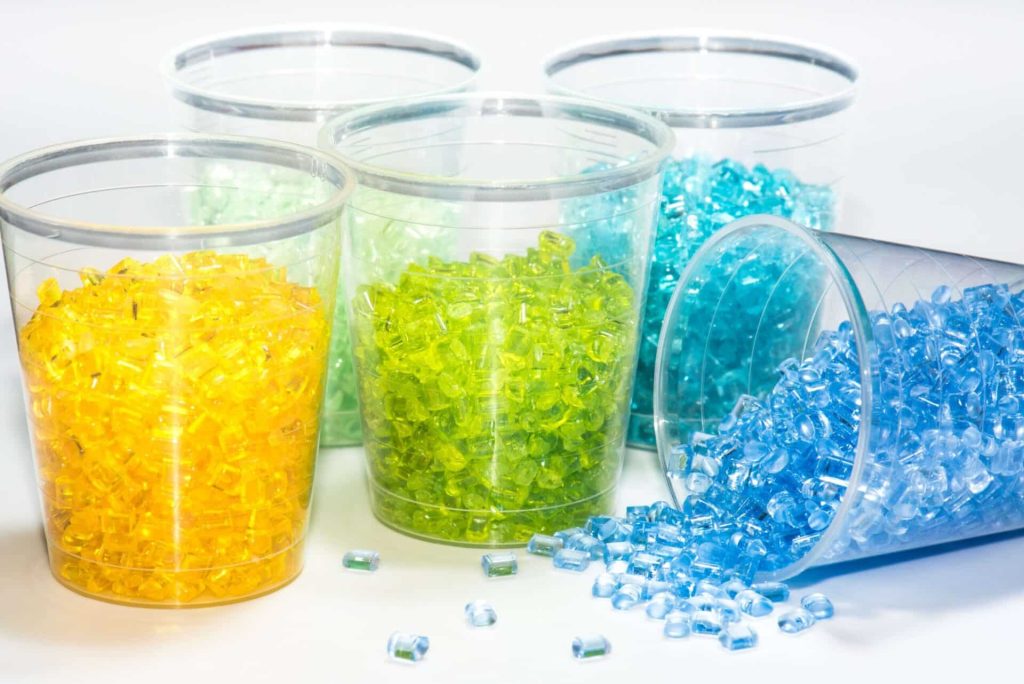
Masterbatch stands at the forefront of innovation in food packaging, leading the charge towards sustainable solutions. By incorporating various additives into the polymer matrix, masterbatch enhances the functionality, aesthetics, and recyclability of food packaging materials. This transformation is not just about replacing conventional materials; it’s about creating packaging that aligns with environmental goals while ensuring product safety and shelf life.
- Defining Masterbatch in the Context of Packaging
Masterbatch is a concentrated mixture of pigments and additives that are uniformly dispersed into a carrier polymer. In food packaging, it plays a pivotal role in imparting specific characteristics such as color, UV protection, and barrier properties to the plastic materials. This ensures that packaging not only appeals visually but also enhances the food’s shelf life and safety.
- Historical Evolution of Masterbatch Usage in Food Packaging
The use of masterbatch in food packaging has evolved significantly since its inception. Initially employed for simple colorization in the 1960s, advancements in chemical technology have enabled the development of multifunctional masterbatches that address stricter regulatory standards and consumer demands for sustainability. This journey encapsulates the transition from purely aesthetic enhancements to the integration of functional additives aimed at improving barrier properties and promoting biodegradable materials.
In the early days of polymer use, masterbatch focused solely on adding color and appeal to packaging. Based on research, by the 1980s, manufacturers began incorporating additives that improved durability and resistance to environmental factors, responding to consumer needs for longer-lasting products. The 2000s marked a pivotal shift towards sustainability, with innovations including biodegradable and compostable masterbatches gaining traction. This evolution mirrors growing consumer awareness and regulatory pressures, transforming masterbatch into a vital component of food packaging that now prioritizes environmental responsibility alongside performance.
Sustainability at the Core: Innovations in Masterbatch Development

Innovators in the masterbatch industry prioritize sustainability as they develop new solutions for food packaging applications. These advancements include incorporating renewable resources, enhancing recyclability, and reducing carbon footprints. As demand for eco-friendly options continues to rise, manufacturers are exploring alternative raw materials and improved production methods that reduce energy consumption while retaining high-performance standards. Efforts to harmonize environmental responsibility with functional requirements define the evolving landscape of masterbatch development.
- Biodegradable and Compostable Masterbatch Solutions
The emergence of biodegradable and compostable masterbatch solutions is transforming the packaging landscape. These innovative materials are designed to break down more naturally after disposal, minimizing the long-term impact on landfills and the environment. Often derived from plant-based resources, they not only ensure product safety but also align with the increasing consumer demand for sustainable options. Current examples include starch-based and polylactic acid (PLA) masterbatches that offer a sustainable alternative for various packaging applications.
- Performance Enhancements: Balancing Functionality with Sustainability
Performance enhancements in masterbatch development are imperative for meeting the rigorous demands of modern food packaging. Manufacturers strive to create formulations that do not compromise on imperative properties such as strength, barrier performance, and printability while ensuring that sustainability is prioritized. Their efforts yield masterbatch solutions that exhibit excellent physical characteristics, like superior tensile strength and heat resistance, alongside notable eco-friendly traits.
The focus on performance enhancements involves incorporating additives that not only improve the functionality of packaging but also promote biodegradability or recyclability. For instance, new technologies allow masterbatch producers to incorporate natural fibers or bio-based polymers to bolster tensile strength without sacrificing environmental integrity. Some brands have integrated functional additives, including anti-microbial agents, that enhance the shelf-life of food products while ensuring the packaging remains compostable.
Economic Implications: The Cost-Benefit Analysis of Sustainable Masterbatch

Analyzing the economic implications of sustainable masterbatch reveals a complex landscape where short-term investments are balanced with long-term benefits. Masterbatch producers increasingly embrace eco-friendly formulations, which can have higher initial costs. However, they often generate significant savings over time through reduced waste, compliance with regulations, and enhanced brand loyalty as consumers become more environmentally conscious.
- Short-Term Costs vs. Long-Term Savings
Short-term costs associated with sustainable masterbatch can deter some manufacturers from making the switch. However, the prospects of long-term savings associated with reduced disposal fees, energy-efficiency improvements, and attracting a loyal customer base can outweigh these initial expenses. As production processes become more efficient, the return on investment gradually manifests through lower operational costs and sustainable supply chain protocols.
- Market Drivers for Sustainable Innovations in Packaging
Market drivers significantly influence the shift towards sustainable innovations in packaging. Increased consumer awareness of environmental issues, stringent regulations, and a growing trend towards circular economy practices are compelling businesses to adopt sustainable masterbatch solutions. Industry leaders are recognizing that sustainability not only responds to consumer demands but also opens doors to new market opportunities.
From major retailers implementing eco-labeling initiatives to bioplastics becoming an industry standard, data-driven insights highlight a clear trajectory towards sustainability. Peer-reviewed research indicates that companies prioritizing sustainable practices see an average revenue growth of 6% compared to those that do not. Additionally, brands with a strong sustainability message often outperform competitors, yielding higher profit margins and improved customer satisfaction ratings.
Regulatory Landscape and Consumer Expectations: The Push for Change
Regulations pertaining to plastics are changing, which indicates a major change in favor of sustainability as consumers and governments call for ecologically friendly behavior. In an effort to decrease plastic waste and encourage the use of recyclables, regulatory agencies are enforcing stricter regulations. This change puts pressure on manufacturers to modify their operations in order to meet evolving consumer demands for environmentally friendly products as well as to remain compliant.
- Emerging Legislation on Plastic Use and Recycling
Numerous countries are enacting legislation that bans single-use plastics, encourages recycling, and mandates improved packaging sustainability. For instance, the European Union’s Single-Use Plastics Directive has set clear targets for reducing plastic waste across member states. This includes specific measures for food packaging, promoting alternatives that hold minimal environmental impact.
- Consumer Awareness and Demand for Sustainable Practices
Increasing consumer awareness about environmental concerns drives demand for sustainable food packaging solutions. Studies indicate that 74% of consumers prioritize products with minimal environmental impact, pushing brands to reconsider their packaging strategies. Millennials and Gen Z, particularly, show a willingness to pay more for sustainable products, highlighting the urgent need for businesses to innovate their practices in order to meet these expectations.
The rise in consumer education about packaging waste and its implications on climate change fosters an environment where brands must respond rapidly. Transparency in sourcing materials and commitment to sustainability can significantly enhance brand loyalty. For example, companies implementing biodegradable masterbatches in their food packaging not only reduce their carbon footprint but also build trust with eco-conscious consumers. As expectations evolve, brands that embrace this shift towards sustainability are likely to thrive in this competitive market.
Pioneering Companies: Leading the Charge in Sustainable Masterbatch
Innovative companies are stepping up as leaders in the sustainable masterbatch sector, marking significant strides toward eco-friendly packaging solutions. These pioneers are employing cutting-edge technologies to create masterbatches from renewable resources and post-consumer recycled materials, enabling the production of biodegradable and compostable plastics. Their commitment not only aids in reducing plastic waste but also aligns with global sustainability goals, driving positive environmental impact across industries.
- Profiles of Innovators in the Masterbatch Sector
Among the trailblazers in sustainable masterbatch production, companies like Clariant, Avient, and BASF have established themselves by integrating sustainable practices into their operations. Clariant, for instance, has developed masterbatches that utilize bio-based feedstocks, while Avient focuses on offering a range of sustainable solutions that minimize environmental impact. These innovators consistently push for advancements, setting a high standard in the industry.
- Collaborations and Partnerships for Sustainable Packaging Solutions
Strategic collaborations are reshaping the landscape of sustainable masterbatch technology. Key players are partnering with organizations, universities, and environmental groups to develop innovative and impactful solutions. Such alliances facilitate knowledge sharing and accelerate advancements, creating a robust ecosystem that fosters sustainable practices in food packaging.
Through collaborations, companies are harnessing diverse expertise to tackle sustainability challenges in the masterbatch sector. For instance, BASF collaborates with various stakeholders to integrate bio-based materials into their masterbatched offerings, while Avient partners with academic institutions for research on biodegradable additives. These partnerships not only enhance innovation but also amplify the positive environmental impact, exemplifying how collective efforts can transform the packaging landscape.
Conclusion
Experts in the field now forecast that masterbatch’s sustainable food packaging will become more inventive in the future as they concentrate on creating eco-friendly materials. The performance of packaging will be improved while the environmental impact is decreased thanks to developments in bioplastics and additives. Manufacturers can satisfy customer needs for environmentally friendly products by incorporating sustainable methods into masterbatch production, thereby securing their place in the changing market. In the end, packaging standards will be redefined by the dedication to sustainability, which will benefit both consumers and businesses.