Table of Contents
For rubber and plastics to remain intact in a variety of applications, protection from ozone damage is essential. Ozone may cause certain materials to deteriorate over time, resulting in cracks and decreased functionality. To increase the durability of rubber and plastic products, people have created anti-ozonant masterbatches. Manufacturers may increase the lifespan of their goods and guarantee peak performance in difficult situations by implementing these masterbatches. Comprehending the importance of anti-ozonant masterbatches enables materials industry stakeholders to make well-informed choices for increased product longevity.
The Ozone Challenge: Unseen But Pervasive Threats

Ozone presents a significant yet often overlooked challenge in various industries. This colorless gas, prevalent in higher altitudes, can interact with everyday materials without any visible indication of damage. Over time, prolonged exposure leads to degradation of rubber and plastics, impacting their structural integrity and performance. Industries reliant on flexible, durable materials must acknowledge the looming threat posed by ozone and proactively seek solutions to mitigate its effects.
- Understanding Ozone Damage Mechanisms
The mechanisms of ozone damage involve the breakdown of polymer chains within rubber and plastic materials. When ozone penetrates these materials, it induces oxidative reactions that lead to the formation of free radicals. These free radicals further accelerate the degradation process, resulting in cracking, loss of elasticity, and eventually, failure of the material. Over time, these subtle changes can significantly compromise product performance and safety.
- Industries Most Affected by Ozone Stress
Several industries face heightened vulnerability to ozone stress, particularly those using rubber and plastic components in their operations. Automotive, aerospace, and agricultural sectors are top among these. Vehicle tires, seals, and hoses are especially susceptible, while agricultural equipment often encounters environmental conditions that exacerbate ozone exposure. Understanding the extent of ozone’s impact is critical for implementing effective protective measures.
The automotive industry is particularly notable for its extensive use of rubber components that are in constant contact with the environment. Tires endure daily exposure to ozone, leading to significant degradation and safety issues if not adequately protected. Furthermore, the aerospace sector relies on rubber seals and gaskets that must withstand various atmospheric conditions, facing the risk of ozone-related deterioration. In agriculture, machinery, and equipment exposed to high levels of ozone can lead to decreased operational efficiency and increased maintenance costs.
Anti-Ozonant Masterbatches: The Game-Changer
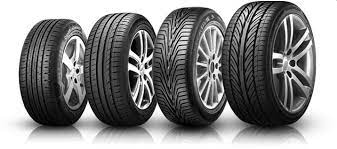
Utilizing anti-ozonant masterbatches represents a significant advancement in the protection of rubber and plastics against ozone degradation. These compounds enhance the longevity and durability of materials exposed to harsh environmental conditions, making them a vital component in myriad industrial applications. The integration of these masterbatches within product formulations ensures consistent protection, allowing manufacturers to achieve better performance and reliability in their products.
- Composition and Functionality of Anti-Ozonant Masterbatches
The composition of anti-ozonant masterbatches typically includes polymers combined with specific antioxidants and stabilizers to provide effective ozonation resistance. These formulations harness the synergy of various chemical components that inhibit ozone’s destructive effects, thus preserving the mechanical properties and appearance of the materials. By optimizing the balance of these ingredients, manufacturers can tailor the performance profiles to suit specific applications while maintaining cost-effectiveness.
- Different Types of Anti-Ozonants and Their Specific Roles
Various types of anti-ozonants exist, each designed to tackle specific forms of ozone-induced damage. For instance, the categories can include waxes, amines, or polymeric compounds that respond differently based on environmental exposure and material type. It is vital for formulators to select the appropriate anti-ozonant tailored to the specific needs of their application. Below is a table summarizing common anti-ozonants and their specific roles:
| Type | Role |
| Waxes | Surface protection and moisture barrier |
| Amines | Effective oxygen scavengers |
| Polymeric Compounds | Long-lasting durability enhancement |
| Dispersants | Even distribution within the matrix |
| Ultraviolet Absorbers | Adding UV protection in tandem with ozone resistance |
These anti-ozonants serve unique functions that contribute to the overall resistance of materials to ozone, which is vital for industries ranging from automotive to construction. Waxes provide a protective shield, while amines neutralize harmful reactive species. Polymeric compounds enhance the material’s longevity, and dispersants ensure uniform application and effectiveness. Adding UV absorbers complements ozone resistance, offering a comprehensive solution for environmental durability. Perceiving the attributes of these agents enables manufacturers to engineer products that withstand the test of time.
- Formulators must conduct thorough testing to evaluate the effectiveness of chosen anti-ozonants.
- Compatibility with the base material is critical for effective incorporation.
- The correct dosage of anti-ozonants can significantly impact performance ratios.
- Market demand may drive innovations in anti-ozonant formulations for higher efficiency.
- Perceiving the characteristics of each anti-ozonant helps in optimizing masterbatch formulations.
Practical Applications: Ensuring Longevity in Rubber and Plastics
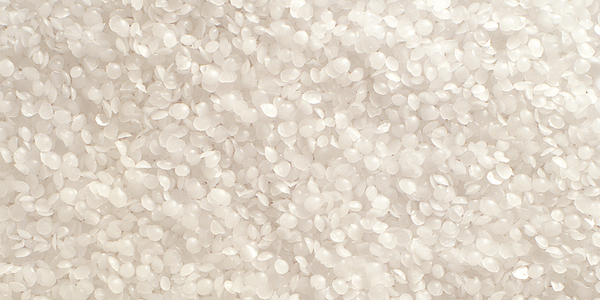
Implementing anti-ozonant masterbatch in rubber and plastic formulations significantly enhances the longevity and durability of these materials. Industries ranging from automotive to consumer goods benefit from incorporating these additives into their products, as they provide a protective barrier against ozone exposure. This not only prolongs the life of rubber seals and gaskets but also maintains the integrity of plastic components, ensuring they remain functional and aesthetically pleasing over time.
- Case Examples of Successful Implementation
Numerous manufacturers have reported significant improvements in product longevity after integrating anti-ozonant masterbatches in their formulations. For instance, rubber components in the automotive sector have shown a 30% reduction in ozone-related degradation, leading to fewer warranty claims and increased customer satisfaction. Furthermore, a leading tire manufacturer cited that their new line of ozone-resistant tires has outperformed conventional options, showcasing reduced wear and tear under harsh environmental conditions.
- Tailoring Anti-Ozonant Solutions for Diverse Materials
Developing tailored anti-ozonant solutions allows manufacturers to address the specific needs of various rubber and plastic materials. By analyzing factors such as formulation composition and intended application, they can customize masterbatches to enhance ozone resistance effectively. Such tailored approaches ensure optimized performance in diverse settings, whether it be in extreme temperatures or in contact with other chemicals.
Tailoring anti-ozonant solutions involves a systematic evaluation of each material’s unique composition and performance requirements. For instance, natural rubber may require different additives than synthetic blends to achieve maximum efficacy against ozone. By conducting thorough compatibility studies and durability tests, formulators can select the appropriate anti-ozonant agents and concentrations, leading to optimal outcomes.
Economic Impact: Balancing Cost with Durability
The integration of anti-ozonant masterbatch into manufacturing processes poses a distinct economic consideration. Businesses must evaluate upfront costs against the potential long-term durability and performance benefits these additives deliver. By prioritizing the right masterbatch formulations, companies can enhance product longevity, ultimately leading to reduced maintenance costs and improved customer satisfaction.
- Long-Term Savings Through Strategic Use of Masterbatches
Investing in anti-ozonant masterbatches can yield significant long-term savings by minimizing the frequency of replacements and repairs. The enhanced durability of products leads to fewer failures under ozone exposure, resulting in lower total lifecycle costs that often offset the initial investment. Over time, this strategic use translates into measurable improvements in profitability.
- Comparing Investment Costs Versus Risk Mitigation
Evaluating the costs associated with anti-ozonant masterbatches involves a close examination of investment versus potential risk mitigation. While initial expenses might appear steep, they pale in comparison to the potential costs associated with product failure, brand damage, and market share loss. A thorough risk assessment will highlight the financial prudence of adopting these additives.
Investment Costs Versus Risk Mitigation
| Investment Costs | Risk Mitigation Benefits |
|---|---|
| Higher initial expense for masterbatch formulations | Reduced potential for product failures and recalls |
| Longer production cycles if formulations aren’t optimized | Stronger brand reputation for quality and reliability |
| Costs associated with research and development | Increased customer loyalty through durable products |
The financial evaluation surrounding anti-ozonant masterbatches emphasizes that upfront investments should be weighed against the substantial risks of product failure. Businesses often face significant costs from recalls or consumer dissatisfaction resulting from material degradation, dwarfing the initial investment for optimizing formulations with masterbatches. This balance becomes critical as companies aim not only to safeguard their bottom line but also to preserve their brand integrity and market position.
Future Innovations: What’s Next for Anti-Ozonant Technology?
With continuous advancements targeted at improving the functionality and environmental friendliness of these vital elements, the future of anti-ozonant technology seems bright. More potent formulations with longer-lasting defense against ozone damage are expected to be produced thanks to developments in nanotechnology and bio-based chemicals. As producers look to increase product sustainability while guaranteeing durability in harsh environments, this trend is essential. These developments will be fueled by cooperation between producers, material scientists, and researchers, with an emphasis on tailored solutions for particular uses.
- Emerging Trends and Research Directions
Research in anti-ozonant technology reflects a growing interest in high-performance antioxidants derived from natural sources. As scientists explore eco-friendly alternatives to traditional synthetic compounds, trends indicate a shift toward materials that not only protect rubber and plastics from ozone degradation but also align with sustainability goals. Enhanced understanding of polymer chemistry is paving the way for tailored solutions that optimize rubber longevity while minimizing ecological impact.
- Anticipating Market Needs and Environmental Considerations
Recognizing market demands requires manufacturers to adapt to increasingly stringent environmental regulations and consumer preferences for sustainable products. With global awareness surrounding climate change and pollution, companies are pivoting towards developing anti-ozonants that are not only effective but also biodegradable or less harmful to the ecosystem. This shift will not only satisfy regulatory standards but will also attract environmentally-conscious consumers who prioritize sustainability in their purchasing decisions.
Organizations are proactively engaging with stakeholders to understand their values and expectations surrounding sustainability initiatives. By investing in research and adopting practices that reduce environmental footprints, they aim to position themselves competitively in a market that is rapidly evolving. Notably, improved formulations that leverage renewable resources would not only fulfill regulatory compliance but enhance brand reputation and foster consumer loyalty.
Summing up
Now, it becomes evident that Anti-Ozonant Masterbatch plays a pivotal role in enhancing the longevity and performance of rubber and plastics. They offer important protection against ozone damage, which can lead to degradation and reduced product lifespan. By incorporating these masterbatches, manufacturers can ensure that their materials withstand the harsh environmental effects of ozone exposure. Thus, you should consider using Anti-Ozonant Masterbatch as a standard practice in the production of durable and reliable rubber and plastic products.