Table of Contents
Anti-Tack Masterbatch is essential for addressing the prevalent problem of stickiness in polymer processing, as the name implies. Anti-Tack Agents Market size was valued at USD 9.18 Billion in 2024 and is projected to reach USD 10.97 Billion by 2032, growing at a CAGR of 2.25% from 2026 to 2032. Those who work with polymers are aware that stickiness can reduce the quality of the final product and production efficiency. By decreasing surface adhesion, this specialty additive improves polymer flow and processing, which in turn improves processing as a whole. The advantages, uses, and efficacy of Anti-Tack Masterbatch in diverse polymer sectors will be examined in this blog post, guaranteeing a better comprehension of its function in boosting output and maintaining product integrity.
The Science Behind Anti-Tack Masterbatches
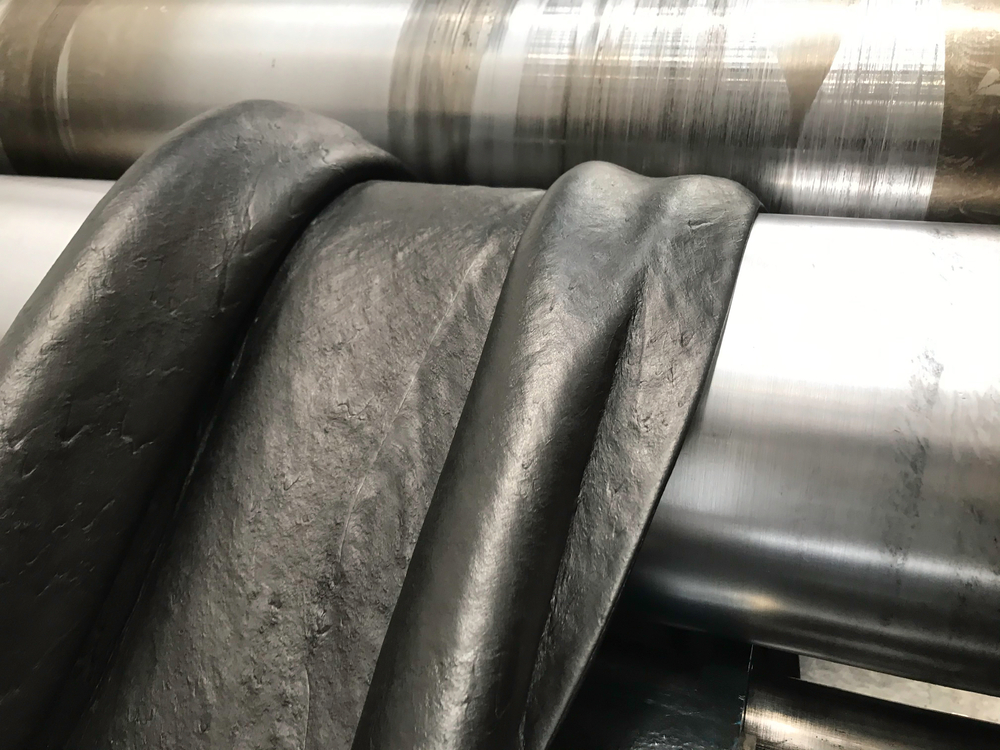
Anti-tack masterbatches operate on the principles of polymer chemistry and surface interactions, effectively minimizing adhesion among polymer particles during processing. These specialized compounds, through their unique formulations, create a non-stick environment that enhances flow and reduces equipment wear during manufacturing. Understanding their science allows manufacturers to optimize processing conditions and improve the final product’s quality.
- The Role of Tackiness in Polymer Processing
Tackiness in polymers can lead to significant issues, such as clumping or blocking during production and downstream application. This phenomenon typically occurs due to excessive intermolecular forces among polymer chains, creating challenges in handling and processing. Addressing these issues becomes vital for efficiency and quality in production runs.
- Chemical Composition of Anti-Tack Masterbatches
The effectiveness of anti-tack masterbatches largely stems from their chemical composition, which may include a blend of polymers, waxes, and additives. The selection of these components directly influences the performance and compatibility with the base polymer. For instance, the incorporation of high molecular weight polyethylene or certain ester-based compounds can significantly enhance the anti-tack properties by modifying surface energy and promoting smoother flow characteristics.
In-depth knowledge of chemical formulations reveals that some anti-tack masterbatches use waxes with varying melting points, ensuring optimal performance in diverse processing temperatures. For instance, including a blend of low-density polyethylene (LDPE) and paraffin wax significantly reduces adhesion during extrusion processes. Additionally, surfactants that modify the surface tension can optimize the dispersion and distribution of these masterbatches within the host polymer matrix. Consequently, a tailored approach to incorporating specific additives results in superior processing efficiency, minimizing downtime and enhancing the quality of the final polymer products.
The Strategic Functionality of Anti-Tack Agents
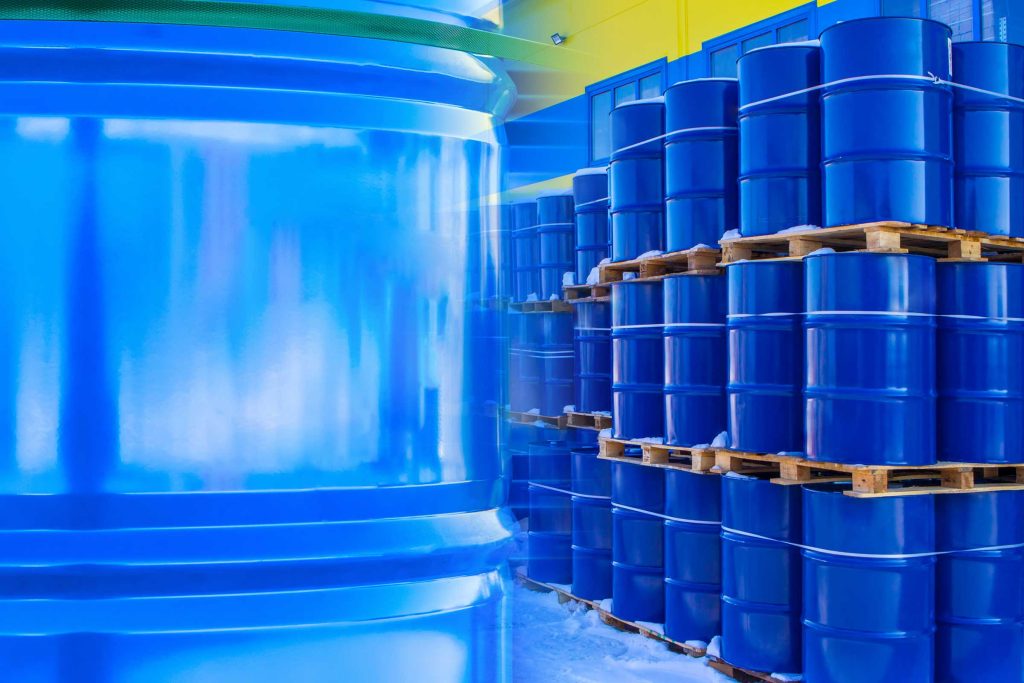
Anti-tack agents play a vital role in enhancing the performance of polymer processing by minimizing the adhesion between finished products. These agents ensure that polymer surfaces remain distinct and do not fuse together during production, retention, or shipment—thus maintaining their intended structural and functional integrity. Through their incorporation, manufacturers can achieve smoother operations and improve overall product quality while minimizing defects attributed to stickiness.
- Mechanisms of Action in Polymer Mixtures
Anti-tack agents function by modifying the surface properties of polymers, reducing intermolecular forces that contribute to adhesion. They often contain additives that migrate to the surface, creating a lubricating film that disrupts the contact between polymer particles. This action allows for easier processing and handling of materials, ensuring that end-products do not cling to machinery or each other. As a result, overall polymer integrity is preserved without compromising the desired functionality.
- Impact on Manufacturing Efficiency
Efficiently integrating anti-tack agents into the manufacturing process eliminates bottlenecks caused by product adhesion. This leads to reduced downtime and increased throughput, enhancing the profitability of polymer production. Manufacturers have reported efficiency gains upwards of 30% when utilizing these agents in critical applications such as film production, where layer separation is imperative for effective processing.
The integration of anti-tack agents significantly streamlines manufacturing operations, transforming what could be a cumbersome process into a smoother workflow. For instance, in the case of a leading film production plant, the adoption of anti-tack masterbatches reduced equipment cleaning times drastically, allowing for more continuous production runs. Furthermore, these agents also lead to lower overall material loss as the need for excessive handling is diminished. Ultimately, the inclusion of anti-tack masterbatches proves to be a strategic enhancement for manufacturers aiming for optimized efficiency and productivity.
Comparing Market Solutions: Efficacy and Cost
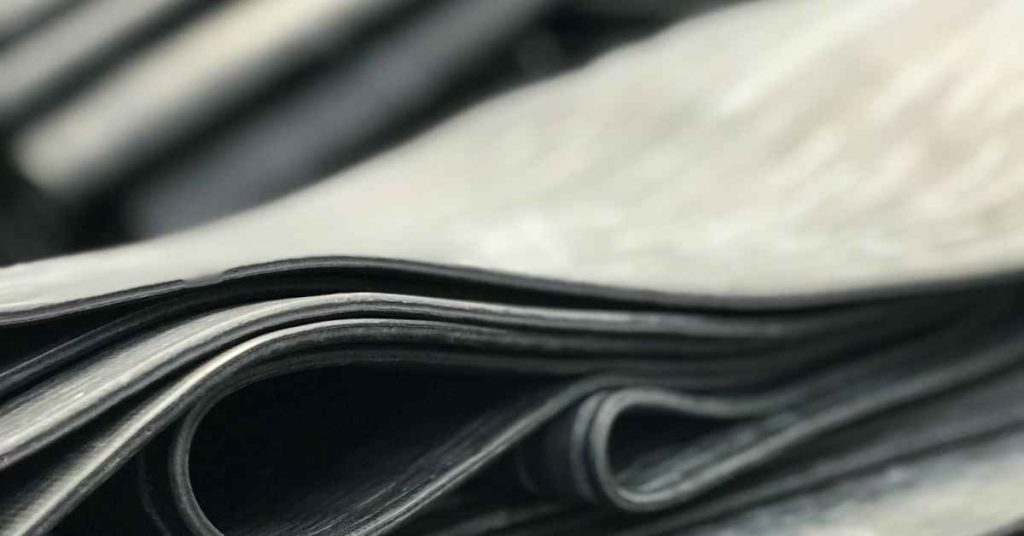
| Market Solution | Efficacy & Cost |
|---|---|
| Solution A | High Efficacy – Moderate Cost |
| Solution B | Moderate Efficacy – Low Cost |
| Solution C | High Efficacy – High Cost |
- Evaluating Performance Metrics
Examining performance metrics reveals that anti-tack masterbatches can greatly influence production efficiency and product quality. Metrics such as stickiness reduction percentage and processing cycle time are critical. People found that Solution A, for instance, reduces tack by up to 80%, outperforming competitors and justifying its higher price point. This lends credibility to manufacturers who prioritize efficiency and product integrity in their processes.
- Analyzing Total Cost of Ownership
Understanding total cost of ownership (TCO) extends beyond the purchase price into long-term performance and operational impacts. She identified that while Solution C is the most expensive initially, its efficiency in reducing downtime and waste could result in lower TCO compared to cheaper options. Note that both operational costs and replacement frequencies play significant roles in overall financial considerations.
Analyzing total cost of ownership involves evaluating not just the sticker price but also how each solution affects overall operational efficiency and material waste reduction. Companies that reported using Solution A experienced significant decreases in downtime, directly correlating to higher productivity levels on the floor. Integrating a high-efficacy solution can provide long-term savings that far outweigh initial expenditures, making it a wise investment despite higher upfront costs. Calculating TCO helps manufacturers make informed decisions that align with their operational goals while balancing quality and cost.
Practical Applications Across Industries
Anti-tack masterbatches have found widespread use across diverse industries, enhancing processing efficiency and product quality. From rubber manufacturing to plastic extrusion, these masterbatches enable manufacturers to achieve optimal throughput while maintaining product integrity. Industries such as automotive, packaging, and consumer goods benefit significantly from the reduction of tackiness, leading to improved production rates and ultimately, cost savings.
- Use Cases in Plastics and Rubber Industries
In the plastics and rubber sectors, anti-tack masterbatches are employed to improve the handling of materials during processing. For instance, in tire production, the incorporation of these additives allows for smoother operations in calendering and molding processes, thereby preventing blockages and reducing downtime. Similarly, in plastic film applications, the effective reduction of adhesion between layers ensures consistency and better-quality finished products.
- Expanding Applications in Novel Materials
The exploration of anti-tack masterbatches has extended into novel materials, fostering innovation in polymer blends and composites. Industries focused on sustainability have begun incorporating these masterbatches into bio-based and recycled materials to improve their processing characteristics. For example, using anti-tack additives in biodegradable plastics has demonstrated enhancements in extrusion efficiency and surface properties, making these environmentally friendly options more viable for mass production.
As the demand for alternative materials continues to rise, the versatility of anti-tack masterbatches will play a decisive role in their development. Researchers and manufacturers are experimenting with bio-composites that integrate natural fibers alongside anti-tack additives, yielding improved mechanical properties and processing behaviors. These advancements not only promote sustainability but also open new avenues for applications in consumer products, electronics, and even medical devices. The adaptability of anti-tack masterbatches to various materials reinforces their value in contemporary and future manufacturing landscapes.
Future Innovations: Trends and Research Directions
Anticipated advancements in anti-tack masterbatches emphasize the integration of novel, high-performance additives tailored for specific polymer applications. Researchers are exploring bio-based alternatives and multifunctional compounds, which can not only prevent stickiness but also impart other desirable properties such as improved barrier functionality and enhanced thermal stability. The evolution of smart materials that react to environmental changes demonstrates promising avenues for effective anti-tack solutions in the near future.
- Emerging Technologies and Formulations
Innovations in nanotechnology and surface modification techniques play a significant role in the development of next-generation anti-tack masterbatches. These advancements lead to formulations that incorporate nanoparticles, enhancing performance characteristics while maintaining compatibility with various polymer matrices. Exploring new polymer blends and hybrid systems may also yield enhanced anti-tack properties that cater to niche market demands.
- Sustainability Considerations in Anti-Tack Development
The push for environmentally friendly manufacturing processes influences the creation of sustainable anti-tack solutions. Manufacturers focus on utilizing renewable resources, biodegradable components, and optimizing formulations to reduce waste during production. This ensures that the function of anti-tack masterbatches aligns with market demands for eco-conscious products while still maintaining high performance standards.
Implementing sustainability in anti-tack development often involves scrutinizing the entire lifecycle of masterbatches, from sourcing raw materials to their end-of-life applications. For instance, bio-based additives derived from agricultural waste offer a dual benefit of reducing reliance on fossil fuels while promoting circular economy principles. Collaborations with research institutions are frequent, as they explore innovative ways to improve the environmental footprint of existing technologies, such as developing water-based and low-VOC alternatives that can meet rigorous eco-label standards without compromising performance.
To wrap up
Following this discussion on Anti-Tack Masterbatch, it becomes evident that this innovative solution significantly improves polymer processing by directly addressing stickiness issues. They provide a smoother workflow and enhance product quality, making them an imperative component in various manufacturing processes. In the industry can benefit from understanding the applications and advantages of Anti-Tack Masterbatch, ultimately leading to enhanced efficiency and performance in their operations. As polymer technology advances, integrating such masterbatches will play a pivotal role in optimizing the production standards within the sector.